What if you could deploy a fully functional hydrogen fueling site in weeks instead of years? For fleet operators, ports, and industrial sites exploring zero-emission alternatives, the biggest barrier is rarely the vehicles. It is the infrastructure. A skid mounted hydrogen refueling station solves that problem by packaging compression, storage, and dispensing into a pre-engineered, transportable system that arrives ready for installation.
If your organization is evaluating hydrogen fueling infrastructure, you already know the stakes. Pressure is mounting to decarbonize heavy transport. Site expansion budgets are tight. And permanent fueling installations can take 18 to 36 months from planning to commissioning.
Modular hydrogen fueling stations change that timeline. In this guide, you will learn what skid mounted hydrogen refueling stations include, where they perform best, how to meet safety and compliance requirements, and what to consider before buying one.
At Shandong Shengrui Intelligent Equipment Co., Ltd., we engineer modular and skid-mounted fueling systems for complex energy projects worldwide. Our team combines experience in gas station equipment, explosion-proof design, and prefabricated structures to help buyers make confident infrastructure decisions.
Want to see how modular fueling systems reduce? Explore our skid mounted gas station solutions for a closer look at prefabricated fueling infrastructure.
What Is a Skid Mounted Hydrogen Refueling Station?

A skid mounted hydrogen refueling station is a self-contained fueling unit built on a structural steel frame, or skid. Some designs are enclosed within a standard shipping container, making the system a containerized hydrogen station as well. The skid holds all major components in place during transport and provides the foundation for final installation. Unlike permanent stations built from scratch on site, these systems are pre-assembled in a controlled factory environment, tested before shipment, and delivered as a single package.
If you are new to modular fueling concepts, our skid mounted gas station solutions guide explains the same rapid-deployment principles for conventional and alternative fuels.
Typical components include:
- A hydrogen compressor or booster to pressurize gas for vehicle fueling
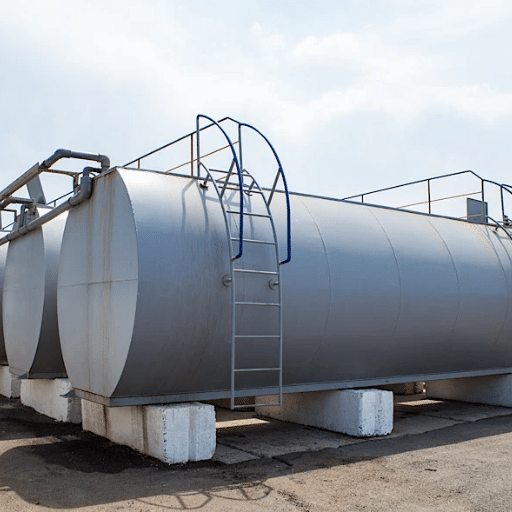
- High-pressure storage tanks or tube trailers for buffer capacity
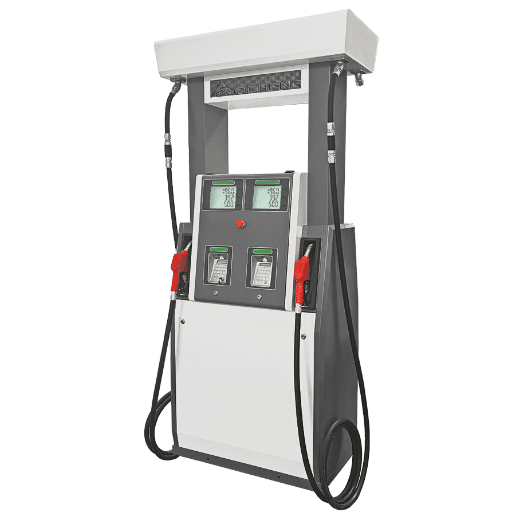
- A dispenser with hose and nozzle designed for hydrogen service
- Process piping, valves, and instrumentation
- Safety systems including leak detection, emergency shutdown, and ventilation
- A control panel or PLC system for monitoring and operation
When Maria, a project engineer at a European port authority, was asked to add hydrogen fueling for a new fleet of terminal tractors, her team faced a tight deadline. The port had no spare land for a conventional build, and civil works would have disrupted operations for months. A skid mounted hydrogen refueling station allowed her team to install a compact unit on an existing concrete pad, connect utilities, and begin commissioning in under eight weeks. The modular approach turned what could have been a two-year project into a fast, low-disruption deployment.
These stations can be designed for light-duty vehicles, heavy-duty trucks, buses, forklifts, or rail applications. Output pressure, flow rate, and storage capacity are scaled to match the specific fleet profile.
Why Modular Hydrogen Fueling Infrastructure Is Gaining Ground
Hydrogen is emerging as a practical pathway for sectors that are difficult to electrify directly. Heavy trucks, marine vessels, mining equipment, and stationary power systems all benefit from hydrogen’s high energy density and fast refueling times. However, building permanent hydrogen stations in remote or early-stage markets is expensive and slow.
Skid mounted hydrogen refueling stations address three core challenges:
Faster Deployment
Traditional hydrogen stations require civil construction, foundation work, electrical installation, mechanical assembly, and extensive safety testing on-site. A modular system arrives pre-piped, pre-wired, and pressure-tested. Site work is limited to placement, utility connections, and final commissioning. Deployment times often drop from years to months.
Lower Capital Risk
For companies testing hydrogen fleets or entering new markets, a permanent station is a major capital commitment. A skid mounted hydrogen fueling station offers a smaller upfront investment and can be relocated if demand shifts. This flexibility is valuable for pilot programs, temporary job sites, and growing regional networks.
Scalable Design
Modular systems can start small and expand as the fleet grows. Additional storage, compression, or dispensing modules can be added without replacing the entire station. This staged approach helps operators match capacity to actual utilization instead of overbuilding on day one.
According to the U.S. Department of Energy’s Hydrogen Shot initiative, reducing the cost of clean hydrogen and its delivery infrastructure is critical to widespread adoption. Modular fueling systems are one of the engineering responses helping operators reach that goal.
Core Components of a Skid Mounted Hydrogen Refueling Station

Understanding the main subsystems helps buyers evaluate proposals and compare suppliers. Each component must be selected for hydrogen service, which has unique material, pressure, and safety requirements.
Hydrogen Compression System
Hydrogen must be compressed to high pressures before it can be dispensed into vehicle tanks. Light-duty fuel cell vehicles typically refuel at 350 bar or 700 bar. Heavy-duty trucks may use 350 bar systems today, with 700 bar options growing for longer-range applications.
Compressors for skid mounted hydrogen stations are often diaphragm, piston, or ionic liquid types. Diaphragm compressors are popular because they minimize leakage and contamination. The compressor size is matched to daily throughput and peak refueling demand.
High-Pressure Storage
Buffer storage ensures fast refueling by keeping compressed hydrogen ready at the required pressure. Storage options include:
- Fixed tube trailers or bundles mounted on the skid
- Type III or Type IV composite cylinders
- Cryogenic liquid storage with vaporization for high-throughput sites
Storage volume is calculated based on daily dispensing volume, compressor duty cycle, and the number of back-to-back refueling events expected.
Hydrogen Dispenser Systems
A hydrogen dispenser functions similarly to a fuel dispenser but is engineered for extremely high pressures and gas service. Key features include:
- A communications link to the vehicle for fill control
- Temperature compensation to prevent overheating during fast fills
- Breakaway hoses and nozzles for operator safety
- Intrinsically safe electrical design for hazardous areas
Modern dispensers display pressure, mass delivered, and status in real time. They also record transaction data for fleet management.
Safety and Control Systems
Hydrogen is flammable over a wide concentration range and has a low ignition energy. Safety systems are therefore non-negotiable. A well-designed skid mounted hydrogen refueling station includes:
- Hydrogen leak detectors at critical points
- Emergency shutdown devices for isolation and venting
- Flame detectors and gas sensors
- Explosion-proof electrical enclosures
- Ventilation to prevent gas accumulation
- A safety PLC or controller interlocking operations
The control system monitors pressure, temperature, flow, and gas detection alarms. It can stop fueling automatically if any parameter moves outside safe limits. For system security information, please read our article on Skid Mounted Gas Station Safety Systems.
For demanding environments, explosion-proof design is essential. Our explosion-proof equipment is engineered for hazardous locations and integrates with modular fueling systems to support safe operations.
Where Skid Mounted Hydrogen Stations Work Best
Not every hydrogen deployment justifies a permanent build. Skid mounted hydrogen refueling stations excel in specific scenarios where flexibility, speed, or portability matter.
Fleet Fueling Depots
Bus operators, logistics companies, and municipal fleets often have centralized depots with predictable routes. A modular station can be installed at the depot to fuel vehicles overnight or between shifts. As the fleet expands, capacity can be added without relocating the station.
Ports and Rail Yards
Ports and intermodal facilities are increasingly electrifying yard trucks, reach stackers, and locomotives with hydrogen fuel cells. These sites need high-capacity fueling without lengthy construction. Skid mounted units can be placed near existing maintenance areas and connected to the delivered hydrogen supply.
Mining and Remote Industrial Sites
At remote mining operations, hydrogen may arrive by tube trailer and be dispensed on site. A skid mounted hydrogen refueling station provides a contained, portable solution that can move as the mine develops. Corrosion-resistant materials and rugged skids are important in these environments.
Temporary and Pilot Demonstrations
Government pilots, private trials, and event-based demonstrations often need fueling infrastructure for a limited time. Mobile hydrogen refueling systems, including a containerized hydrogen station, can be delivered, operated, and removed without permanent site modifications.
When a mining contractor in Western Australia needed to test hydrogen-powered haul trucks at a remote site, buying a permanent station was not practical. The company leased a skid mounted hydrogen refueling unit, operated it for 12 months, and used the data to justify a larger permanent installation. The modular approach de-risked the investment while keeping the pilot on schedule.
Safety Standards and Compliance for Hydrogen Refueling

Hydrogen fueling infrastructure must meet strict national and international standards. Buyers should verify that any skid mounted hydrogen refueling station is designed, manufactured, and tested to the relevant codes.
Key Standards and Codes
Important references include:
- SAE J2601: Standard for hydrogen fueling protocols for light-duty vehicles
- SAE J2799: Communications between hydrogen fueling stations and vehicles
- ISO 19880: Gaseous hydrogen fueling stations
- NFPA 2: Hydrogen Technologies Code
- ATEX / IECEx: Equipment for explosive atmospheres
- ASME: Pressure vessel and piping codes
The SAE J2601 protocol defines how hydrogen is dispensed safely to vehicles, including temperature compensation and communication requirements.
Hazardous Area Classification
Hydrogen refueling stations include classified hazardous zones around dispensers, vents, and storage areas. Electrical equipment in these zones must be rated for the applicable gas group and zone classification. Explosion-proof barriers and enclosures protect personnel and equipment.
Pressure Equipment Certification
Compressors, storage vessels, piping, and valves must comply with pressure equipment directives in the destination market. Common certifications include CE marking for Europe, ASME certification for North America, and local approvals in other regions.
Quality Management
Suppliers should demonstrate traceable quality processes, including material certifications, welding records, hydrostatic testing, and leak testing. A supplier with ISO 9001 certification and experience in international projects provides additional confidence.
Our storage tank solutions are built to ASME and OIML metrological standards, supporting safe integration with hydrogen and conventional fueling systems.
Ready to ensure your hydrogen project meets the right safety standards? Contact our engineering team for a compliance-focused assessment of your site.
Installation and Deployment Process
A successful deployment depends on clear planning and coordination between the supplier, installer, and site operator. While skid mounted systems reduce on-site work, they still require preparation.
Site Preparation
The site needs a level foundation rated for the skid weight, equipment loads, and local seismic or wind requirements. Utilities include electrical power, communication lines, and, depending on design, water or drainage. Hydrogen delivery access must accommodate tube trailers or bulk supply vehicles.
Delivery and Placement
The skid is transported by flatbed truck or container ship for international projects. A crane or heavy forklift places the skid on the prepared foundation. Because the equipment is pre-assembled, mechanical installation time is significantly reduced.
Utility Connections
Technicians connect power, control wiring, grounding, and hydrogen supply lines. Communications links to fleet management or station networks are configured. Leak tests and pressure tests confirm system integrity.
Commissioning and Training
Commissioning includes functional testing of compressors, dispensers, safety systems, and controls. Operator training covers normal fueling procedures, emergency shutdown, routine checks, and alarm response. Documentation such as P&ID drawings, manuals, and maintenance schedules should be provided.
For operators who want additional confidence during commissioning, Shandong Shengrui provides remote technical assistance, CAD and assembly documentation, and on-site supervision options.
Cost Considerations and ROI
Pricing for a skid mounted hydrogen refueling station varies widely based on capacity, pressure rating, storage size, and regional certification requirements. A small fleet depot unit may cost significantly less than a high-throughput heavy-duty truck station. Factors that influence cost include:
- Compressor type and capacity
- Storage volume and pressure rating
- Number and type of dispensers
- Safety and control system complexity
- Transportation and installation logistics
- Local certification and inspection costs
Operating Costs
Operating costs include hydrogen supply, electricity for compression, preventive maintenance, and periodic recertification of pressure equipment. Modular systems often have lower maintenance complexity than custom-built stations because components are standardized and factory-tested.
Return on Investment
ROI improves as hydrogen prices fall and fleet utilization rises. Key drivers include:
- Fuel cost savings compared to diesel or gasoline, where hydrogen is competitively priced
- Reduced downtime from fast refueling compared to battery charging
- Avoided the costs of permanent civil construction
- Flexibility to relocate or resell the asset
The International Energy Agency’s Global Hydrogen Review 2024 tracks the growing role of hydrogen in transport and the infrastructure investments supporting it.
When a municipal bus operator in Southeast Asia evaluated hydrogen fueling, the capital cost of a permanent station threatened to kill the project. A skid mounted hydrogen refueling station lowered the entry cost, allowed a phased rollout across three depots, and delivered measurable fuel savings within the first two years. The modular path made the business case work.
Choosing the Right Skid Mounted Hydrogen Refueling Station Supplier

Selecting a supplier is as important as selecting equipment. Look for partners who can support the full project lifecycle.
Engineering Capability
Can the supplier customize the skid layout, pressure rating, and capacity to match your fleet? Do they provide process simulations, P&IDs, and structural drawings? Custom engineering matters because no two sites or fleets are identical.
Manufacturing Quality
Ask about welding procedures, material certifications, pressure testing, and factory acceptance testing. A supplier with ISO 9001 certification and documented quality control reduces project risk.
International Certifications
If your project spans multiple countries, confirm that the supplier can meet UL, ATEX, IECEx, ASME, CE, or local standards as needed. Certification gaps discovered late in a project are expensive to fix.
After-Sales Support
Installation supervision, commissioning assistance, spare parts availability, and remote technical support are essential. Hydrogen fueling is specialized, and local expertise may be limited. A supplier with strong after-sales support keeps stations running.
Track Record
Request references or case studies from similar projects. Experience in your region, with your vehicle type, or under comparable environmental conditions is a strong indicator of capability.
Shandong Shengrui Intelligent Equipment Co., Ltd. delivers turnkey fueling and structural solutions with certifications including ISO 9001 and export experience across the Middle East, Africa, Southeast Asia, and Europe. Our team supports projects from concept and custom design through delivery and commissioning.
To choose the right skid mounted gas station, please read our article on Skid Mounted Gas Station Capacity Selection.
Conclusion
A skid mounted hydrogen refueling station offers a practical, scalable path into clean hydrogen fueling infrastructure without the delays and capital risk of permanent construction. By packaging compression, storage, and dispensing into a factory-built, transportable unit, modular hydrogen fueling stations help fleet operators, ports, industrial sites, and pilot programs move faster and adapt as demand grows.
Key takeaways:
- Skid mounted hydrogen stations arrive pre-assembled and shorten deployment timelines dramatically.
- They reduce capital risk and allow capacity to scale with fleet growth.
- Core components include compression, storage, dispensing, and integrated safety systems.
- Compliance with SAE, ISO, NFPA, ATEX, and ASME standards is essential.
- Supplier selection should focus on engineering quality, certifications, and long-term support.
If you are planning a hydrogen fueling project, the right infrastructure partner makes the difference between a delayed installation and a station that starts producing value on schedule. Contact Shandong Shengrui Intelligent Equipment Co., Ltd. today to request a custom quote or engineering assessment for your skid mounted hydrogen refueling station.