In early 2025, a Circle K operator in Oregon received a $277,008 fine for underground storage tank violations. The equipment did not fail catastrophically. Investigators found poor recordkeeping, a non-functional release detection system, and delayed response to suspected releases. The penalty was larger than many station owners spend on equipment in a year.
Stories like this are becoming more common. EPA’s mid-fiscal-year 2025 report showed that only 61% of UST facilities nationwide were in full technical compliance. That means nearly four in ten gas stations, fleets, and fueling sites are one inspection away from citations, red-tagging, or shutdown orders.
UST compliance requirements are not just paperwork. They are the operating rules that keep fuel in the tank, groundwater clean, regulators satisfied, and your business open. The challenge is that federal rules, state programs, testing schedules, and equipment standards overlap in ways that are easy to misunderstand. For station owners, gas station UST compliance is the practical result of aligning all those rules with daily operations.
In this guide, you will get a clear 2026 roadmap for UST compliance requirements at gas stations. We will cover the six pillars of compliance, walkthrough inspection checklists, real costs, recent enforcement trends, and how the right equipment choices make compliance easier from day one.
If you are also evaluating storage hardware, our complete guide to underground fuel storage tanks explains how tank design directly affects release detection and secondary containment.
What Are UST Compliance Requirements?

UST compliance requirements are the rules that govern how underground storage tanks are installed, monitored, tested, maintained, and closed. In the United States, the foundation is 40 CFR Part 280. This EPA regulation sets the technical standards and corrective action rules that owners and operators must follow. Achieving 40 CFR 280 compliance means meeting those technical standards and following the corrective action rules.
The goal is simple. Keep petroleum and hazardous substances out of soil and groundwater. The execution is more complex.
EPA UST regulations cover release detection, spill and overfill prevention, corrosion protection, operator training, periodic inspections, financial responsibility, and detailed recordkeeping. States with EPA-approved programs can add stricter rules on top of the federal baseline.
A regulated UST system generally includes the tank, connected piping, dispensers, containment sumps, and any underground support equipment. If at least 10% of the total tank volume is underground, the system usually falls under UST rules. Most retail gas station tanks are regulated, though a few exemptions exist.
Non-compliance carries serious consequences. EPA can assess civil penalties up to $25,000 per day per violation. State agencies can add more fines. They can also red-tag the fill pipe to stop deliveries, revoke operating licenses, or require costly corrective action.
For station owners, the real risk goes beyond the penalty. It includes downtime, legal exposure, and cleanup costs that follow a release or enforcement action.
The Six Pillars of UST Compliance Requirements
Think of UST compliance requirements as six connected pillars. Weakness in one area undermines the whole structure. The sections below break down what each pillar requires and how often you need to act.
1. Release Detection
UST release detection requirements are the first line of defense against fuel leaks. They are the rules for identifying leaks from tanks or piping before they become environmental incidents. EPA allows several approved methods under 40 CFR Part 280, and most facilities use a combination.
Common release detection methods include:
- Automatic tank gauging (ATG): Probes measure fuel level, water level, and temperature. The console runs periodic leak tests and flags unusual volume changes.
- Interstitial monitoring: Sensors in the space between the inner and outer walls of double-wall tanks or piping detect leaked fuel or water.
- Statistical inventory reconciliation (SIR): Delivery, sales, and tank data are analyzed statistically to identify fuel loss trends.
- Groundwater and vapor monitoring: Wells or probes around the tank detect fuel vapors or free product in the soil.
- Manual tank gauging and tightness testing: Used for smaller tanks or as supplemental confirmation.
Tanks generally need monthly release detection. Pressurized piping must have an automatic line leak detector. It also needs a second method, such as interstitial monitoring, vapor monitoring, or annual tightness testing. Release detection records must typically be kept for at least one year.
Gas station leak detection systems and release detection methods work best when matched to your tank type, soil conditions, and regulatory program. The right setup can automate much of this monitoring. For a deeper understanding, please read our automatic tank gauge leak detection guide.
2. Release Prevention: Spill, Overfill, and Corrosion Protection
Preventing a release is always less expensive than cleaning one up. This pillar covers the physical systems that stop fuel from escaping in the first place.
Spill prevention equipment includes spill buckets or catchment basins around fill pipes. These contain small spills during deliveries and must be kept clean, liquid-tight, and free of debris. For detailed information, please refer to our spill containment systems guide.
Overfill prevention devices stop tanks from being filled beyond safe capacity. Acceptable devices include automatic shutoff valves, overfill alarms, and ball float valves. These must be inspected and tested according to schedule. For a detailed look at equipment selection and testing, see our guide to overfill prevention devices.
Corrosion protection prevents steel tanks and piping from rusting underground. Options include:
- Cathodic protection: Sacrificial anode or impressed current systems redirect corrosion away from the tank.
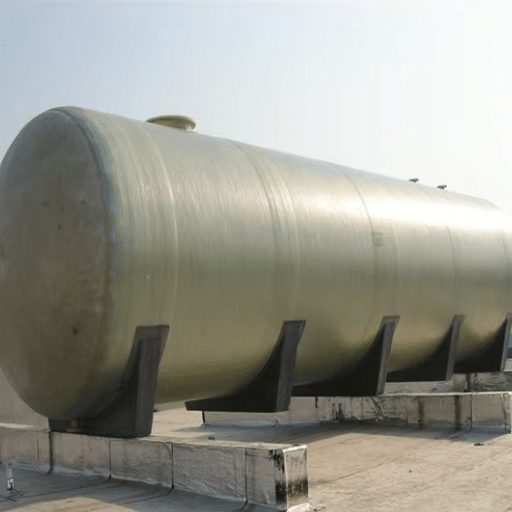
- Corrosion-resistant materials: Fiberglass-reinforced plastic tanks and certain composite steel designs resist corrosion inherently.
EPA generally requires cathodic protection testing every three years for steel tanks, with more frequent inspections for impressed current rectifiers.
For new or replaced tanks and piping installed after April 11, 2016, secondary containment with interstitial monitoring is required. New dispenser systems also need under-dispenser containment to catch leaks at the island.
How cathodic protection prevents tank corrosion is a detailed topic, but the short version is this: protected steel lasts longer, passes inspection more reliably, and reduces long-term liability. For a deeper look, see our cathodic protection for gas stations guide.
3. Operator Training (Class A, B, and C)
UST operator training ensures every UST system has designated, trained operators. EPA splits these roles into three classes.
Class A operators manage overall compliance. They understand regulatory requirements, ensure documentation is complete, and verify that Class B and C operators are trained.
Class B operators handle day-to-day operations and maintenance. They know how the tank system works, how to interpret alarms, and how to perform or supervise inspections.
Class C operators are the on-site staff who respond to alarms, spills, and emergencies. They need enough training to take immediate action and notify the right people.
Training must be completed within specific timeframes. Class A and B operators must be trained within 30 days of assuming duties. Class C operators must be trained before they assume duties.
Retraining is required when regulations change, when responsibilities change significantly, or when a facility is found out of compliance.
Training records must be kept for as long as the operator is designated. A common citation occurs when a trained operator leaves. The facility then fails to designate and train a replacement before the next inspection.
4. Walkthrough Inspections
The UST walkthrough inspection is a federal requirement under 40 CFR 280.36. Inspections must happen at least every 30 days. These are visual checks designed to catch problems before they become violations or releases.
A thorough 30-day walkthrough inspection should include:
- Inspecting spill buckets for debris, cracks, or standing liquid
- Verifying fill caps are tight and gaskets are intact
- Confirming the ATG or monitoring system is operational
- Reviewing alarm logs for unresponded alarms
- Checking overfill prevention equipment for damage
- Looking inside containment sumps for fuel, water, or deterioration
- Confirming emergency shutoffs are accessible and clearly marked
- Walking the site for fuel odors, stained pavement, or standing liquid
- Documenting the inspection date, inspector name, and any findings
Some states require additional weekly or monthly checks for leak detection equipment, spill buckets, or dispenser sumps. Always confirm your state-specific checklist.
Mini-story: A family-owned station in Massachusetts passed every equipment test but received a $12,000 citation because 18 months of monthly walkthrough logs were missing. The tanks were sound. The paperwork was not. The owner now keeps a dedicated compliance binder and digital backups. The lesson: inspections only count if they are documented.
5. Periodic Testing and Inspections
Beyond monthly walkthroughs, UST systems need formal testing on longer cycles.
Annual testing typically includes:
- Function-testing release detection equipment and sensors
- Testing line leak detectors
- Verifying ATG operability
- Checking handheld monitoring devices
Triennial testing, required every three years, includes:
- Testing containment sumps for liquid tightness
- Testing cathodic protection systems
- Formal inspection and testing of overfill prevention equipment
- Testing spill prevention equipment
Any repair or upgrade to spill, overfill, or containment equipment generally requires testing within 30 days. Records for testing must usually be kept for three years.
6. Financial Responsibility
UST financial responsibility requires owners and operators to demonstrate the ability to pay for cleanup and third-party damages if a release occurs. This is called financial responsibility under 40 CFR Part 280 Subpart H.
The minimum coverage is generally 500,000 per occurrence for most facilities. Petroleum marketers handling more than 10,000 gallons per month typically need 1 million per occurrence.
Annual aggregate coverage is 1 million for facilities with 1 to 100 tanks. It rises to 2 million for facilities with more than 100 tanks.
Acceptable mechanisms include insurance policies, surety bonds, guarantees, letters of credit, or state cleanup funds where available. Proof of coverage must be maintained continuously and kept for the current period plus one prior year.
Compliance Schedule at a Glance

| Compliance Area | Frequency | Key Action | Record Retention |
|---|---|---|---|
| Release detection | Continuous / monthly | Monitor ATG, sensors, or SIR | 1 year |
| Release prevention | Monthly visual | Inspect spill buckets, sumps, CP | Varies by state |
| Operator training | Initial + retraining | Certify Class A, B, and C operators | Duration of designation |
| Walkthrough inspections | Every 30 days | Visual site inspection | 1 year |
| Periodic testing | Annual / triennial | Test sumps, CP, overfill devices | 3 years |
| Financial responsibility | Continuous | Maintain insurance or bond | Current + 1 year |
This table gives you a snapshot, but your state program may require more frequent or additional actions. Always cross-check with your state UST agency.
2025-2026 Enforcement Trends and Deadlines
Enforcement is not slowing down. EPA’s FY2025 mid-year data showed roughly 38,000 inspections across federally regulated facilities, and the national technical compliance rate stayed at 61%. The weakest area was release detection, with only 71.4% compliance, while corrosion protection performed best at 89.2%.
Several states are tightening rules in 2025 and 2026:
- California: All single-walled USTs and non-compliant piping had to be permanently closed or replaced by December 31, 2025. Enforcement began January 1, 2026, with penalties of $500 to $5,000 per tank per day per violation.
- Oregon: New UST contractor rules took effect July 1, 2025, requiring advance notification to DEQ, manufacturer certifications, and electronic upload of test results.
- Gulf Coast states: Alabama, Mississippi, Louisiana, Texas, and Florida continue to enforce annual fees, registration renewals, third-party inspections, and state cleanup fund requirements.
Recent enforcement cases show what is at stake. In 2025, the D.C. Department of Corrections settled with EPA for $71,910. Inspectors had found missing walkthrough inspections, failed release detection, untested overfill equipment, and incomplete operator training records.
In Oregon, Circle K was fined $277,008 for failing to investigate suspected releases, maintain functional release detection, conduct required testing, and keep records.
Mini-story: Two station owners in California faced the same December 2025 single-wall deadline. One replaced his tanks in 2024 with certified double-wall units and interstitial monitoring. The other delayed, hoping for an extension. In January 2026, the second owner received a red tag prohibiting fuel deliveries until replacement was complete. The proactive owner kept operating. The delayed owner lost three weeks of revenue and paid expedited replacement costs.
The Real Cost of UST Compliance Requirements
Compliance costs money, but non-compliance costs far more. Here is a realistic breakdown for planning.
Annual Compliance Costs
- Operator training: $150 to $500 per person, depending on provider and state requirements
- Financial responsibility: $2,000 to $8,000 per year, depending on coverage and risk profile
- Monthly walkthrough inspections: Minimal if done in-house, or $1,200 to $3,600 per year if contracted
- Recordkeeping and documentation: Low direct cost, but requires consistent labor
Periodic Compliance Costs
- Triennial testing package: $800 to $2,500
- Cathodic protection testing: $300 to $600
- Overfill prevention testing: $200 to $500
- Containment sump testing: $300 to $800
Non-Compliance Costs
- EPA civil penalties: Up to $25,000 per day per violation
- State penalties: $500 to $5,000 per day in states like California
- Cleanup liability: $50,000 to $500,000 or more, depending on contamination
- Business interruption: Revenue loss during red-tagging, remediation, or forced closure
When you compare a $3,000 triennial testing bill to a $277,000 penalty, the case for preventive compliance becomes clear.
Common UST Compliance Violations and How to Avoid Them

Most violations are preventable. The most frequently cited issues include:
- Missing or incomplete walkthrough inspection records. Document every 30-day inspection with date, inspector, and findings.
- Untrained or improperly designated operators. Keep training current and designate backups for Class A and B roles.
- Failed or untested release detection equipment. Schedule annual operability tests and respond to alarms immediately.
- Cracked spill buckets or damaged containment sumps. Repair or replace damaged equipment during routine inspections.
- Incompatible fuel and equipment. Higher ethanol or biodiesel blends may require different materials. Notify your agency before switching fuels.
- Delayed release reporting. Report suspected releases immediately. Waiting increases liability and penalties.
- Missing financial responsibility documentation. Keep proof of coverage accessible and current.
The pattern is clear: equipment failures matter, but documentation and timely action matter just as much.
UST Compliance Checklist for Gas Station Owners
Use this underground storage tank compliance checklist as a starting point. Adapt it to your state program and site-specific requirements.
Monthly (30-Day) Checklist
- Inspect spill buckets for debris, cracks, or liquid
- Verify fill caps are tight and gaskets are intact
- Confirm ATG or monitoring system is operational
- Review alarm logs for unresponded alarms
- Inspect overfill prevention equipment for damage
- Check containment sumps for fuel, water, or deterioration
- Verify emergency shutoffs are accessible and clearly marked
- Walk the site for fuel odors, stains, or standing liquid
- Document the inspection with date, inspector name, and findings
Annual Checklist
- Review the prior 12 months of monthly inspection records
- Function-test line leak detectors and sump sensors
- Test overfill prevention equipment
- Visually inspect all containment sumps
- Verify all required triennial testing is current
Triennial Checklist
- Test containment sumps for liquid tightness
- Test cathodic protection system by a qualified professional
- Test overfill prevention equipment through formal inspection
- Verify corrosion protection adequacy for the life of the system
How to Choose Compliant UST Equipment?

Your equipment choices shape your compliance burden for decades. The right design can reduce testing frequency, simplify recordkeeping, and lower violation risk.
Start with the basics:
- Is this a new installation, a retrofit, or a replacement?
- Will you use single-wall or double-wall tanks?
- Is your delivery system pressurized or gravity-fed?
- What fuel types will you store? Include ethanol or biodiesel blends in your answer.
- How will the tank connect to ATG, fuel management, and leak detection systems?
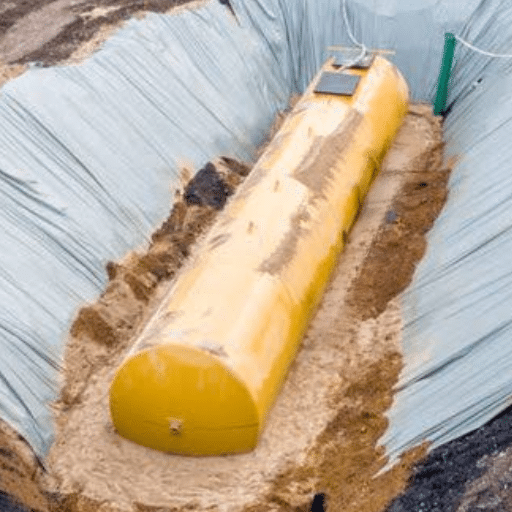
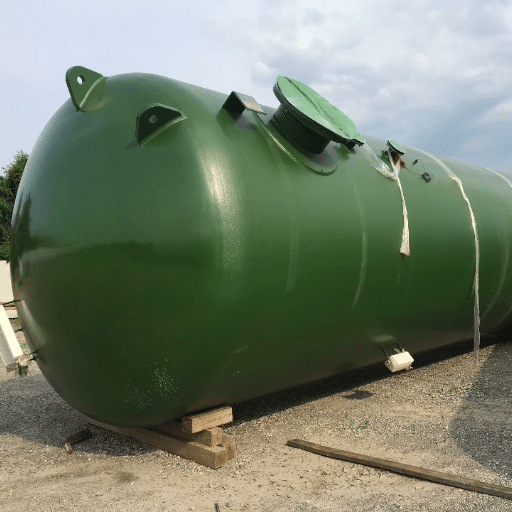
For new or replacement USTs, double-wall tanks with interstitial monitoring are the most direct path to meeting modern EPA requirements. They provide continuous leak detection between the inner and outer walls. State programs widely accept this design.
Verify that equipment meets recognized standards:
- UL 58 for steel underground tanks
- UL 1316 for fiberglass-reinforced plastic underground tanks
- PEI RP100 or API RP 1615 for installation practices
- ASTM E 1990 for system conformance evaluation
Certified double-wall underground fuel storage tanks from Shandong Shengrui are engineered to support these compliance goals. Our compliant skid-mounted gas station solutions also integrate tanks, dispensers, leak detection, and containment into a single prefabricated system. That integration can reduce installation errors and speed up commissioning.
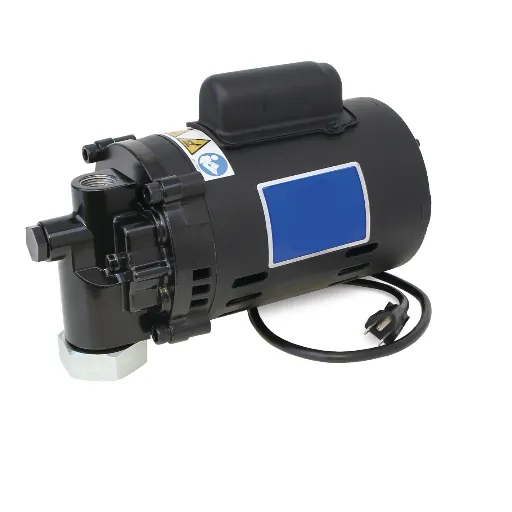
How fuel management systems support UST monitoring is another consideration. The right system puts inventory data, alarm logs, and release detection records in one place.
Frequently Asked Questions
How often must UST equipment be tested?
Release detection equipment is typically tested annually. Spill prevention, overfill prevention, containment sumps, and cathodic protection systems are generally tested every three years. Monthly walkthrough inspections are required at least every 30 days.
What is the difference between Class A, B, and C operators?
Class A operators manage overall compliance and documentation. Class B operators handle day-to-day operations and maintenance. Class C operators respond to alarms and emergencies on-site.
Do I need a licensed inspector for monthly walkthroughs?
Federal rules do not require a licensed inspector for monthly walkthroughs, but the inspector must be familiar with the system. Some states have stricter requirements, so check your state program.
What happens if my tank fails a compliance inspection?
You will typically receive a notice of violation with a deadline to correct the issue. Depending on severity, you may face fines, red-tagging that stops fuel deliveries, or an order to upgrade or close the tank.
How long must I keep UST compliance records?
Walkthrough inspection and release detection records are generally kept for one year. Testing records are usually kept for three years. Corrosion protection records must often be kept for the life of the system. State rules may require longer retention.
Can I use inventory control alone as release detection?
No. Inventory control alone does not meet EPA release detection requirements. You need an approved method such as ATG, interstitial monitoring, SIR, vapor monitoring, groundwater monitoring, or tightness testing.
What is the 12-month temporary closure rule?
A UST temporarily out of service for more than 12 months must be permanently closed or upgraded to meet current standards and returned to service. During temporary closure, you must still maintain corrosion protection, release detection, and financial responsibility.
Do fiberglass tanks have different compliance requirements?
Fiberglass tanks are inherently corrosion-resistant, so they may not require cathodic protection. However, they still must meet release detection, spill and overfill prevention, and secondary containment requirements where applicable.
What changed in the 2015 EPA UST regulations?
The 2015 revisions added several rules. These include operator training. They also added periodic testing of spill and overfill prevention equipment, containment sump testing, walkthrough inspections, and secondary containment for new or replaced tanks and piping.
Are state UST rules stricter than federal rules?
Yes. States with EPA-approved State Program Approvals can set stricter standards. California, Massachusetts, New Jersey, Oregon, and Florida all exceed federal minimums. Always confirm requirements with your state UST agency.
Conclusion
UST compliance requirements are not optional details. They are the framework that keeps your station legal, your fuel contained, and your investment protected. The six pillars work together: release detection, release prevention, operator training, walkthrough inspections, periodic testing, and financial responsibility. Weakness in one area often leads to citations, penalties, or environmental liability.
The good news is that compliance is manageable. Start with a clear checklist. Keep training current. Test equipment on schedule. Choose equipment designed for modern regulatory standards.
Three key takeaways for 2026:
- Compliance rates are below average. With only 61% of facilities in full technical compliance, proactive owners have a competitive and legal advantage.
- Documentation matters as much as equipment. Inspection logs, training records, and financial responsibility proof are frequent citation points.
- Equipment choices shape long-term compliance. Double-wall tanks, interstitial monitoring, and integrated fuel management systems reduce risk and simplify reporting.
If you are planning a new station, replacing aging tanks, or upgrading for state deadlines, contact our engineering team for a compliance-ready equipment assessment. We can help you specify certified double-wall tanks, skid-mounted systems, and monitoring equipment that align with EPA requirements and your operational goals.