A fuel station operator in Lagos once told us he had two identical carbon steel underground storage tanks installed at the same time. One was still dry and sound after 28 years. The other needed relining after 14 years. The difference? Not the steel, but how the tanks were protected from day one.
That story explains why carbon steel underground storage tanks still dominate the global fuel storage market, yet also why so many buyers feel uncertain. Steel delivers strength, flexibility, and value, but only when corrosion protection, standards compliance, and installation quality are engineered into the project.
In this guide, you will learn what carbon steel underground storage tanks are, why they remain a leading choice, how they are constructed and protected, and how to select the right design for your gas station, fleet depot, or industrial site. We will also compare carbon steel to fiberglass, outline key standards such as UL 58 and UL 1746, and show how Shandong Shengrui supports global buyers with compliant, export-ready tank solutions.
Want a deeper look at carbon steel grades and applications? Read our complete carbon steel tank buyer’s guide before making your final decision.
What Is a Carbon Steel Underground Storage Tank?

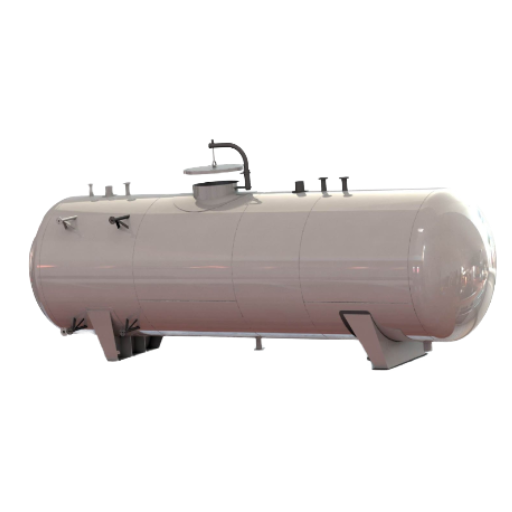
A carbon steel underground storage tank (UST) is a shop-fabricated or field-welded vessel made from carbon steel grades such as ASTM A36, A285, A516, or Q235B/Q345R. It stores flammable or combustible liquids below ground, with at least 10% of the tank volume and connected piping buried underground under U.S. EPA definitions.
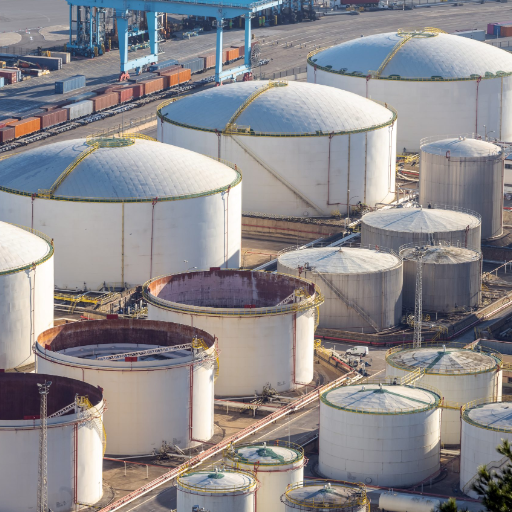
These tanks are used at gas stations, fleet fueling depots, airports, hospitals, mining camps, and industrial plants. Capacities range from a few hundred gallons for small generator sets to 60,000 gallons or more for large retail stations.
Carbon steel is popular because it is strong, weldable, widely available, and cost-effective. However, it is not naturally corrosion-proof. Modern carbon steel USTs rely on coatings, cathodic protection, double-wall construction, and careful installation to meet safety and environmental rules. For a deeper understanding, please read our carbon steel fuel storage tanks guide.
Why Choose Carbon Steel for Underground Fuel Storage?
Carbon steel remains the most common material for underground fuel tanks for several practical reasons.
Structural strength. Carbon steel handles burial loads, traffic surcharge, and groundwater pressure better than many nonmetallic alternatives. This matters at busy retail stations where heavy vehicles pass directly over the tank location.
Fabrication flexibility. Steel tanks can be built in custom diameters, lengths, and configurations. Fittings, manways, sumps, and nozzles can be added to match site requirements.
Weldability and repairability. Steel can be cut, welded, and inspected using familiar techniques. Most local contractors know how to repair steel tanks, which simplifies long-term maintenance.
Cost efficiency. Carbon steel generally costs less than stainless steel and remains competitive with fiberglass for many project sizes, especially when total lifecycle maintenance is considered.
Global supply maturity. Steel plate, welding consumables, and certified fabricators are available worldwide, which supports consistent lead times and easier sourcing.
The important caveat is that carbon steel must be protected. Bare steel buried in soil will corrode. The question is not whether to protect the tank, but which protection system fits the site, fuel, and regulatory environment.
If you want a deeper look at how protection affects service life, see our article on carbon steel tank corrosion protection methods.
Carbon Steel UST Construction Types
Not all carbon steel underground storage tanks are built the same way. Understanding the main construction types helps you match the tank to your risk profile and local rules.
Single-Wall Carbon Steel Tanks
Single-wall tanks were common decades ago, but most jurisdictions now restrict or prohibit new bare steel single-wall installations. Existing tanks must usually be upgraded with corrosion protection, interior lining, or cathodic protection, or they must be closed and replaced.
Double-Wall Carbon Steel Tanks
Double-wall designs use an inner steel primary tank surrounded by a secondary containment wall. The space between the walls, called the interstice, is monitored for leaks. If the inner tank breaches, fuel is contained and an alarm is triggered before any environmental release occurs.
Double-wall tanks are the default choice for new installations in regulated markets.
STI Protected Steel Technologies
The Steel Tank Institute licenses several protected steel designs that combine carbon steel with engineered corrosion protection:
- sti-P3: A coated steel tank with factory-installed sacrificial anodes. The pre-engineered cathodic protection system has been used in more than a quarter million installations.
- ACT-100: A double-wall carbon steel tank with a 100-mil fiberglass-reinforced plastic (FRP) laminate exterior. The FRP layer provides corrosion protection and continuous interstitial monitoring without requiring external cathodic protection.
- ACT-100U: Similar to ACT-100, but uses a 70-mil urethane coating instead of FRP.
- PERMATANK: A carbon steel primary tank inside an FRP jacket, with a vacuum-tested interstitial space for leak detection.
SF Double-Wall Tanks (Steel + FRP)
SF double-wall tanks combine a steel inner tank with an FRP outer shell. The steel provides structural strength, while the FRP layer protects against external corrosion. This design is widely used in export markets and is often paired with leak detection sensors and integrated fuel management systems.
For a side-by-side explanation of single-wall and double-wall designs, read our comparison of double wall vs single wall fuel tanks.
Key Standards: UL 58, UL 1746, and Global Codes

Carbon steel underground storage tanks must meet recognized standards to be accepted by regulators and insurers.
UL 58 covers steel underground tanks for flammable and combustible liquids. It specifies minimum steel thickness, welding, leak testing, venting, and structural performance.
UL 1746 covers external corrosion protection systems for steel underground storage tanks. It validates coatings, cathodic protection, and composite systems.
Other standards you may encounter include:
- ULC-S603.1: The Canadian equivalent for corrosion-protected steel tanks.
- EN 12285-1: European standard for shop-fabricated steel tanks.
- API 650 / ASME Section VIII: Used for larger welded or pressure-rated tanks.
- EPA 40 CFR Part 280: U.S. regulations for UST design, installation, release detection, corrosion protection, and financial responsibility.
When sourcing tanks internationally, confirm which standards your project must meet. Shandong Shengrui engineers tanks for UL, EN, and GB compliance depending on the destination market.
Corrosion Protection for Carbon Steel USTs
Corrosion is the single biggest risk for carbon steel underground storage tanks. Effective protection combines multiple layers of defense.
External Corrosion Risks
Soil moisture, chlorides, pH variation, and stray electrical currents can all attack buried steel. Sites near coastal areas, roads salted in winter, or industrial zones are often more aggressive.
Protective Coatings
External coatings such as epoxy, polyurethane, coal-tar enamel, FRP laminates, or urethane create a barrier between steel and soil. Quality coatings are tested with high-voltage holiday detectors, often at 10,000 to 35,000 volts, to find pinholes before the tank leaves the factory.
Cathodic Protection
Cathodic protection stops corrosion by making the steel tank the cathode in an electrochemical cell. Two main types are used:
- Sacrificial anodes: Magnesium or zinc anodes corrode instead of the tank. They typically last 10 to 25 years.
- Impressed current systems: An external rectifier drives protective current to the tank. These systems must be inspected every 60 days and tested at least every three years.
EPA rules require cathodic protection for steel USTs unless the tank is made of noncorrodible material, clad with noncorrodible material, or protected by an approved composite system.
Internal Protection
Water can collect at the tank bottom and feed microbially influenced corrosion (MIC), especially in ethanol or biodiesel blends. Internal linings, water-bottom monitoring, and periodic cleaning reduce this risk. Some steel tanks also use internal zinc anodes.
Electrical Isolation
Steel tanks must be electrically isolated from dissimilar metals at pipe connections to prevent galvanic corrosion. Isolation bushings and dielectric unions are standard details.
For more on maintenance schedules and lifespan, see our guide to carbon steel tank maintenance and lifespan.
Carbon Steel vs. Fiberglass Underground Tanks
Buyers often compare carbon steel to fiberglass-reinforced plastic (FRP) tanks. Each material has valid use cases.
| Factor | Carbon Steel USTs | Fiberglass USTs |
|---|---|---|
| Structural strength | High; supports heavy surface loads | Lower; relies on soil and backfill support |
| Corrosion resistance | Requires coatings and/or cathodic protection | Inherently corrosion-resistant |
| Customization | Highly flexible sizes and fittings | Molded sizes; custom tooling takes longer |
| Repairability | Weldable; familiar to most contractors | Requires specialized FRP repair procedures |
| Weight | Heavier; more lifting equipment needed | Lighter; easier to handle |
| Installation | Tolerates rougher handling | Requires careful backfill to avoid point loads |
| Biofuel compatibility | Good with proper lining and water control | Often preferred for high ethanol/biodiesel blends |
| Lifespan | 25-40+ years with proper protection | 30+ years with proper installation |
| Best for | Heavy loads, custom sizing, repair access, budget-sensitive projects | Aggressive soils, high biofuel blends, low-maintenance priorities |
Choose carbon steel when structural strength, fabrication flexibility, or repairability matters most. Fiberglass may fit better when the soil is highly corrosive, biofuel blends are high, or maintenance access is limited.
Installation Best Practices for Carbon Steel USTs

Even the best tank will fail if it is installed poorly. Follow these best practices for carbon steel underground storage tanks.
- Site and soil assessment. Test soil resistivity, pH, groundwater level, and contamination history before selecting a protection system.
- Excavation and bedding. Excavate to manufacturer-specified dimensions. Bed the tank on compacted sand or pea gravel free of rocks, debris, or frozen material.
- Anchoring. Secure the tank against buoyancy and movement, especially in high groundwater areas.
- Backfill. Use clean, granular backfill placed evenly around the tank. Avoid large stones or heavy compaction equipment that could damage coatings.
- Electrical isolation and cathodic protection connection. Verify isolation bushings are in place and cathodic protection anodes or rectifiers are connected and tested.
- Leak detection setup. Install interstitial monitoring sensors, automatic tank gauges, or other approved release detection equipment.
- Commissioning and records. Pressure-test the system, calibrate sensors, and keep installation, testing, and warranty records for the life of the tank.
For a step-by-step walkthrough, see our underground fuel tank installation guide. For standard information, please read our article on carbon steel tank welding and fabrication.
Lifespan, Maintenance, and Total Cost of Ownership
A properly protected carbon steel UST can last 25 to 40 years or more. Unprotected bare steel may show corrosion in 15 to 20 years.
Key maintenance tasks include:
- Testing cathodic protection within six months of installation and at least every three years afterward.
- Inspecting impressed current systems every 60 days.
- Monitoring leak detection systems according to manufacturer and regulatory schedules.
- Checking for water bottoms and removing accumulated water.
- Inspecting coatings and internal linings during scheduled outages.
Total cost of ownership includes more than the tank price. Budget for excavation, bedding, backfill, corrosion protection, leak detection, commissioning, periodic testing, and eventual removal or replacement. A UST leak can trigger cleanup costs exceeding $1 million, which makes prevention-focused maintenance one of the best investments a tank owner can make. For full cost breakdown information, read our dedicated guide to carbon steel tank cost.
If you are budgeting a new project, our underground fuel tank cost breakdown explains equipment and installation pricing in detail.
Compliance Checklist for Carbon Steel UST Owners
Regulators in most countries require underground fuel storage systems to meet specific performance standards. In the United States, EPA 40 CFR Part 280 requires:
- Approved release detection for all regulated tanks.
- Secondary containment with interstitial monitoring for tanks and piping installed or replaced after April 11, 2016.
- Corrosion protection for steel tanks and piping.
- Spill and overfill prevention equipment.
- Operator training and recordkeeping.
- Financial responsibility for cleanup costs.
State and local rules may be stricter. International buyers should verify EN, GB, UL, ULC, or other applicable codes before ordering.
How Shandong Shengrui Supports Carbon Steel UST Projects

At Shandong Shengrui Intelligent Equipment Co., Ltd., we engineer carbon steel underground storage tanks for gas stations, fleet depots, and industrial fueling projects worldwide. Our tanks are available in single-wall, double-wall, and SF double-wall configurations, with options for UL 58, UL 1746, EN 12285-1, and GB compliance.
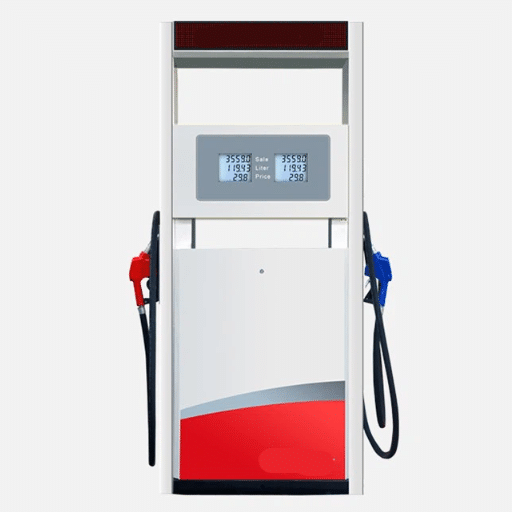
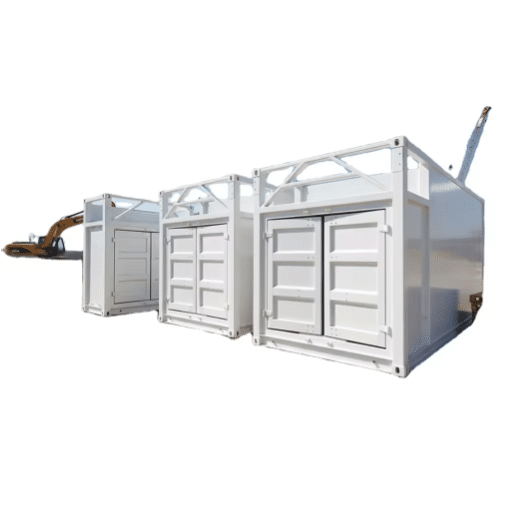
We also supply matching fuel dispensers, leak detection systems, piping, sumps, and skid-mounted gas station packages. Whether you need a single tank or a complete fuel storage tank solution, our engineering team works with you on specifications, drawings, and installation support.
With export experience across Asia, Africa, the Middle East, Europe, and the Americas, we understand the documentation, certification, and logistics that global projects demand.
Frequently Asked Questions
What is the difference between UL 58 and UL 1746?
UL 58 covers the steel tank itself, including thickness, welding, and structural testing. UL 1746 covers the external corrosion protection system, such as coatings, cathodic protection, or FRP jackets.
Do carbon steel tanks need cathodic protection?
In most regulated jurisdictions, yes. EPA rules require steel USTs to have cathodic protection unless they use an approved noncorrodible or composite system. Some protected steel designs, such as ACT-100 and PERMATANK, do not require separate external cathodic protection.
How long do carbon steel underground storage tanks last?
With proper protection and maintenance, 25 to 40 years or more. Unprotected bare steel may fail in 15 to 20 years.
Are carbon steel tanks compatible with ethanol and biodiesel?
Yes, when equipped with appropriate internal linings and water-bottom management. Modern protected steel tanks are commonly rated for ethanol and biodiesel blends.
What is an SF double-wall tank?
An SF double-wall tank has a steel inner tank for strength and a fiberglass-reinforced plastic outer shell for corrosion protection and secondary containment. It is widely used in export markets.
Conclusion
Carbon steel underground storage tanks remain a reliable choice for fuel storage when they are engineered, protected, and installed correctly. The material gives you strength, flexibility, and global availability. The protection system, whether coatings, cathodic protection, FRP composite, or double-wall containment, determines how long the tank will last and how safely it performs.
Before selecting a tank, evaluate your site conditions, fuel type, regulatory requirements, and total cost of ownership. Then work with a supplier who can match the right carbon steel construction to your project.
Key takeaways:
- Carbon steel USTs deliver strength and value but require engineered corrosion protection.
- Double-wall designs with interstitial monitoring are now the standard for new installations.
- UL 58, UL 1746, and local codes define the minimum safety and performance requirements.
- Cathodic protection, coatings, and electrical isolation work together to prevent corrosion.
- Regular testing and maintenance can extend tank life beyond 30 years.
If you are planning a gas station or fuel depot project, contact our engineering team for a customized carbon steel underground storage tank quote and installation guidance.