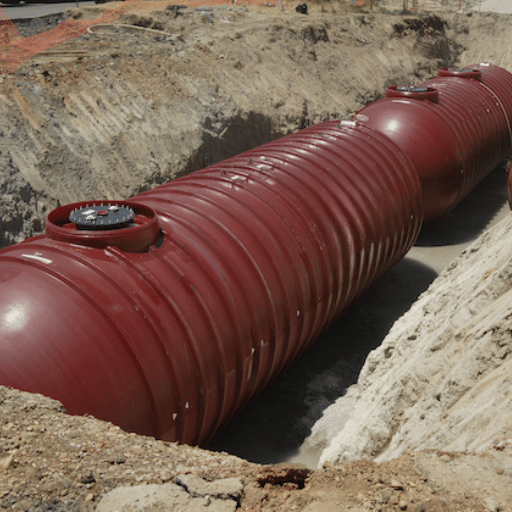
The wrong fuel tank specification can quietly drain a budget for twenty years.
That reality hit the operations team at a coastal logistics hub in Southeast Asia after they installed standard carbon steel day tanks for a new fleet fueling project. Within three years, humid salt air and water contamination had caused internal corrosion that clogged filters, triggered unplanned downtime, and forced a full tank replacement before the facility had even reached full throughput. A move to 316L stainless steel fuel storage tanks on the second build eliminated those issues and cut lifecycle maintenance by more than half.
If you are choosing a tank for diesel, gasoline, biodiesel, ethanol blends, jet fuel, or industrial backup power, material grade is only one of many decisions. You also need to weigh corrosion resistance, compliance standards, fabrication quality, total cost of ownership, and how the tank fits your application. This guide walks through everything you need to know about stainless steel fuel tanks so you can specify with confidence.
In this article, you will learn:
- How stainless steel fuel tanks resist corrosion and where they outperform other materials
- Which grades (304, 304L, 316, 316L, duplex) match each fuel and environment
- Fuel compatibility across diesel, gasoline, biodiesel, ethanol, and jet fuel
- Application guidance for marine, aviation, industrial, fleet, and gas station use
- Key design, fabrication, and quality standards (API 650, UL 142, ASME VIII, ABYC, ASTM)
- Cost, lifespan, and total cost of ownership expectations
- Maintenance and passivation best practices
- A practical checklist for choosing the right tank and supplier
Need application-specific advice? Contact our engineering team for a customized stainless steel fuel tank recommendation.
What Is a Stainless Steel Fuel Tank?

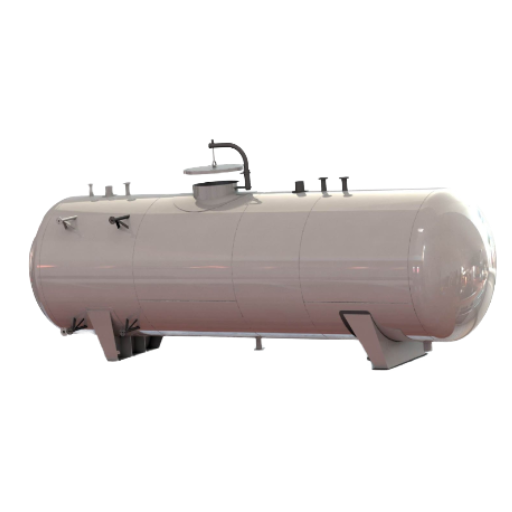
A stainless steel fuel tank is a storage vessel fabricated from corrosion-resistant stainless steel alloys, typically 304, 316, or 316L, designed to hold liquid fuels in marine, industrial, aviation, transport, or fueling applications. Its corrosion resistance comes from a thin, self-healing chromium oxide layer that forms on the surface when exposed to oxygen, a process called passivation. When properly maintained, this passive layer protects the base metal from rust, pitting, and fuel-contamination reactions.
Compared with carbon steel, aluminum, or fiberglass-reinforced plastic (FRP), stainless steel offers a unique combination of strength, weldability, high-temperature tolerance, and clean surface finish. It is not the cheapest option upfront. However, for applications where corrosion, fuel purity, or long service life matters, stainless steel fuel tanks often deliver the lowest total cost of ownership.
How Passivation Works
Stainless steel contains at least 10.5% chromium. When the surface contacts oxygen, chromium forms a transparent, adherent oxide film only a few nanometers thick. This film:
- Blocks oxygen and moisture from reaching the iron beneath
- Self-repairs when exposed to oxygen after minor surface damage
- Resists many fuels and fuel additives better than unprotected carbon steel
Passivation can also be enhanced through chemical treatments, which we cover later under maintenance.
Stainless Steel Grades for Fuel Tanks
Grade selection is the single most important specification decision after capacity. The right grade depends on fuel chemistry, chloride exposure, temperature, and budget.
| Grade | Chromium | Nickel | Molybdenum | Key Traits | Best For |
|---|---|---|---|---|---|
| 304 | 18-20% | 8-10.5% | None | Good general corrosion resistance, cost-effective | Diesel, gasoline, dry inland environments |
| 304L | 18-20% | 8-12% | None | Low carbon; better weldability, less sensitization | Welded tanks, inland diesel/gasoline |
| 316 | 16-18% | 10-14% | 2-3% | Superior chloride and pitting resistance | Marine, coastal, biodiesel, ethanol blends |
| 316L | 16-18% | 10-14% | 2-3% | Low carbon + molybdenum; best all-round fuel grade | Marine, aviation, biodiesel, corrosive environments |
| Duplex (2205) | 22% | 5-7% | 3% | Very high strength and chloride resistance | Harsh marine, chemical, high-stress tanks |
The “L” designation means low carbon. Low-carbon grades reduce the risk of sensitization during welding, which can make the heat-affected zone more vulnerable to corrosion. For welded fuel tanks, 304L or 316L are usually preferred over 304 or 316.
Want a deeper grade comparison? Read our dedicated guide on 304 vs 316 stainless steel fuel tanks.
Mini-story: A commercial fishing fleet in the North Atlantic specified 304 tanks for a new vessel to save on material cost. After two seasons of salt spray and bilge moisture, pitting appeared around welds. The operator replaced the tanks with 316L and added galvanic isolation from aluminum structure. The second set is still in service after fifteen years.
Fuel Compatibility for Stainless Steel Fuel Tanks
Not every stainless grade behaves the same with every fuel. The matrix below summarizes practical compatibility guidance.
| Fuel | 304 / 304L | 316 / 316L | Notes |
|---|---|---|---|
| Diesel (ULSD) | Good | Excellent | Sulfur reduction lowers corrosion risk; 304 is acceptable inland |
| Gasoline | Good | Excellent | Aromatic content and ethanol blends increase benefit of 316L |
| Ethanol blends (E10-E85) | Caution | Good-Excellent | Ethanol can promote pitting; passivation matters (PMC, 2020) |
| Biodiesel (B20-B100) | Caution | Excellent | Biodiesel is more corrosive than diesel; 316L strongly recommended |
| Jet fuel / aviation kerosene | Good* | Excellent | Cleanliness and surface finish are critical; 316L preferred |
| Marine diesel / gas oil | Caution | Excellent | Salt and moisture make 316L the practical minimum |
*Good with careful passivation and monitoring; not ideal for long-term aviation storage without enhanced surface finish.
If diesel storage is your main concern, our stainless steel diesel storage tank guide covers specifications and standards in more detail.
Biodiesel and Ethanol Considerations
Biodiesel is hygroscopic and can hold more water than petroleum diesel. Water plus microbes accelerates corrosion in carbon steel and can stress lower grades of stainless. Studies on biodiesel-diesel blends show increased corrosiveness above B20, especially for carbon steel storage. For long-term biodiesel storage, 316L with proper passivation is widely recommended.
Ethanol-blended gasoline can also increase pitting risk in some stainless steels. Research published in PMC shows that passive films on 316L remain stable in ethanol environments when the surface is properly passivated, but poorly passivated or contaminated surfaces are more vulnerable.
For more information, please read our article on stainless steel IBC totes for diesel and fuel storage.
Key Applications for Stainless Steel Fuel Tanks

Stainless steel fuel storage tanks appear across industries where reliability, cleanliness, or regulatory compliance is critical.
Marine and Boating
Marine tanks face saltwater, humidity, vibration, and limited ventilation. ABYC H-24 and H-33 set requirements for gasoline and diesel fuel systems on boats, including material, grounding, ventilation, and pressure testing. Marine stainless steel fuel tanks are typically 316L, with adequate wall thickness, internal baffling, and galvanic isolation from dissimilar metals. For detailed information, please refer to our marine stainless steel fuel tanks guide.
Aviation and Jet Fuel Storage
Aviation fuel demands extreme cleanliness. Water, particulates, or microbial growth can damage aircraft fuel systems. Stainless steel jet fuel storage tanks are often specified with:
- 316L construction
- Smooth surface finish (typically Ra 0.8 µm or better)
- Floating suction or low-point drains
- Desiccant breathers to limit moisture ingress
- Coating or passivation per ASTM A967
Relevant standards include API 650, ASME VIII, EI 1540, and JIG standards for airport fueling.
Need more information? Please check out our article on stainless steel jet fuel storage tanks.
Industrial Backup Power and Generator Day Tanks
Data centers, hospitals, and remote industrial sites rely on diesel or biodiesel-ready generator sets. Stainless steel diesel storage tanks provide clean fuel delivery and resist internal corrosion from water condensation. For sites planning future biodiesel blends, specifying 316L upfront avoids a later tank replacement.
Fleet and Transport
Truck fleets, rail yards, and mining operations use aboveground stainless steel tanks for on-site refueling. The material handles weather exposure, temperature swings, and frequent fill cycles better than coated carbon steel in many cases.
Gas Stations and Skid-Mounted Fuel Stations
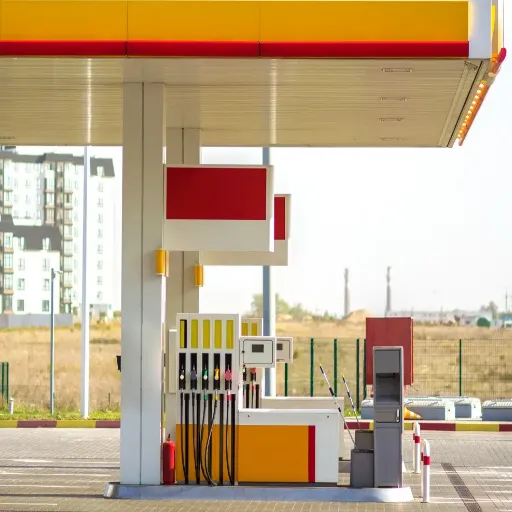
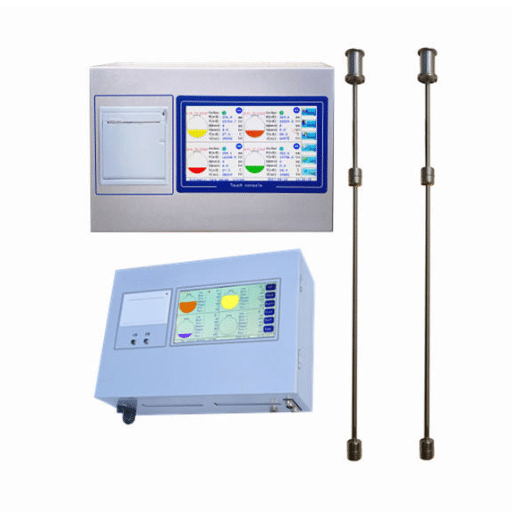
In coastal or high-humidity regions, stainless steel tank modules are sometimes integrated into skid-mounted fuel stations for rapid deployment. They pair well with explosion-proof equipment for fueling areas and fuel tank leak detection systems to create a compliant, low-maintenance fueling island.
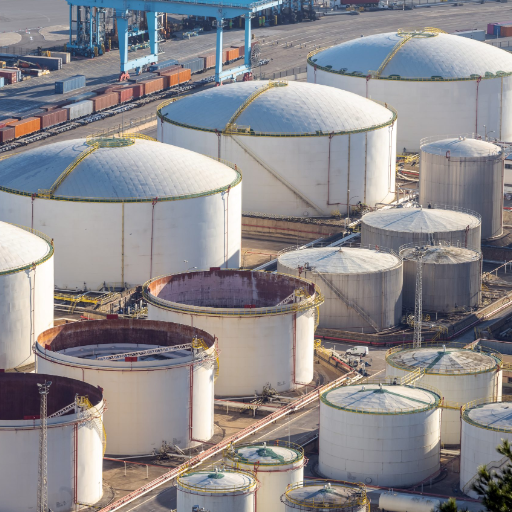
Explore our full guide to fuel storage tank solutions for a broader comparison of tank types and materials.
Design, Fabrication & Quality Standards
A stainless steel fuel tank is only as good as its welds, surface finish, and testing. When evaluating suppliers, look for documented compliance with recognized standards.
Welding and Fabrication
Common welding processes include TIG (GTAW), MIG (GMAW), and plasma welding. For fuel tanks, TIG is preferred for root passes and critical seams because it produces clean, controlled welds with minimal contamination. Key fabrication checks include:
- Use of compatible filler metal (often 316L for 316L base metal)
- Controlled heat input to avoid sensitization
- Proper joint preparation and fit-up
- 100% seam weld coverage on pressure-retaining joints
For the fabrication standards behind these checks, see our stainless steel fuel tank fabrication guide.
Non-Destructive Testing (NDT)
Quality programs typically include:
- RT (radiographic testing) or UT (ultrasonic testing) for weld integrity
- PT (penetrant testing) or VT (visual testing) for surface defects
- Hydrostatic testing at 1.3–1.5 times working pressure to verify leak tightness
Surface Finish and Passivation
Surface finish affects both corrosion resistance and fuel cleanliness. Common finishes range from mill finish to polished Ra 0.8 µm or better for aviation. Passivation per ASTM A967 or ASTM A380 removes free iron and restores the chromium oxide layer after fabrication.
Key Standards Reference
| Standard | Scope |
|---|---|
| API 650 | Welded steel tanks for oil storage |
| UL 142 | Steel aboveground tanks for flammable/combustible liquids |
| ASME BPVC Section VIII | Pressure vessel design and fabrication |
| ABYC H-24 / H-33 | Marine gasoline and diesel fuel systems |
| ASTM A967 | Chemical passivation treatments for stainless steel |
| ASTM A380 | Cleaning, descaling, and passivation of stainless steel |
| GB/T 150 / GB50156 | Chinese pressure vessel and fuel station design standards |
For export projects, confirming which standards apply in the destination market is essential before fabrication begins.
Mini-story: A regional airport in Eastern Europe procured stainless steel jet fuel tanks from a supplier that promised “aviation grade” but provided no passivation records. During commissioning, fuel samples showed elevated particulate levels. An independent audit traced the issue to weld discoloration and surface contamination. After re-passivation per ASTM A967 and re-test, the tanks met cleanliness specs. The buyer now requires TPI witness points for passivation and hydrotesting on every order.
Need help qualifying a manufacturer? Our team supports audits, documentation review, and third-party inspection coordination for stainless steel fuel tank projects. Contact us right now!
Cost, Lifespan & Total Cost of Ownership

Stainless steel fuel tanks typically cost 2–4 times more upfront than equivalent carbon steel tanks. The business case depends on how long you plan to own the tank, the operating environment, and the cost of downtime.
Upfront Cost Factors
- Material grade: 316L costs more than 304; duplex costs more than 316L
- Wall thickness and pressure rating: Thicker walls and pressure vessel design add cost
- Surface finish: Polished or electropolished finishes increase price
- Certifications: ASME, UL, or special aviation documentation add engineering and testing cost
- Capacity and configuration: Single-wall vs double-wall, vertical vs horizontal, custom fittings
Lifespan Expectations
Properly maintained 316L stainless steel fuel tanks can last 20–30 years or more in marine and industrial service. In mild inland environments, 304L tanks may also reach multi-decade lifespans with routine inspection and cleaning.
For a detailed cost breakdown, see our stainless steel fuel tank cost and pricing guide.
Total Cost of Ownership Framework
| Cost Category | Carbon Steel Tank | Stainless Steel Tank |
|---|---|---|
| Initial purchase | Lower | Higher (2–4x) |
| Coating / lining | Required periodically | Usually none |
| Inspection frequency | Higher | Lower |
| Corrosion repair | More likely | Rare |
| Fuel contamination cleanup | Higher risk | Lower risk |
| Replacement cycle | 10–15 years | 20–30+ years |
| Residual value | Lower | Higher |
For a 10,000-gallon aboveground tank in a coastal environment, the higher upfront cost of 316L can be recovered through avoided maintenance, extended life, and reduced contamination risk over a 20-year horizon.
Mini-story: An industrial backup-power facility in the Middle East initially budgeted for carbon steel generator day tanks. When lifecycle cost was modeled over 20 years, including coating reapplication, internal cleaning, and one probable replacement, the stainless steel option became cost-competitive by year twelve. The project team selected 316L tanks and included them in the turnkey station package.
Stainless Steel Fuel Tank Maintenance & Passivation
Stainless steel is low maintenance, not no maintenance. Water, sediment, and microbial growth can compromise any tank over time.
Routine Inspection
Recommended intervals depend on duty cycle and fuel type, but a practical baseline includes:
- Visual external inspection annually for damage, leaks, or fastener corrosion
- Internal inspection every 3–5 years, or after contamination events
- Water bottom check quarterly for diesel and gasoline tanks
- Fuel sampling annually for cleanliness and microbial activity
Cleaning and Water Removal
Water accelerates corrosion and supports microbial growth. Keep tank bottoms dry with:
- Sump drains or low-point drains
- Desiccant breathers
- Periodic fuel polishing or filtration
- Clean fuel receiving practices
When to Passivate
Passivation restores the protective oxide layer. Consider re-passivation:
- After welding repairs or modifications
- If surface contamination or rust staining appears
- After chemical cleaning that may have removed the passive film
- On a preventive schedule of 5–10 years for critical applications
Passivation should follow ASTM A967 or ASTM A380 and be documented with test records. Read our full stainless steel fuel tank passivation and maintenance guide for step-by-step procedures.
Stainless Steel vs Other Fuel Tank Materials
Choosing the right material means matching the tank to the environment, fuel, and lifecycle plan.
| Material | Strengths | Weaknesses | Best Fit |
|---|---|---|---|
| Stainless steel | Corrosion resistance, long life, clean surface, strong welds | Higher upfront cost | Marine, aviation, biodiesel, corrosive environments |
| Carbon steel | Lower cost, widely available, strong | Requires coating/cathodic protection; prone to rust | Low-cost inland diesel/gasoline with proper protection |
| Aluminum | Lightweight, good corrosion resistance in some environments | Lower strength, galvanic corrosion risk, weld limitations | Vehicle tanks, weight-sensitive marine |
| Fiberglass (FRP) | Corrosion-resistant, non-conductive, light | Lower impact resistance, temperature limits, UV degradation | Underground, chemical storage, low-temperature fuels |
For a detailed comparison, see our dedicated carbon steel vs stainless steel fuel tank, stainless steel vs aluminum fuel tanks and stainless steel vs fiberglass fuel tanks guide.
How to Choose a Stainless Steel Fuel Tank

Use this six-step checklist to narrow your specification before requesting quotes.
- Define the fuel and blend. Diesel, gasoline, biodiesel, ethanol, or jet fuel each favor different grades.
- Assess the environment. Coastal, marine, humid, or high-chloride locations push the choice toward 316L or duplex.
- Select capacity and configuration. Aboveground, skid-mounted, marine, or aviation configurations have different standards.
- Confirm required standards. Identify which codes apply locally: UL 142, API 650, ASME VIII, ABYC, GB/T 150, or others.
- Choose the grade. 304L for mild inland duty; 316L for marine, biodiesel, ethanol, aviation, or long-life projects.
- Vet the supplier. Request material certificates, welding procedures, NDT records, passivation documentation, and references.
Ready to compare configurations? Our engineers can recommend the right stainless steel fuel tank layout for your site, fuel type, and compliance requirements. Contact us right now!
Frequently Asked Questions
Are stainless steel fuel tanks good?
Yes, for applications where corrosion resistance, fuel cleanliness, or long service life matters. They are widely used in marine, aviation, industrial backup power, and biodiesel storage.
What grade of stainless steel is best for fuel tanks?
316L is the most versatile grade for fuel tanks. It resists chlorides, biodiesel, ethanol blends, and marine environments better than 304. For mild inland diesel or gasoline, 304L is often sufficient.
Is 304 stainless steel good for diesel fuel?
304 stainless steel works for diesel in dry, low-corrosion environments. For coastal, humid, or long-term storage, 316L is the safer choice.
How long do stainless steel fuel tanks last?
Properly maintained 316L tanks can last 20–30 years or more. 304L tanks can also reach multi-decade lifespans in mild environments.
Can stainless steel tanks store biodiesel?
Yes. 316L stainless steel is widely recommended for biodiesel storage because it resists the increased corrosiveness of biodiesel compared with petroleum diesel.
Do stainless steel fuel tanks corrode?
Stainless steel can corrode if the passive layer is damaged, contaminated, or deprived of oxygen. Water accumulation, chloride exposure, and poor passivation are common causes. Proper maintenance and passivation prevent most problems.
How much does a stainless steel fuel tank cost?
Stainless steel tanks typically cost 2–4 times more than equivalent carbon steel tanks. Total cost depends on grade, capacity, certifications, surface finish, and configuration.
Conclusion
Stainless steel fuel tanks are a long-term investment in reliability, fuel cleanliness, and compliance. The right grade, usually 304L for mild inland duty and 316L for marine, aviation, biodiesel, or corrosive environments, depends on your fuel, location, and lifecycle goals.
Key takeaways:
- Passivation gives stainless steel its corrosion resistance, but grade choice and fabrication quality matter just as much.
- 316L is the safest default for biodiesel, ethanol blends, marine, and aviation fuel storage.
- International standards such as API 650, UL 142, ASME VIII, ABYC, and ASTM A967 define quality and safety expectations.
- Higher upfront cost is often offset by lower maintenance, longer life, and reduced contamination risk over 15–20 years.
- Supplier vetting, documentation review, and third-party inspection protect your investment.
At Shandong Shengrui Intelligent Equipment Co., Ltd., we design and supply stainless steel fuel tanks and integrated fueling systems for projects worldwide. Whether you need a single tank, a skid-mounted fuel station, or a complete fuel storage solution, our engineering team can help you specify the right grade, standards, and configuration for your application.
Request a customized stainless steel fuel tank quote today and get expert support from selection through installation.