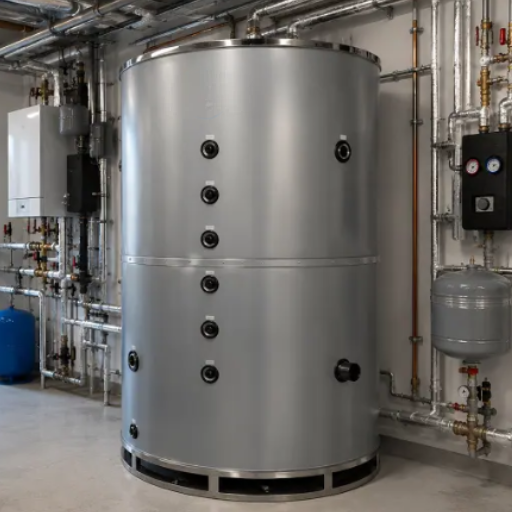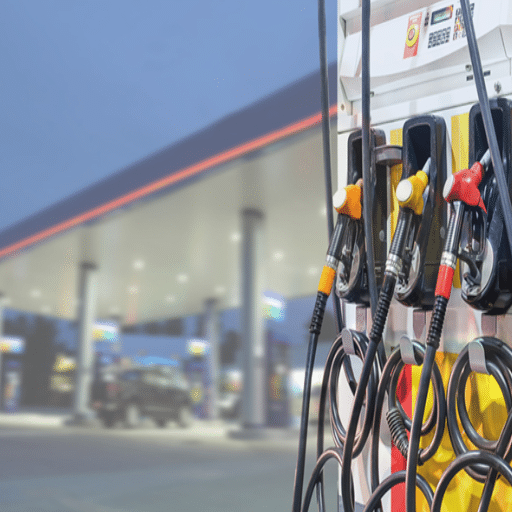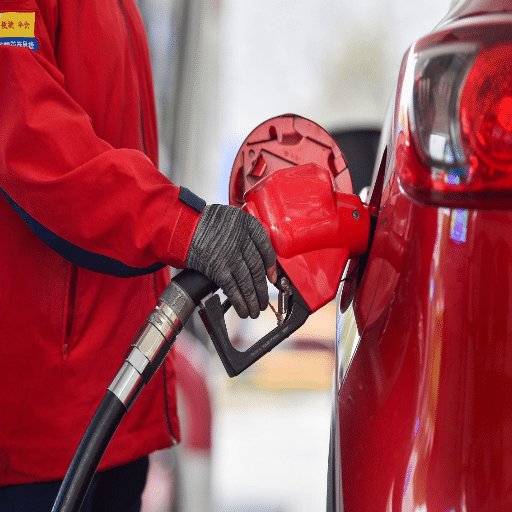
An 11-week construction delay can kill a gas station project before it opens. That is exactly what happened to a Caribbean integrator who purchased aboveground storage tanks without UL 2085 listing. He assumed the tanks met code because the supplier called them “fuel-grade.” The local fire marshal disagreed.
Construction stopped. Replacement tanks had to be sourced, shipped, and reinstalled. The opening date slipped into the next quarter.
If you have ever stared at a code book, wondering which equipment actually satisfies NFPA 30A compliance, you are not alone. The standard is dense, written for inspectors, and rarely explained from an equipment buyer’s point of view. This article changes that. You will learn what NFPA 30A requires, which certified equipment keeps your station compliant, and how to avoid the procurement mistakes that delay projects and inflate budgets.
Here is what we will cover:
- What NFPA 30A is and who it applies to
- The critical differences between NFPA 30 and NFPA 30A
- Key equipment requirements for storage tanks, fuel dispensers, and safety systems
- 2024 edition updates that affect your buying decisions
- A practical compliance checklist you can use during procurement
- How international buyers map NFPA 30A to ATEX, IECEx, and GB standards
What Is NFPA 30A?

NFPA 30A is the Code for Motor Fuel Dispensing Facilities and Repair Garages, published by the National Fire Protection Association. It governs fire and explosion safety at facilities that dispense motor fuels into vehicle tanks. The code applies to retail service stations, fleet fueling centers, marine fueling operations, and repair garages associated with fueling sites.
It works alongside NFPA 30, which covers bulk storage of flammable liquids, and NFPA 70, the National Electrical Code. For a broader overview of safety-rated infrastructure, see our guide to explosion-proof gas station equipment.
The standard sets rules for fuel dispensing systems, storage tanks connected to dispensers, emergency shutoff devices, fire protection equipment, hazardous area electrical classifications, and operating procedures. Local jurisdictions typically adopt specific editions of NFPA 30A by reference in the International Fire Code or local ordinances. The Authority Having Jurisdiction, usually the local fire marshal or building official, enforces the adopted edition with possible amendments.
NFPA 30A does not cover aircraft fueling. That falls under NFPA 407. It also does not govern bulk storage terminals unless they include motor fuel dispensing. Understanding this scope matters. Buyers sometimes mistakenly apply NFPA 30 tank rules to their entire station design, leaving critical dispensing-specific gaps uncovered.
NFPA 30 vs NFPA 30A: What Buyers Need to Know
The relationship between NFPA 30 and NFPA 30A confuses many station owners. The two codes overlap at a fueling facility, but they govern different physical systems.
NFPA 30 is the Flammable and Combustible Liquids Code. It covers storage, handling, and use of flammable liquids across all occupancies. At a gas station, NFPA 30 governs tank construction, secondary containment, venting, corrosion protection, and spill control. It explicitly excludes motor fuel dispensing facilities from its scope, referring those requirements to NFPA 30A.
NFPA 30A picks up where NFPA 30 leaves off. It governs fuel dispensers, hoses, nozzles, piping from tanks to dispensers, emergency shutoffs, canopy protection, and delivery procedures. It references NFPA 30 for tank installation rules, then adds the specialized requirements needed to protect the public during fueling operations.
Here is a practical way to think about it. When you specify an aboveground storage tank, you use NFPA 30 to select a UL 2085 protected tank with secondary containment. When you specify the fuel dispenser, emergency shear valve, and breakaway device connected to that tank, you use NFPA 30A.
Both codes apply at the same site, but to different components. An integrator who designs to NFPA 30 alone may build a compliant tank farm that fails inspection at the dispenser island.
The table below summarizes the division of responsibilities:
| System Component | Governing Code |
|---|---|
| Tank construction and installation | NFPA 30 |
| Secondary containment and spill control | NFPA 30 |
| Normal and emergency venting | NFPA 30 |
| Fuel dispensers and hoses | NFPA 30A |
| Emergency shutoff devices | NFPA 30A |
| Hazardous area electrical classification | NFPA 30A + NFPA 70 |
| Delivery truck separation distances | NFPA 30A |
| Repair garage ventilation | NFPA 30A |
Key NFPA 30A Equipment Requirements

NFPA 30A translates into specific equipment specifications that buyers must verify with suppliers. The following sections break down the most critical categories.
Storage Tanks
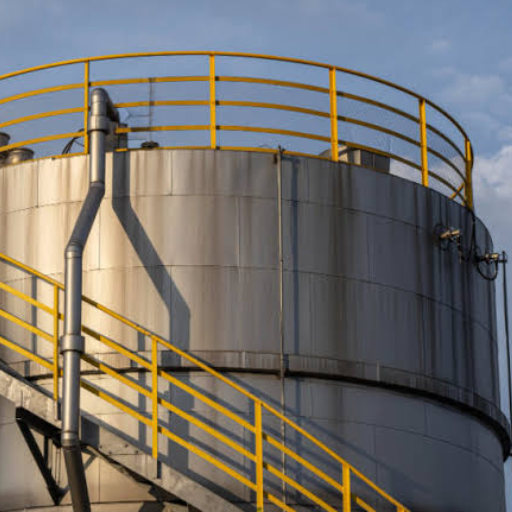
NFPA 30A limits aboveground tank capacity at motor fuel dispensing facilities to 12,000 gallons per individual tank and 48,000 gallons aggregate per site. Vaulted tanks for public dispensing may hold up to 15,000 gallons for Class I and II liquids. Fleet facilities dispensing Class II or IIIA liquids in vaults may increase capacity to 20,000 gallons individual and 80,000 gallons aggregate.
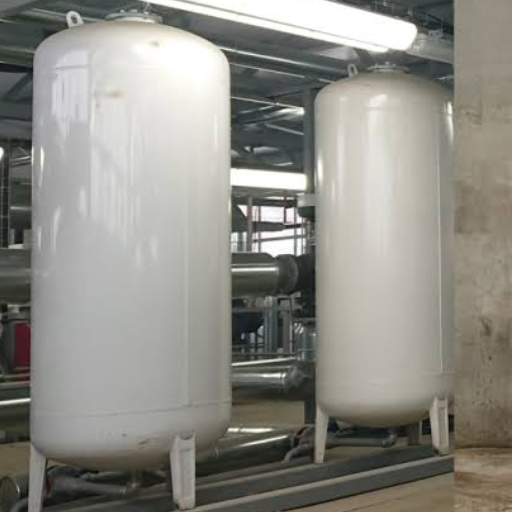
Allowed tank types include protected tanks listed to UL 2085, fire-resistant tanks listed to UL 2080, standard steel tanks listed to UL 142 for Class II or IIIA liquids, and vaults listed to UL 2245. Aboveground tanks require secondary containment with capacity for 110% of the largest tank’s volume.
They also need vehicle impact protection. Typically, this means steel bollards filled with concrete, set three feet deep and spaced no more than four feet apart.
For underground storage tanks, NFPA 30A requires leak detection, corrosion protection, and spill or overfill prevention. New installations often require double-wall construction with interstitial monitoring.
Minimum cover requirements apply. Generally, this means two feet of earth or one foot with four inches of reinforced concrete.
Fuel Dispensers and Piping
Fuel dispensing systems must include listed emergency shutoff valves with fusible links or thermal actuation. These valves close automatically in the event of severe impact or fire exposure. Testing is required at installation and at least annually, with records kept on site or made available to the AHJ within 24 hours.
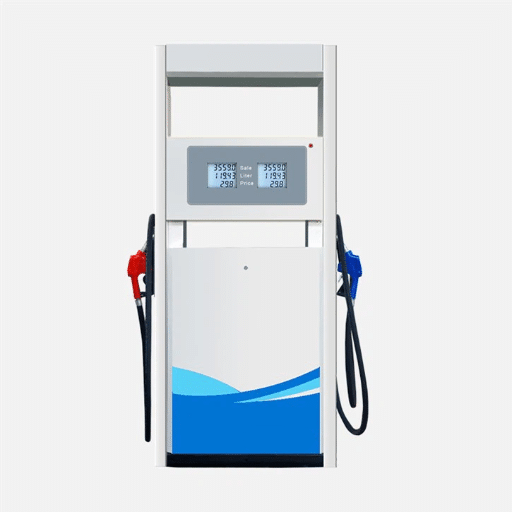
Listed shear valves must be installed under each dispenser. Breakaway devices and dry-break swivels are required between hoses and nozzles. Automatic shutoff nozzles are recommended and often required for self-serve facilities. For more on certified dispenser safety, read our guide to explosion-proof fuel dispensers.
Piping from storage tanks to dispensers must be protected from physical damage. Underground piping requires corrosion protection. Piping inside buildings but outside the motor fuel dispensing area, must be enclosed in dedicated chases with a minimum two-hour fire resistance rating.
Venting and Overfill Protection
Tanks must have normal vents for pressure equalization and emergency vents for fire exposure. Class I liquid vent pipes must terminate at least 12 feet above adjacent ground, or five feet above the highest projection if installed within or attached to a canopy. Gasoline tanks require flame arresters in vent piping.
Overfill protection is mandatory. An alarm must activate at 90% tank capacity. Automatic shutoff at 98% capacity or restricted flow at 95% capacity must follow.
Delivery operators need an accessible means to determine the liquid level. Minimum five-gallon spill containers are required at fill connections.
Electrical and Hazardous Area Equipment
All electrical equipment and wiring in hazardous locations must comply with NFPA 70. The area around dispensers and tank vents is typically classified as Class I, Division 2 under the NEC. This means any electrical device installed in or near these zones, including lighting, conduit, and control panels, must be rated for the classified location. If you need to use explosion-proof electrical enclosures, please read our article about Explosion Proof Electrical Enclosures.
For gas station canopy lighting, this requirement translates into explosion-proof or hazardous-location-rated LED fixtures. Intrinsically safe barriers or explosion-proof enclosures protect instrumentation circuits that run between safe areas and hazardous zones.
If you are not familiar with the hazardous area classification of gas stations, please check out our article on Hazardous Area Classification.
Fire Protection and Safety Signage
Outdoor dispensing areas must meet Extra Hazard Class B fire extinguisher requirements. An extinguisher rated 80 B: C must be located within 100 feet of any point in the dispensing area. Smoking and open flames are prohibited within 20 feet of fueling areas.
Warning signs must be conspicuously posted. Required wording typically includes no smoking, stop motor, place container on ground before filling, discharge static electricity before fueling, and do not re-enter vehicle while fueling. Signs must be visible to customers and delivery personnel.
If you need to know about fire prevention measures at gas stations, please read our article on Fire Suppression & Emergency Shut-Off.
2024 Edition Updates That Matter for Equipment Buyers
The 2024 edition of NFPA 30A introduced several changes that directly affect equipment specification and procurement.
First, the scope was clarified. The code now explicitly states that it applies to repair garages regardless of fuel type. It also explicitly excludes aircraft fueling, removing ambiguity for mixed-use facilities. Buyers expanding into alternative fuels should note that Chapter 12, covering CNG, LNG, hydrogen, and LPG, was amended to resolve inconsistencies with other NFPA codes.
Second, new ANSI/UL references were added. Chapter 6 now cites ANSI/UL 842 for valves handling flammable fluids and ANSI/UL 2586 for hose nozzle valves. If your supplier references older valve standards, ask whether their products have been evaluated against these updated references.
Third, mobile and on-demand fueling provisions were expanded. Chapter 14 now addresses requirements for fueling operations that are not fixed-site, including hose length limits of 50 feet and additional safety equipment for temporary deployments. Fleet operators and mobile fueling providers should review these provisions carefully.
What should buyers do? Verify the specific edition adopted by your local AHJ before finalizing equipment orders. Ask suppliers for certification documents that reference the standards cited in the adopted edition. If you are sourcing equipment for export to a US-funded project, specify compliance with the edition referenced in the contract documents.
A Midwest fleet operator learned this lesson the hard way. In late 2024, he expanded a diesel-only facility to include gasoline dispensers. He referenced an older code edition he had used for the original build.
The updated emergency shutoff isolation requirements for mixed-fuel sites, tightened in recent editions, caught him during the pre-opening AHJ inspection. He had to retrofit shear valves and add interstitial monitoring before receiving his operating permit. The unplanned work cost three weeks and stretched his budget by thousands.
If you need to learn about explosion proof equipment maintenance, please read our article on Explosion Proof Equipment Maintenance & Inspection.
NFPA 30A Compliance Checklist for Equipment Procurement
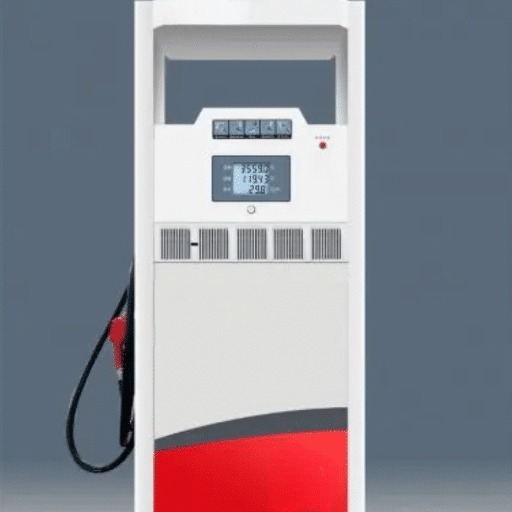
Use this checklist when sourcing equipment for a new or upgraded fueling facility. Mark each item and verify documentation before accepting delivery.
Tank Certification
- Tanks are listed to UL 2085, UL 2080, UL 142, or UL 2245 as applicable
- Individual capacity does not exceed 12,000 gallons (or applicable vault limit)
- Aggregate capacity does not exceed 48,000 gallons per site
- Secondary containment capacity equals 110% of the largest tank
- An interstitial monitoring system is installed for double-wall tanks
- Corrosion protection is specified for underground tanks
- Vehicle impact protection bollards are included in the design
Dispenser Safety
- Emergency shutoff valves are listed and thermally actuated
- Shear valves are installed under each dispenser
- Breakaway devices are specified for hose-to-nozzle connections
- Nozzles are automatic shut-off type for self-serve operations
- Valves meet ANSI/UL 842 and nozzles meet ANSI/UL 2586 where required
- Piping is protected from physical damage and corrosion
Venting and Overfill
- Normal and emergency vents are properly sized and routed
- Vent termination height meets 12-foot or canopy requirements
- Flame arresters are installed on gasoline tank vents
- Overfill alarm activates at 90% capacity
- Auto shutoff or restricted flow engages at 95-98% capacity
- Spill containers of at least five gallons are at fill connections
Electrical and Lighting
- Electrical equipment is rated for Class I, Division 2 hazardous locations
- Canopy lighting is explosion-proof or hazardous-location-rated
- Grounding and bonding systems are specified for static control
- Conduit and wiring methods comply with NFPA 70
Fire Safety and Operations
- 80 B: C fire extinguishers are placed within 100 feet of dispensing areas
- No-smoking and warning signs meet local signage requirements
- Emergency procedures are documented for spill and fire response
- Inspection and testing records will be maintained on-site
Global Equivalents: NFPA 30A for International Buyers
NFPA 30A is a US consensus standard. International buyers often need to demonstrate equivalent compliance using regional certification schemes. Understanding these mappings helps you source equipment that satisfies both US project requirements and local regulatory expectations.
In Europe, the ATEX Directive 2014/34/EU governs equipment for explosive atmospheres. ATEX-certified fuel dispensers, pumps, and electrical components meet safety objectives comparable to NFPA 30A hazardous location requirements. The Pressure Equipment Directive 2014/68/EU covers tank design and construction, aligning with NFPA 30 storage tank provisions. EN 12285 and EN 14015 provide European tank standards that parallel UL listings.
For global projects, IECEx offers an international certification scheme based on IEC 60079 standards. IECEx-certified equipment is accepted in many jurisdictions outside the US and Europe, including parts of the Middle East, Asia Pacific, and Africa. The certification process evaluates the same explosion protection concepts that underpin NFPA 30A electrical requirements.
In China, GB 50156 is the primary standard for motor vehicle fueling stations. It covers site selection, tank design, dispenser layout, fire protection, and electrical safety. AQ/T 3001 addresses safety requirements for skid-mounted fueling devices. Chinese manufacturers with GB 50156 certification often also hold UL, ATEX, or IECEx certificates for export markets.
A Middle East contractor faced this exact challenge on a US-funded infrastructure project. The engineering consultant required NFPA 30A-aligned equipment, but the contractor preferred ATEX-certified European components for local serviceability. By specifying dual-certified dispensers and tanks meeting both UL 2085 and EN 12285, he satisfied both the US compliance review and the local authority. The project moved to construction without a single equipment-related RFI. For a deeper comparison of certification schemes, see our ATEX vs IECEx vs UL certification guide.
Planning a project that crosses certification regions? Request a cross-certified equipment specification from our team. We can map NFPA 30A requirements to ATEX, IECEx, or GB equivalents for your specific station design.
Common Compliance Mistakes and How to Avoid Them

Even experienced integrators make compliance errors that delay projects or require costly retrofits. Here are the most common pitfalls and how to avoid them.
Assuming NFPA 30 Covers Everything
NFPA 30 governs tank storage. It does not govern dispensers, emergency shutoffs, or canopy electrical requirements. Buyers who specify tanks to NFPA 30 but ignore NFPA 30A for dispensing equipment often discover gaps during inspection. Always confirm both codes are addressed in your equipment package.
Buying Non-Listed Tanks or Dispensers
The code requires listed and labeled equipment. A tank built to general fabrication standards is not the same as a UL 2085 listed protected tank. A fuel dispenser without hazardous location certification is not suitable for a Class I, Division 2 zone. Always request listing documents and verify the certifying body is recognized by your AHJ.
Ignoring Local AHJ Amendments
Local jurisdictions adopt NFPA 30A with amendments. Some require stricter setback distances. Others mandate additional gas detection or fire suppression.
Always request the locally adopted code with amendments before starting equipment procurement. Do not rely on a generic NFPA 30A summary.
Missing Mobile Fueling Provisions
If your project includes mobile, temporary, or on-demand fueling, Chapter 14 of the 2024 edition applies. Hose length limits, additional safety equipment, and operational restrictions differ from fixed-site requirements. Mobile fueling operators should review these provisions specifically.
Overlooking Alternative Fuel Additions
Adding CNG, LNG, hydrogen, or LPG to an existing liquid-fuel facility triggers Chapter 12 requirements. The 2024 edition resolved prior inconsistencies with other NFPA codes, so integrators should reference the updated chapter when designing multi-fuel sites.
If you want to understand Gas Detection Systems, please read our article about Gas Detection Systems.
Frequently Asked Questions
What is NFPA 30A compliance?
NFPA 30A compliance means a motor fuel dispensing facility meets the fire and explosion safety requirements in the Code for Motor Fuel Dispensing Facilities and Repair Garages. This includes proper storage tanks, fuel dispensers, emergency shutoffs, electrical ratings, fire protection, and operating procedures.
What is the difference between NFPA 30 and NFPA 30A?
NFPA 30 covers the storage and handling of flammable and combustible liquids broadly. NFPA 30A specifically covers motor fuel dispensing facilities, including dispensers, piping, emergency controls, and repair garages. At a gas station, NFPA 30 governs the tank while NFPA 30A governs everything related to dispensing fuel into vehicles.
What equipment is required for NFPA 30A compliance?
Required equipment includes listed storage tanks with secondary containment, fuel dispensers with emergency shutoff and shear valves, automatic shutoff nozzles, overfill protection devices, properly rated electrical equipment, fire extinguishers, and safety signage. Specific equipment depends on the facility type and fuel handled.
Does NFPA 30A apply to skid-mounted fuel stations?
Yes. Skid-mounted and containerized fuel stations that dispense motor fuels must comply with NFPA 30A requirements for dispensing systems, emergency controls, and fire protection. Tank requirements reference NFPA 30. Mobile or temporary fueling operations have additional provisions under Chapter 14.
Which edition of NFPA 30A should I follow?
Follow the edition adopted by your local Authority Having Jurisdiction. Many jurisdictions have adopted the 2018 or 2024 edition. Always verify the specific edition and any local amendments before designing or procuring equipment.
Can international equipment meet NFPA 30A requirements?
Yes. Equipment certified to ATEX, IECEx, or equivalent standards can satisfy the safety objectives of NFPA 30A if properly mapped. International buyers should work with suppliers who understand cross-certification and can provide documentation acceptable to the AHJ or project engineer.
Conclusion
NFPA 30A compliance is not just a paperwork exercise. It is the framework that keeps fueling facilities safe, inspections passing, and projects on schedule. The key takeaways are simple but critical.
First, understand that NFPA 30 and NFPA 30A govern different parts of your station. You need both. Second, always verify that equipment is listed by a recognized testing laboratory and matches the edition adopted by your local AHJ.
Third, use a procurement checklist to catch gaps before delivery, not during inspection. Fourth, if you are working across certification regions, map NFPA 30A to ATEX, IECEx, or GB standards early in the project. Fifth, stay current with edition updates, especially the 2024 changes affecting alternative fuels and mobile fueling.
At Shandong Shengrui Intelligent Equipment Co., Ltd., we design and export gas station equipment built to NFPA 30A, ATEX, IECEx, and UL standards. From explosion-proof fuel dispensers to UL 2085 protected tanks and skid-mounted stations with integrated safety systems, every product is engineered for compliance and long-term performance.
If you are planning a fueling facility and need equipment that meets code the first time, contact our engineering team. We will review your project specs, confirm the right certifications, and deliver a solution that keeps your build on track.