By 9:00 a.m., Omar’s crew had already burned ninety minutes driving excavators to the nearest fuel station and back. The construction site was twenty kilometers from town, and every fuel run cost machine time, driver wages, and diesel burned just to fetch more diesel. A mobile fuel dispenser on a small service truck would have kept the equipment working at the site instead of crawling along a rural road.
If you manage construction, mining, agriculture, or any remote fleet, this scenario is familiar. Mobile fuel dispensers let you bring fuel to the equipment instead of sending equipment to the fuel station. This guide explains the types, power options, specifications, compliance basics, and selection steps you need to choose the right unit.
What Is a Mobile Fuel Dispenser?

A mobile fuel dispenser is a fuel metering and delivery system designed to operate away from a fixed gas station. It combines a pump, meter, hose, nozzle, and controller into a unit that can be carried, mounted on a vehicle, or built into a skid-mounted station.
These units are also called fuel bowsers, portable dispensers, or mobile refueling units. The core idea is the same: accurate, controlled fuel transfer wherever the fleet needs it. If you want the fundamentals of fixed-site dispensing first, our complete guide to fuel dispensers covers the basics.
Need a mobile fueling setup for a remote project? Our engineers can specify a portable, truck-mounted, or skid-mounted dispenser matched to your fuel volume and site conditions. Request a mobile dispenser consultation.
Types of Mobile Fuel Dispensers
Portable / Carry-Along Units
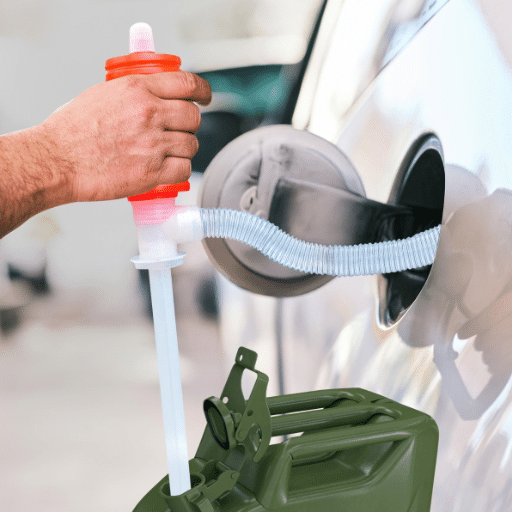
Portable units are compact dispensers, often powered by 12V or 24V DC, that an operator carries or mounts temporarily on a pickup or service truck. They typically flow 20 to 60 liters per minute and suit light commercial fleets, farms, generator sets, and small construction teams.
Truck-Mounted and Trailer Bowsers
A fuel bowser mounts the tank, pump, meter, hose reel, and nozzle on a dedicated vehicle or trailer. This is the most common format for construction, mining, and fleet refueling on the move. Flow rates range from 40 to 110 liters per minute, and tank capacities can reach several thousand liters.
Skid-Mounted and Containerized Stations
For semi-permanent remote sites, a skid-mounted fuel station delivers a complete fueling island on a steel frame or inside a shipping container. These systems include storage, containment, dispensing, and sometimes fuel management controls. They are faster to deploy than building a conventional station and easier to relocate when the project moves.
| Type | Mobility | Typical flow | Best for |
|---|---|---|---|
| Portable unit | Carried or temporary mount | 20–60 L/min | Farms, generators, light fleets |
| Truck-mounted bowser | Vehicle or trailer | 40–110 L/min | Construction, mining, fleet routes |
| Skid-mounted station | Transportable, fixed in place | 40–120 L/min | Remote camps, large projects, logistics hubs |
Key Specifications of Mobile Fuel Dispensers
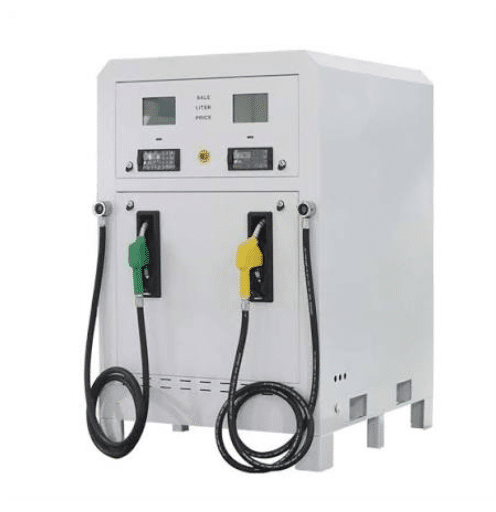
Mobile dispensers share the same core components as fixed units, but they are built to survive vibration, dust, and temperature swings.
- Flow rate: 20–80 L/min for portable units; up to 110 L/min for heavy-duty bowsers.
- Accuracy: Typically ±0.2% to ±0.5%, depending on meter quality and vibration protection.
- Power: 12V DC, 24V DC, 220V AC, or 380V AC.
- Hose: 4 meters standard; longer reels up to 10–20 meters for large machines.
- Nozzle: Auto shut-off, usually 3/4 inch or 1 inch.
- Controller: Digital display, preset dispensing, transaction memory, printer option.
- Explosion-proof rating: ExdmbIIAT3 or ATEX/IECEx equivalents for hazardous zones.
The controller is where mobile units prove their value for fleet control. Password-protected presets, transaction logs, and receipt printers turn a simple pump into an accountability tool.
12V vs 24V vs AC: Choosing the Right Power
Power choice is the most common source of buyer error. Match the power source to the vehicle or site, not just to the lowest price.
- 12V DC suits light commercial vehicles, pickups, and small service trucks with a single 12V battery system.
- 24V DC suits heavy commercial vehicles, dumpers, and large fleet bowsers that use two 12V batteries in series. It also handles long cable runs better.
- 220V/380V AC suits skid-mounted stations and fixed generator-powered sites where continuous high throughput matters.
Voltage drop is the hidden problem. On long cable runs, a 12V system can lose enough voltage to cut flow rate in half. If the dispenser sits more than about five meters from the battery, 24V is the safer choice. Heavy-gauge wiring, fused circuits close to the battery, and vibration-resistant connections are essential regardless of voltage.
In Omar’s case, his first portable dispenser was a 12V unit stretched across an 8-meter cable. The flow was so slow that operators abandoned it. Switching to a 24V bowser with thicker cable restored the rated flow and cut refueling time per machine from twelve minutes to under five.
Where Mobile Fuel Dispensers Are Used
Mobile dispensers earn their place anywhere fixed infrastructure is missing, impractical, or temporary.
- Construction and RMC plants: On-site diesel issuing for excavators, mixers, and trucks.
- Mining and quarrying: Refueling haul trucks and excavators without long drives to surface fuel stations.
- Agriculture and forestry: Fueling tractors, harvesters, and skidders in fields or remote blocks.
- Fleet depots and logistics parks: Fueling delivery vans and trucks overnight or between shifts.
- Emergency response and telecom: Keeping generators, pumps, and relief vehicles running during outages.
- Military and government fleets: Standardized, deployable fueling for field operations.
Construction and transportation together account for over half of mobile fuel dispenser demand, which reflects how tightly the product is tied to moving fleets and temporary job sites.
Compliance and Safety for Mobile Dispensers

Mobile fuel handling adds two compliance layers: hazardous-area electrical safety and transport rules.
For electrical safety, specify explosion-proof or flameproof motors and controllers when the dispenser will operate in classified zones. The ratings should match local rules, whether that is ATEX in Europe, IECEx internationally, or UL in North America. Our explosion-proof fuel dispensers guide explains what those marks mean.
For transport, diesel is classified as UN 1202, a Class 3 flammable liquid. Under European ADR rules, up to 1,000 liters per transport unit can often move under reduced requirements, while larger loads require full ADR compliance, including trained drivers, placards, and vehicle equipment. Pre-2004 or non-IBC bowsers are no longer legal on many public roads. Always confirm the rules in your jurisdiction.
Static grounding, spill kits, fire extinguishers, and secure load restraint belong on every mobile refueling checklist. The dispenser may be portable, but the fuel is still hazardous.
Fuel Management and Anti-Theft Features
Fuel theft and unrecorded fills are two of the highest hidden costs in mobile fueling. A mobile fuel dispenser with a digital controller solves both problems.
Look for these features:
- Password-protected presets so only authorized operators can dispense.
- Transaction logs that record time, volume, vehicle ID, and operator.
- Receipt printer for proof of delivery or internal billing.
- Vehicle identification through keypad entry or RFID.
- Telematics integration to upload data to a central fuel management system.
Modern mobile dispensers can feed the same smart fuel dispenser dashboards used at fixed stations. That means a fleet manager can see fuel consumption across fixed islands, truck-mounted bowsers, and skid-mounted sites from one screen.
Choosing the Right Mobile Dispenser
Follow this sequence before you compare quotes:
- Define the fuel and volume. Diesel, gasoline, or both? How many liters per day?
- Choose the mobility format. Portable for light use, truck-mounted for fleets, skid-mounted for camps.
- Match the power source. 12V for light vehicles, 24V for heavy, AC for high-throughput fixed sites.
- Specify flow rate and nozzle size. Match the largest machine tank and the available duty cycle.
- Add fuel management features. Passwords, logs, and vehicle IDs pay for themselves quickly.
- Confirm compliance. Hazardous-area ratings, transport rules, and environmental bunding.
If you are choosing a skid-mounted system, our skid-mounted gas station capacity guide walks through sizing and deployment. For high-flow fleet refueling, the high-flow fuel dispensers guide covers throughput math.
Comparing portable and skid-mounted options? Send us your daily fuel volume, vehicle mix, and site layout, and we will recommend a mobile fuel dispenser configuration with the right power, flow, and controls. Get a tailored proposal.
Maintenance and Calibration Differences

Mobile dispensers work harder than fixed units. Vibration, dust, and temperature cycles wear components faster, so maintenance intervals should be shorter.
- Calibration: Every six months is a common rule for mobile units, compared with annually for fixed dispensers.
- Filters: Check more often because mobile tanks are more exposed to contamination.
- Hoses and nozzles: Inspect for cuts, abrasion, and leaks before every shift.
- Wiring: Look for chafing at mounting points and connector corrosion.
- Vibration mounts: Replace worn anti-vibration mounts to protect meter calibration.
The fuel dispenser maintenance guide provides a baseline schedule that you can tighten for mobile service. Our calibration guide covers the legal-metrology side.
Market Trends
The mobile fuel dispenser market is estimated at roughly $3.0 billion in 2026 and is projected to grow at about 6.4% annually through 2034. Mobile container fuel stations are growing faster, at nearly 14% CAGR, as operators look for rapid deployment and lower civil-engineering costs.
Three trends are shaping demand. First, more fleets are bringing fueling in-house to control cost and accountability. Second, IoT-enabled mobile dispensers are feeding central dashboards, closing the gap between remote sites and headquarters. Third, multi-fuel mobile stations are emerging, combining diesel, gasoline, DEF, and even alternative fuels on one skid.
Asia-Pacific and the Middle East are leading this growth, driven by infrastructure megaprojects, mining expansion, and logistics parks that need fast, compliant fueling without the delays of building permanent stations. If you have your own budget plan, please read our article on Fuel Dispenser Cost and TCO.
Frequently Asked Questions
What is a mobile fuel dispenser?
A mobile fuel dispenser is a pump, meter, hose, nozzle, and controller built to dispense fuel away from a fixed gas station. It can be portable, truck-mounted, or built into a skid-mounted station.
What is a fuel bowser?
A fuel bowser is a tank-and-dispenser unit mounted on a vehicle or trailer, commonly used to transport and dispense diesel at construction, mining, or fleet sites.
Should I choose 12V or 24V?
Use 12V for light vehicles and short cable runs. Use 24V for heavy trucks, mining equipment, and any setup where the cable run exceeds about five meters.
Are mobile dispensers accurate?
Yes. Quality mobile dispensers typically achieve ±0.2% to ±0.5% accuracy. Vibration and poor installation can degrade accuracy, so regular calibration matters.
Can mobile dispensers transport fuel on public roads?
They can, but transport rules apply. For example, under ADR, diesel bowsers up to 1,000 liters often qualify for reduced requirements, while larger loads need full compliance. Check local regulations.
How often should a mobile dispenser be calibrated?
Every six months is a common recommendation for mobile units due to vibration and rough handling, compared with annually for fixed dispensers.
Conclusion
A mobile fuel dispenser turns fuel from a logistical headache into a controlled on-site service. The right unit depends on where you work, how much fuel you move, and how you want to track it.
Keep these takeaways in mind:
- Choose portable units for light fleets, truck-mounted bowsers for mobile fleets, and skid-mounted stations for semi-permanent remote sites.
- Match power to the application: 12V for light/short runs, 24V for heavy/long runs, AC for high-throughput fixed sites.
- Specify fuel management features early to control theft and accountability.
- Respect hazardous-area ratings and transport rules; portable does not mean exempt.
- Calibrate mobile units more often than fixed dispensers.
At Shandong Shengrui Intelligent Equipment Co., Ltd., we design and manufacture mobile fuel dispensers, skid-mounted fuel stations, and complete turnkey fueling solutions for projects worldwide. Request a mobile fuel dispenser quote and our team will configure a unit for your fuel type, site conditions, and compliance requirements.