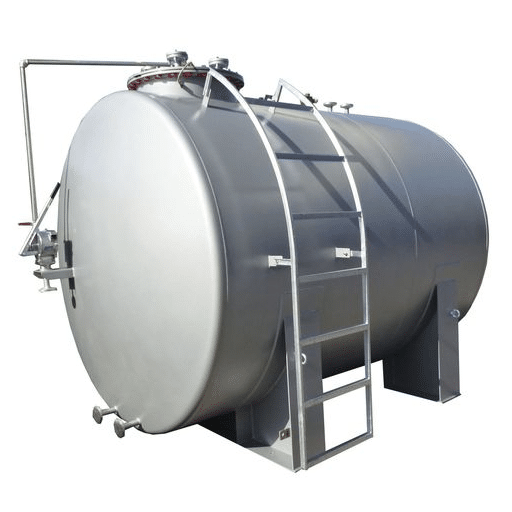
A project manager in Lagos recently received three quotes for the same 10,000-gallon carbon steel fuel tank. The prices ranged from $12,000 to nearly $38,000. Same capacity, same fuel service, wildly different numbers. The difference was not the steel; it was everything else: wall thickness, certification, internal lining, freight, and whether the quote included a foundation.
That story is more common than most buyers expect. Carbon steel tank cost is rarely a single number. It’s a range shaped by capacity, design code, coatings, logistics, and the market price of steel itself. If you’re budgeting for a fuel station, industrial site, or water storage project, understanding those drivers helps you avoid surprises and ask carbon steel tank suppliers the right questions.
In this guide, you’ll learn:
- Real carbon steel tank price ranges by capacity and carbon steel tank cost per gallon
- The seven factors that move a quote up or down
- How fuel, water, and chemical applications affect pricing
- A carbon steel vs. stainless steel cost comparison
- What to include in a request for quote to get accurate numbers
Want a deeper look at carbon steel grades and applications? Read our complete carbon steel tank buyer’s guide before making your final decision.
How Much Does a Carbon Steel Tank Cost?

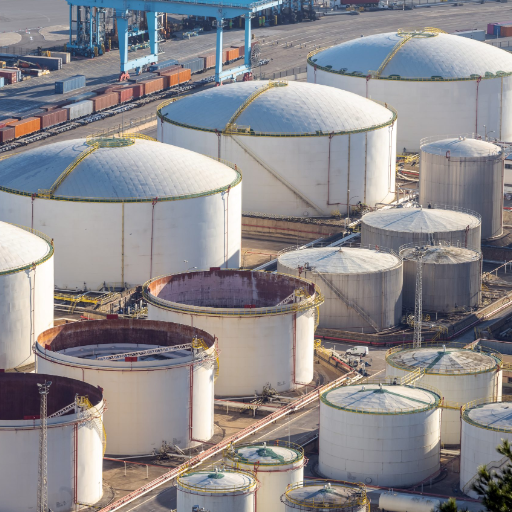
Carbon steel tank cost is the total price to purchase, coat, transport, and install a carbon steel storage tank. For new equipment, typical prices range from $500 for small 100-gallon units to $150,000+ for large 50,000+ gallon industrial tanks, before installation.
The fastest way to estimate a budget is by capacity. Every project is custom-quoted, but the following ranges reflect current market conditions for new, code-compliant carbon steel storage tanks. Use them as a starting point, then adjust for your specific design requirements.
Typical Price Ranges by Capacity
| Tank Capacity | Typical Price Range (USD) | Common Use Cases |
|---|---|---|
| 100–1,000 gallons | $500–$5,000 | Small fuel storage, hydraulic oil, air receivers |
| 1,000–10,000 gallons | $5,000–$25,000 | Retail fuel stations, fleet depots, process water |
| 10,000–50,000 gallons | $25,000–$75,000 | Industrial fuel farms, bulk water storage |
| 50,000+ gallons | $75,000–$150,000+ | Large terminals, municipal water, oil depots |
These figures cover the tank shell only. A fully installed system usually adds 30% to 60% for foundations, piping, electrical, and commissioning.
Cost Per Gallon Benchmarks
Engineers often use carbon steel tank cost per gallon to compare options quickly. Because smaller tanks need nearly as much fabrication as larger ones, the per-gallon price drops sharply as capacity grows.
- Large bolted or welded steel tanks: $0.50–$2.50 per gallon
- Small custom-fabricated tanks: $5.00–$15.00 per gallon
- Pressure-rated or specialized vessels: $3.00–$10.00+ per gallon
For example, a 50,000-gallon welded carbon steel water tank might fall near $1.00 per gallon for the shell. A 500-gallon fuel tank with fittings and coating could run $8.00–$10.00 per gallon. This is why comparing tanks by total price alone can be misleading. Cost per gallon gives a clearer picture of value across different sizes.
New vs. Used Carbon Steel Tanks
Used or reconditioned carbon steel tanks typically sell for 30% to 60% less than new equipment. The savings come with trade-offs:
- Remaining wall thickness and corrosion allowance must be verified.
- Older tanks may not meet current UL, ASME, or local environmental codes.
- Pressure vessel recertification can add cost.
For non-critical water or backup fuel service, used tanks can be a sound value. For retail gas stations or hazardous chemical storage, new code-certified equipment is usually the safer investment.
For more information, please read our article on carbon steel underground storage tanks.
What Affects Carbon Steel Tank Cost?

Seven factors drive most of the variation in a carbon steel storage tank price quote. Knowing them helps you compare apples to apples. You’ll also spot where a low quote may be cutting corners.
1. Material Grade and Steel Market Pricing
Carbon steel tanks are usually built from grades such as Q235B, Q345R, ASTM A36, or A572. Higher-strength grades cost more per ton. They allow thinner walls for the same pressure rating. Raw steel prices also move with commodity markets. Hot-rolled carbon steel plate has recently ranged from roughly $500 to $900 per metric ton. The final price depends on grade, thickness, and global demand.
2. Capacity, Dimensions, and Wall Thickness
Larger tanks need more material, but the cost per gallon falls because fabrication and testing are spread across a bigger volume. Taller or wider-than-standard dimensions may require thicker plates, stiffening rings, or custom tooling, all of which raise the price.
3. Pressure Rating and Design Code
A simple atmospheric storage tank costs far less than a pressure vessel. Codes such as API 650, API 620, ASME VIII, UL-142, and UL-2085 each add engineering, inspection, and documentation work. A UL-2085 fire-rated tank, for instance, can cost 30% to 50% more than a basic UL-142 single-wall tank. The extra price comes from its insulated secondary containment.
4. Coatings, Linings, and Corrosion Protection
Bare carbon steel rusts when exposed to moisture or corrosive media. Most tanks need at least one protective system:
- Epoxy coatings: common for fuel and water tanks
- Rubber or glass linings: used for aggressive chemicals
- Galvanizing: popular for atmospheric water tanks
- Cathodic protection: often required for buried tanks
A high-quality coatings and linings system can add 10% to 25% to the tank price, but it extends service life and reduces maintenance. Corrosion protection, such as cathodic protection, is often required for buried tanks. For standard information, please read our article on carbon steel tank welding and fabrication.
5. Fittings, Accessories, and Customization
Manways, nozzles, flanges, ladders, platforms, level gauges, and vents all add cost. A tank with ten nozzles and a full access platform will cost more than a bare vessel of the same size. Custom paint, insulation, or heating coils add further cost. Don’t assume these are included in a base quote.
6. Shipping, Foundation, and Installation
Freight for a 50,000-gallon tank is not trivial. Once on site, the tank needs:
- A level foundation or concrete pad
- Anchor bolts and seismic restraints where required
- Connection to fill, vent, and distribution piping
- Leak detection and electrical tie-ins
That is why carbon steel tank installation cost often equals 30% to 60% of the total project budget once foundation, piping, electrical, and commissioning are included. Underground installations typically cost more than above-ground installations because of excavation, bedding, and backfill.
7. Inspection, Testing, and Certifications
Hydrostatic testing, radiographic weld inspection, third-party certification, and factory acceptance testing add cost. They also assure that the tank will perform under pressure. For export projects, documentation such as mill certificates, material traceability, and compliance with destination-country codes also factor into the final quote.
For long-term asset planning, our carbon steel tank maintenance and lifespan guide explains how inspection cycles protect your investment.
Carbon Steel Tank Cost by Application
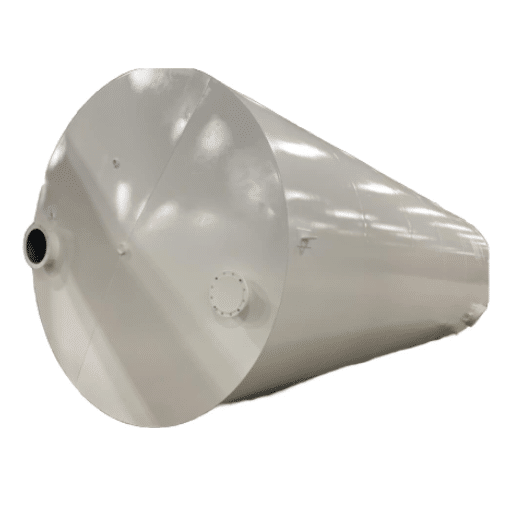
The stored product shapes almost every cost decision, from material grade to lining to certification.
Fuel and Gas Station Storage
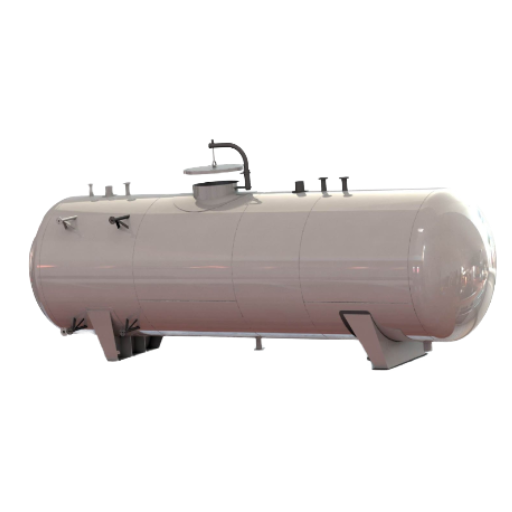
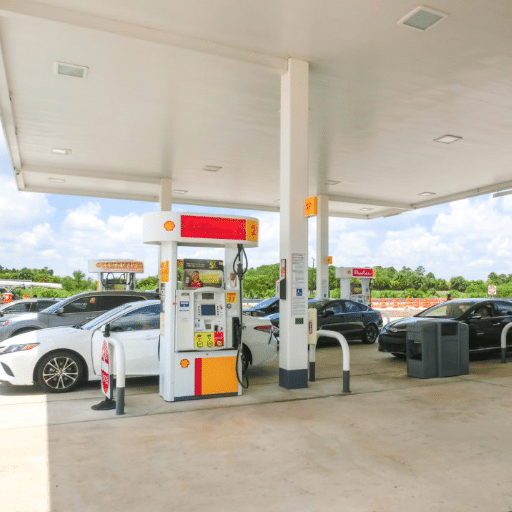
For gas stations, carbon steel fuel storage tanks are usually built to UL-142 or UL-2085 standards. A 10,000-gallon UL-142 single-wall above-ground tank might start around $15,000–$20,000, while a UL-2085 double-wall fire-rated equivalent could run $25,000–$40,000. This range shows why carbon steel fuel tank cost depends heavily on certification and containment requirements.
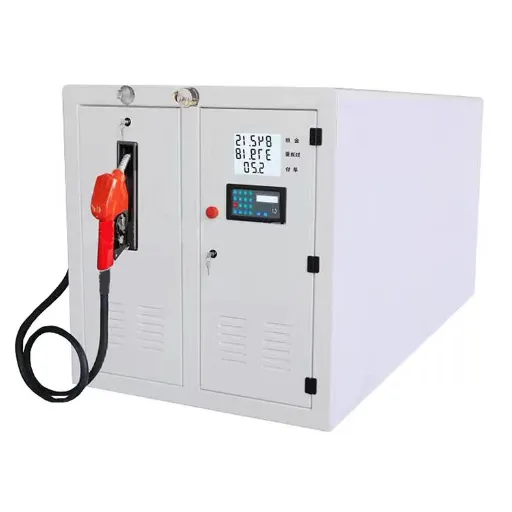
Underground fuel tanks add excavation, bedding, cathodic protection, and leak detection. For a deeper look at buried tank budgets, see our guide on underground fuel tank cost. For stations needing a faster, modular deployment, a skid-mounted gas station solution can reduce site work and shorten commissioning time. For a deeper understanding, please read our carbon steel fuel storage tanks guide.
Water Storage
Carbon steel water tanks are common for industrial process water, fire protection, and irrigation. Large bolted or welded tanks benefit from the lowest per-gallon pricing. A 50,000-gallon industrial water tank project, including foundation and installation, can total around $120,000 according to recent project benchmarks. For gas station owners, this comparison matters because the same cost-per-gallon logic applies to fuel storage tanks when scaled to station-sized capacities. To learn more information, please click to view our guide about carbon steel water storage tanks.
Chemical and Industrial Storage
Chemical tanks often require specialized linings or higher-grade steel to resist corrosion. Acids, caustics, and solvents may rule out bare carbon steel entirely unless a thick rubber, epoxy phenolic, or glass lining is applied. These requirements can push the total cost well above standard fuel or water tank pricing.
Carbon Steel vs. Stainless Steel Tank Cost
One of the most common budget questions is whether to choose carbon steel or stainless steel. The answer depends on upfront budget, service environment, and maintenance capacity.
| Cost Factor | Carbon Steel Tank | Stainless Steel Tank |
|---|---|---|
| Upfront cost | 40–60% of stainless | 2–3× carbon steel |
| Service life | 10–15 years standard, 20+ with maintenance | 20–30+ years |
| Maintenance | 2–5% of equipment value per year | Lower; mainly cleaning/inspection |
| Corrosion resistance | Requires coatings/linings | Inherent, especially 304/316 |
| Best for | Fuel, oil, dry bulk, protected water | Corrosive chemicals, food/pharma, marine |
In a 100 m³ tank comparison from the China market, a carbon steel tank was quoted at 80,000–120,000 RMB, while a stainless steel equivalent ran 150,000–200,000 RMB. For mildly corrosive service with a good coating system, carbon steel often delivers the better total value. For a detailed comparison, please read our article on carbon steel tank vs stainless steel tank.
Total Cost of Ownership for Carbon Steel Tanks
The purchase price is only part of the equation for any carbon steel tank. A complete lifecycle view includes four main cost groups:
- Initial purchase: shell, coatings, fittings, freight
- Installation: foundation, assembly, piping, electrical
- Maintenance: inspections, recoating, rust repair, thickness testing
- End-of-life: removal, disposal, or scrap recovery
Carbon steel tanks typically last 10 to 15 years in standard service. With proper coating maintenance, that can extend to 20 years or more. Annual maintenance often runs 2% to 5% of the equipment value. This means a $50,000 tank may require $1,000–$2,500 per year in upkeep.
When evaluated over 15 to 20 years, a well-maintained carbon steel tank can be competitive with stainless steel for many fuel and water applications. The key is matching the tank to the environment. You also need to stay disciplined about inspections and recoating.
How to Get an Accurate Carbon Steel Tank Quote

The more detail you provide, the more accurate your quote will be. Use this checklist when contacting a supplier:
- Capacity and dimensions: Specify gallons or cubic meters, and any height or footprint limits.
- Stored product and operating conditions: Include temperature, pH, and corrosiveness.
- Design code and certifications: List required standards such as API 650, UL-142, UL-2085, or ASME.
- Coating or lining requirements: State the expected service life and exposure conditions.
- Site and installation constraints: Mention above-ground or underground, soil type, seismic zone, and access.
- Delivery location and incoterms: Clarify whether you need ex-works, FOB, CIF, or delivered-to-site pricing.
- Timeline: Provide your target delivery and commissioning dates.
A complete RFQ reduces back-and-forth and helps suppliers recommend the right grade, thickness, and protection system from the start. It also shortens lead times because engineers won’t need to request missing details.
Frequently Asked Questions
How much does a carbon steel tank cost?
A new carbon steel tank typically costs $500 to $150,000 or more, depending on capacity, design code, coatings, and fittings. Small 100–1,000-gallon tanks usually fall between $500 and $5,000, while large 50,000+ gallon industrial tanks can exceed $75,000 before installation.
What is the carbon steel tank cost per gallon?
Cost per gallon drops as tank size grows. Typical benchmarks are:
- Large welded or bolted tanks: $0.50–$2.50 per gallon
- Small custom-fabricated tanks: $5.00–$15.00 per gallon
- Pressure-rated or specialized vessels: $3.00–$10.00+ per gallon
What factors affect carbon steel storage tank price?
The seven biggest price drivers are material grade, capacity and wall thickness, pressure rating and design code, coatings and linings, fittings and accessories, shipping and installation, and inspection or certification requirements.
Is carbon steel cheaper than stainless steel for tanks?
Yes, upfront. A carbon steel tank usually costs 40% to 60% of an equivalent stainless steel tank. Stainless steel lasts longer in corrosive service, but carbon steel with a good lining is often the better value for fuel, oil, and protected water storage.
What is included in carbon steel tank installation cost?
Carbon steel tank installation cost includes the foundation or concrete pad, anchor bolts, seismic restraints, fill and vent piping, leak detection, electrical tie-ins, and commissioning. Together, these items often add 30% to 60% to the tank-only price.
Should I buy a new or used carbon steel tank?
Used carbon steel tanks can cost 30% to 60% less than new ones, but they may need recertification, thickness testing, and updated corrosion protection. New code-certified tanks are the safer choice for retail fuel stations, hazardous chemicals, and regulated applications.
Conclusion
Carbon steel tank cost is capacity-driven, but the final quote depends on material grade, design code, coatings, fittings, freight, and installation. For buyers who match the tank to the application and protect it properly, carbon steel remains one of the most cost-effective choices in fuel, water, and industrial storage.
Before you request a quote, model the total project cost, not just the shell price. Include foundation, piping, coatings, and commissioning in your budget. Then send suppliers a detailed RFQ so you can compare accurate, like-for-like numbers.
At Shandong Shengrui Intelligent Equipment Co., Ltd., we engineer and export fuel storage tank solutions and complete fuel station infrastructure for projects worldwide. If you need a custom estimate for your next tank, contact our engineering team with your specifications. We’ll help you size, specify, and budget the right solution.
Key Takeaways
- Small carbon steel tanks (100–1,000 gal) typically cost $500–$5,000; large tanks (50,000+ gal) can exceed $75,000.
- Cost per gallon drops as capacity grows, from $5–$15/gal for small tanks to $0.50–$2.50/gal for large welded tanks.
- Installation, foundation, and site work often add 30% to 60% to the total project budget.
- Carbon steel tanks usually cost 40–60% of equivalent stainless steel tanks upfront.
- A detailed RFQ with capacity, product, code, coating, and delivery terms produces the most accurate quotes.