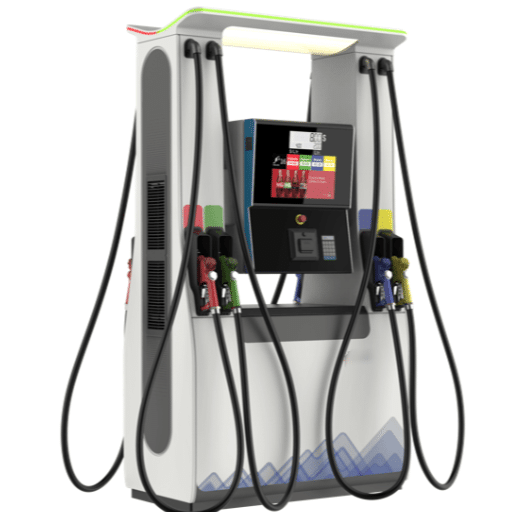
Dave Kowalski noticed the numbers did not add up. For three weeks, his station outside Des Moines showed a persistent gap between delivered fuel and sales volume. The discrepancy was small, about twelve gallons per week. His automatic tank gauge had not triggered any alarms. But Dave had trained his manager to flag anything unusual, no matter how minor. A certified inspector pressure-tested the tank and found a hairline crack in a welded seam. The repair cost $4,200. If the crack had gone undetected for another six months, diesel would have reached the groundwater table. The cleanup estimate was $340,000.
That is the reality of fuel storage tank leak prevention. A single overlooked detail can separate a $4,000 repair from a $400,000 disaster. The good news is that leaks are almost entirely preventable when you build the right system.
In this guide, you will learn what fuel storage tank leak prevention really means, how much a leak actually costs, the seven detection methods the EPA approves, and five proactive strategies that stop leaks before they start. You will also get a complete checklist and a decision framework for choosing equipment that matches your site.
Leakage is a very important safety incident for gas stations, and if you want to learn how to prevent it, please check out our article on Gas Station Leak Prevention.
What Is Fuel Storage Tank Leak Prevention?
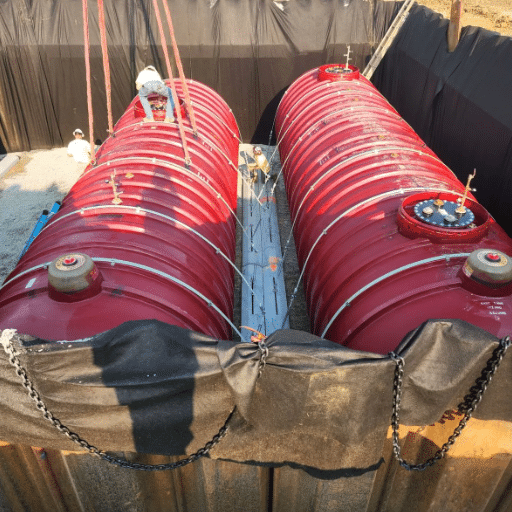
Fuel storage tank leak prevention is the combination of engineering, monitoring, maintenance, and compliance practices that keep petroleum inside your tank and piping until it reaches the customer’s vehicle. It is broader than leak detection. Detection tells you when fuel has already escaped. Prevention stops the escape from happening.
The EPA regulates this under 40 CFR Part 280, which mandates release detection for all petroleum USTs. But the smartest owners go further. They layer corrosion protection, secondary containment, overfill prevention, automated monitoring, and rigorous inspection schedules into a single defensive system. The Government Accountability Office put it simply in its landmark report: the cost of preventing a release is generally much less than the cost of cleaning one up after it occurs.
Prevention is not a single product you buy. It is a program you run. Learn the full regulatory framework in our UST compliance guide.
The True Cost of a Fuel Tank Leak
Before you invest in prevention, you need to understand what you are preventing. The numbers are sobering.
A soil-only cleanup, where contamination has not yet reached groundwater, averages $125,000 to $130,000 per site according to EPA estimates cited in Congressional Research Service reports. Once groundwater is affected, costs jump to $100,000 on the low end and routinely exceed $1 million for extensive plumes. States collectively spend an estimated $1 billion to $1.5 billion per year on UST cleanups. The unfunded backlog sits at roughly $12 billion for approximately 54,000 orphan sites where no viable owner exists to pay.
The environmental math is even more alarming. One gallon of petroleum can contaminate roughly one million gallons of water. A single pin-prick-sized hole in a tank wall can leak approximately 400 gallons per year. Seventy percent of all leaks occur not in the tank body itself, but in fittings, welds, and joints, the places most owners never think to inspect.
Then there is the business damage. A confirmed release triggers regulatory reporting, site assessment, and often a shutdown order while investigators determine the extent. Your insurance premiums may rise. Your reputation in the community suffers. And if the EPA determines negligence, civil penalties can reach $25,000 per tank per day.
Maria Santos learned this at her coastal station in South Carolina. She relied solely on manual tank gauging for a 12,000-gallon diesel tank installed in 2008. A corroded fitting under the spill bucket began seeping fuel in January 2024. Because she only gauged manually once per week, the leak went undetected for eight months. By September, petroleum had reached the groundwater. Her cleanup cost 450,000. Her insurer covered 200,000. She paid the rest out of pocket and nearly lost the station.
The 7 EPA-Approved Leak Detection Methods
The EPA does not leave you guessing about how to detect leaks. Under 40 CFR 280, owners must use at least one approved method. Most modern programs use two or more in combination. Here are the seven compliant approaches.
1. Automatic Tank Gauging (ATG)
Automatic tank gauging uses permanent probes inside the tank to continuously monitor fuel level and temperature. Modern ATG systems can detect leaks as small as 0.2 gallons per hour with 95% probability and no more than 5% false alarms. ATGs are the most common detection method in the United States because they also serve inventory management functions. Systems installed after 2010 must generate hard-copy leak rate reports. Annual functional testing is required to verify alarm operability, sensor communication, and battery backup.
2. Interstitial Monitoring
Interstitial monitoring checks the space between the inner and outer walls of a double-wall tank or piping system. If fuel breaches the inner wall, sensors in the annular space trigger an immediate alarm. For any tank installed or replaced after April 11, 2016, this is the only permissible detection method. Best practice uses either hydrostatic brine-filled monitoring or discriminating dry sensors that can tell the difference between fuel and groundwater.
3. Statistical Inventory Reconciliation (SIR)
SIR analyzes inventory, delivery, and dispensing data over 30 to 60 days using statistical software. A certified vendor processes the data and flags anomalies that suggest a leak. SIR is popular at smaller stations that lack ATG systems, but it requires meticulous recordkeeping and cannot detect leaks in real time.
4. Vapor Monitoring
Vapor monitoring detects fumes from leaked product in the soil around the tank using permanently installed sensors or sampling wells. It requires porous backfill and must be free from interference sources. This method works best as a secondary layer, not a primary defense.
5. Groundwater Monitoring
Groundwater monitoring uses wells near the tank to check for product floating on the water table. It is only viable where groundwater sits within 20 feet of the surface and where the geology allows reliable detection. Like vapor monitoring, it is best used as backup protection.
6. Manual Tank Gauging
Manual tank gauging involves physically measuring fuel depth with a gauge stick and comparing readings over time. The EPA restricts this method to tanks of 1,000 gallons or less as the sole method. For tanks between 1,001 and 2,000 gallons, it must be combined with tank tightness testing. Manual gauging alone is not permitted for any tank installed after April 11, 2016.
7. Tank Tightness Testing + Inventory Control
Tank tightness testing pressurizes or overfills the tank temporarily to measure loss rates, paired with daily inventory reconciliation. This method is limited to tanks less than 10 years old and is generally used as a supplement rather than a primary method.
Leak Detection Methods at a Glance
| Method | Best For | Cost Range | Detection Speed | EPA Standalone Approval |
|---|---|---|---|---|
| ATG | Most retail stations | 3,000−8,000 | Real-time | Yes |
| Interstitial Monitoring | Double-wall tanks | Included with the tank | Immediate | Yes (post-2016 required) |
| SIR | Small stations without ATG | 500−1,500/year | 30-60 days | Yes |
| Vapor Monitoring | Sensitive environmental areas | 2,000−5,000 | Days to weeks | Yes (with conditions) |
| Groundwater Monitoring | High water table sites | 3,000−7,000 | Days to weeks | Yes (with conditions) |
| Manual Gauging | Tanks ≤1,000 gallons | Minimal | Weekly | Yes (size restricted) |
| Tightness Testing | Supplementary verification | 800−2,500 per test | Per test cycle | Limited |
5 Proactive Fuel Storage Tank Leak Prevention Strategies

Detection catches leaks. Prevention stops them. These five strategies form the foundation of any serious fuel storage tank leak prevention program.
1. Install Double-Wall Tanks with Interstitial Monitoring
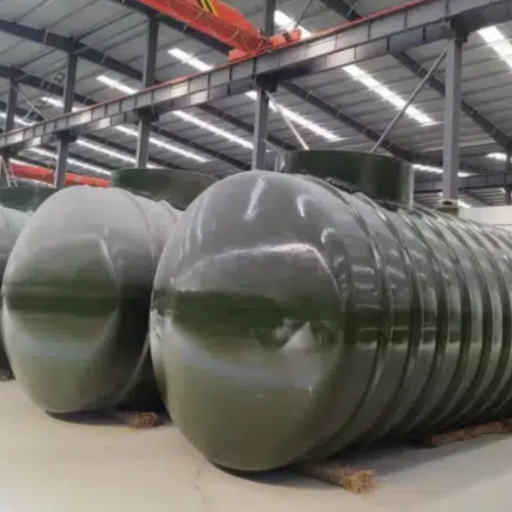
Double-wall construction is the single most effective physical barrier against environmental release. If the inner wall fails, the outer wall contains the fuel until repairs can be made. For any new or replacement installation, the EPA mandates double-wall tanks with interstitial monitoring. Hydrostatic monitoring, which fills the annular space with a non-toxic brine solution under pressure, provides 360-degree coverage and immediate breach detection. Dry systems with discriminating sensors are an alternative, particularly in areas with high groundwater where brine dilution is a concern.
At Shandong Shengrui Intelligent Equipment Co., Ltd., we manufacture SF double-layer underground storage tanks engineered with built-in interstitial monitoring ports and advanced leak detection integration. Our tanks meet international standards, including UL, ASME, and ISO certifications, making them suitable for projects worldwide.
2. Implement Corrosion Protection Systems
Corrosion causes the majority of tank and piping failures over time. Steel tanks in contact with soil electrolytes will rust without protection. Sacrificial anode systems use buried magnesium or zinc bars that corrode instead of the tank. Impressed current systems use a rectifier to force electrical current through the tank, making it the cathode. Both require periodic testing to verify adequate voltage and current output. Protective coatings and epoxy barriers add another layer of defense.
Need a deeper understanding of corrosion protection? Read our complete guide to cathodic protection systems for testing schedules, anode selection, and failure prevention.
3. Maintain Overfill and Spill Prevention Equipment
Overfills stress tank seams and creates spill hazards that can be mistaken for leaks. Automatic shutoff devices must activate at 95% capacity. Overfill alarms must trigger at 90%. Spill buckets around fill pipes must be liquid-tight, routinely cleaned, and inspected for cracks. A single overfill event can saturate the soil around the fill area, triggering an expensive investigation even if the tank itself is intact.
For detailed overfill equipment guidance, see our overfill prevention devices guide.
4. Conduct Rigorous Inspection and Testing Schedules
Consistency beats intensity. A modest inspection program performed without fail will outperform an elaborate system that is neglected. Walkthrough inspections every 30 days cover spill buckets, fill caps, containment sumps, and the general tank area for odors or stains. Annual testing verifies ATG functionality, line leak detector performance, and alarm operability. Triennial testing checks containment sump tightness, cathodic protection voltage, and overfill prevention activation.
5. Deploy Automated Monitoring and Early Warning Systems
Modern fuel management systems integrate ATG, interstitial sensors, inventory reconciliation, and alarm logging into a single platform. IoT-enabled monitoring transmits real-time data to cloud dashboards and mobile apps. Automated systems reduce reliance on manual checks, minimize human error, and create permanent digital records that satisfy auditors. The investment in automation typically pays for itself by preventing a single missed leak.
How to Choose the Right Leak Prevention System for Your Site
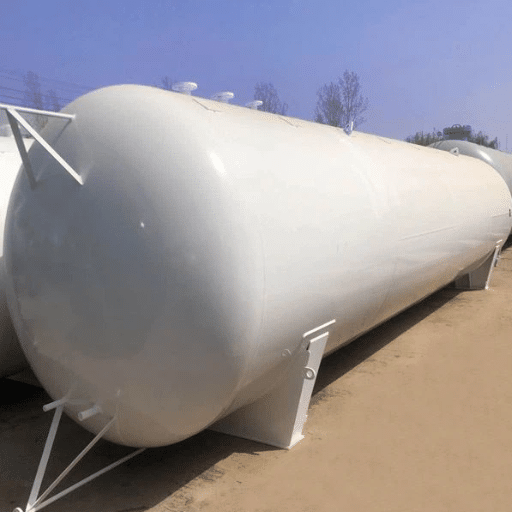
No single configuration works for every station. Your site conditions, fuel types, budget, and regulatory environment determine the right mix of prevention strategies.
Tank age and type are the starting point. Single-wall tanks still in service need immediate upgrade plans. Many jurisdictions now ban new single-wall installations, and some states require replacement by specific deadlines. If you are installing new tanks, double-wall construction with interstitial monitoring is mandatory under federal rules.
Fuel compatibility matters more than many owners realize. Ethanol blends above E10 and biodiesel above B20 can degrade seals, gaskets, and sensors not rated for them. If you change fuel products, verify that every component from tank to dispenser is compatible.
Groundwater and climate affect sensor selection. High-groundwater sites should use discriminating interstitial sensors that distinguish fuel from water. Cold climates increase condensation inside tanks, which accelerates internal corrosion and demands more frequent monitoring.
Integration with fuel management systems simplifies operations. Modern platforms connect leak detection, inventory, dispensing data, and payment systems. That integration reduces the chance of a missed alarm and streamlines the recordkeeping that regulators demand.
If you want to use a Double Wall Tank to prevent leakage, please refer to our article on Double Wall Tank Leak Prevention.
Building a Fuel Storage Tank Leak Prevention Program
A collection of equipment is not a program. A program is a system where every layer reinforces the others. Think of it as a defensive line. If one layer fails, the next one catches the threat.
Start with layered defense. Your primary layer is the physical tank construction, double-wall with interstitial monitoring. Your secondary layer is continuous ATG monitoring and daily inventory reconciliation. Your tertiary layer is periodic testing and visual inspections. Your emergency layer is a response plan that activates the moment any alarm triggers.
Staff training is equally critical. Designate trained operators who understand how your detection systems work, what each alarm means, and who to call when one triggers. A blaring alarm means nothing if the employee on duty does not know how to respond.
Documentation protects you during audits. Keep records of every inspection, test, repair, and alarm response. The EPA requires one-year retention for walkthrough records, three years for testing records, and lifetime records for corrosion protection systems.
Emergency response planning ensures that a detected leak does not become a disaster. Your plan should include immediate shutdown procedures, notification chains, spill containment materials, and contact information for certified cleanup contractors.
Fuel Storage Tank Leak Prevention Checklist
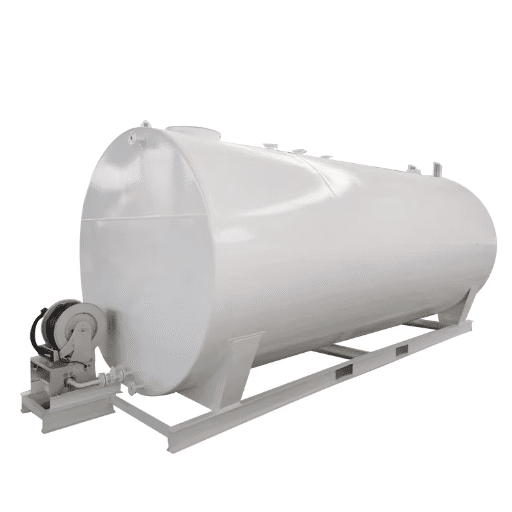
Use this checklist to build or audit your prevention program.
Daily / Weekly
- Reconcile fuel inventory against deliveries and sales
- Review ATG or monitoring system for unresponded alarms
- Visually inspect spill buckets for liquid or debris
- Check the tank area for odors, stains, or standing liquid
Monthly
- Conduct a formal 30-day walkthrough inspection
- Verify interstitial monitoring system status
- Review alarm logs and response documentation
- Inspect overfill prevention equipment for damage
Annual
- Function-test all release detection equipment
- Test line leak detectors and sump sensors
- Verify ATG accuracy and alarm configuration
- Inspect the cathodic protection system voltage and current
- Review and update emergency response procedures
Triennial
- Test containment sumps for liquid tightness
- Test the cathodic protection system formally
- Inspect overfill prevention activation thresholds
- Conduct a comprehensive program audit and documentation review
Frequently Asked Questions About Fuel Storage Tank Leak Prevention
What is the best method for underground tank leak detection?
Automatic tank gauging is the most widely used and reliable method for most retail stations. It provides real-time monitoring, integrates with inventory systems, and meets the EPA’s 0.2 GPH detection standard. For new installations, interstitial monitoring of double-wall tanks is mandatory and provides the fastest breach detection.
How much does a fuel tank leak cost to clean up?
Soil-only cleanups average 125,000 to 130,000. If groundwater is contaminated, costs range from 100,000 to more than 1 million, depending on plume size and geology. A single undetected pin-prick leak can release roughly 400 gallons per year.
What are the EPA requirements for UST leak detection?
Under 40 CFR Part 280, all petroleum USTs must use an EPA-approved release detection method. New or replaced tanks installed after April 11, 2016, must use secondary containment with interstitial monitoring. All release detection equipment must undergo annual functional testing.
How does interstitial monitoring work?
Interstitial monitoring places sensors in the space between the inner and outer walls of a double-wall tank. If the inner wall breaches, fuel enters this space and triggers an alarm. Hydrostatic systems use a brine solution under pressure for continuous 360-degree coverage.
Conclusion
Fuel storage tank leak prevention is not a compliance checkbox. It is a business survival strategy. The cost of a single undetected leak can erase years of profit, destroy your environmental standing, and threaten your license to operate. The cost of prevention is predictable, manageable, and small by comparison.
Three principles will keep your tanks secure. Build with the right equipment from day one, double-wall construction, automated monitoring, and compatible materials. Maintain with discipline, inspections on schedule, tests on time, and records that prove your diligence. Train your people so that every alarm gets the right response immediately.
James Okonkwo runs a four-tank fleet depot in Lagos. In 2020, he replaced his aging single-wall tanks with certified double-wall systems featuring hydrostatic interstitial monitoring and integrated ATG. He trained his three operators on alarm response and built a digital recordkeeping system. In five years, he has had zero leaks, zero violations, and zero unplanned downtime. His insurance premiums dropped 12%. His inspectors now use his station as a reference site. Prevention did not just protect his environment. It protected his entire business.
At Shandong Shengrui Intelligent Equipment Co., Ltd., we engineer fuel storage and safety systems designed for prevention from the ground up. Our SF double-layer underground tanks, certified leak detection integration, and explosion-proof safety components help station owners worldwide build leak-proof, compliant, and reliable fueling infrastructure. Every system we deliver is backed by ISO 9001 quality standards and engineered for the long term.
Ready to build a leak-proof fuel storage system? Contact our engineering team for a site-specific assessment and custom equipment specification that matches your fuel types, climate, and regulatory requirements.