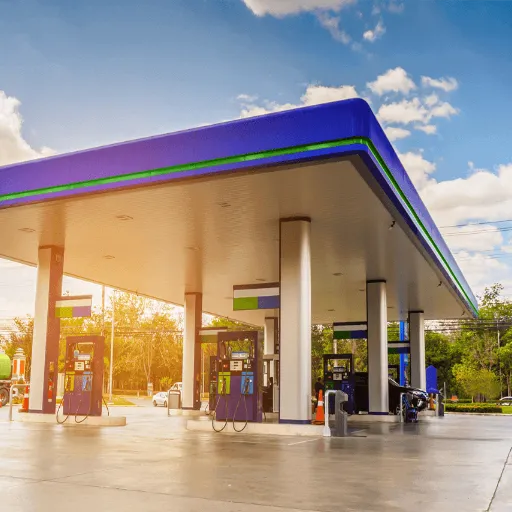
A few months into operation, a new fuel station in the Midwest began losing inventory faster than sales records could explain. The owner assumed theft. After a costly investigation, the real problem surfaced: internal corrosion in a supposedly “good for 20 years” carbon steel underground tank. Microbiologically influenced corrosion had eaten pinholes into the shell. The cleanup and replacement ran well over $250,000.
Carbon steel is still the most widely used material for fuel storage worldwide. This story shows the same truth every experienced engineer knows: the material alone does not protect your investment.
If you are selecting a fuel storage system for a gas station, fleet depot, mining camp, or industrial facility, you already know the stakes. You need a tank that holds fuel safely, meets local codes, fits your site, and stays reliable for decades. This guide explains how carbon steel fuel storage tanks work, when they are the right choice, and how to specify, protect, and maintain them. You will leave with a clear framework for comparing carbon steel to fiberglass, choosing the right standards, and asking suppliers the questions that matter.
Want a deeper look at carbon steel grades and applications? Read our complete carbon steel tank buyer’s guide before making your final decision.
What Are Carbon Steel Fuel Storage Tanks?

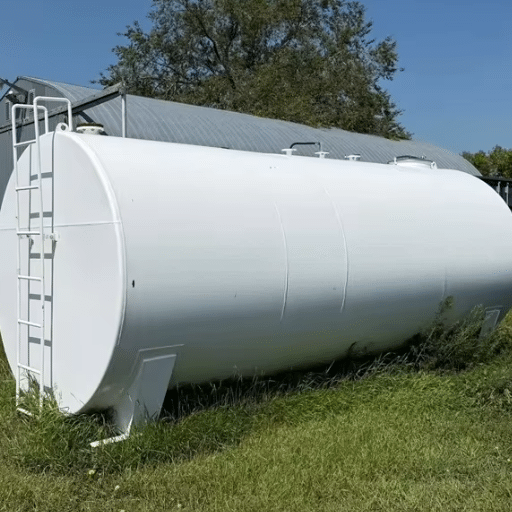
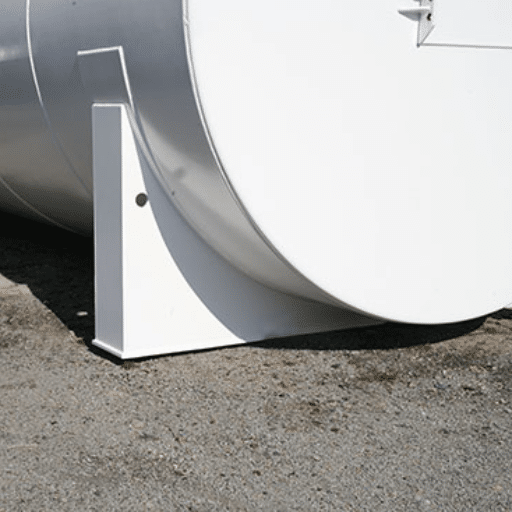
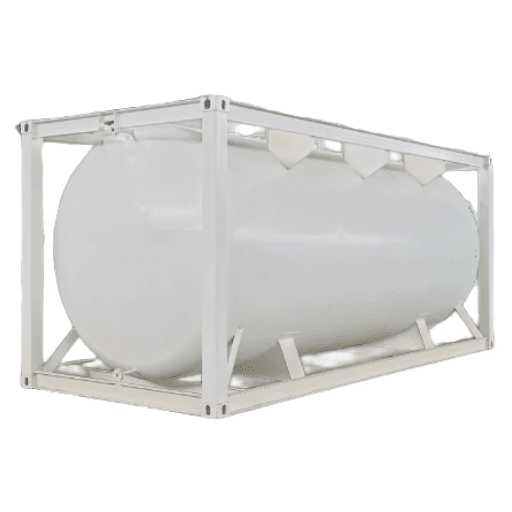
A carbon steel fuel storage tank is a welded vessel made from carbon steel plate. It stores gasoline, diesel, jet fuel, fuel oil, or other petroleum products. Carbon steel offers high tensile strength, good weldability, and lower material cost than stainless steel. That combination makes it the default choice for bulk fuel terminals, power plant backup systems, and many aboveground and underground fueling installations.
Carbon steel is not naturally corrosion resistant. Bare steel rusts when exposed to moisture, oxygen, and certain fuel contaminants. In fuel service, the risk is both external and internal. Soil, water, and weather attack the outside. Water bottoms, ethanol blends, biodiesel, and microbial growth attack the inside. For this reason, carbon steel tanks are almost always supplied with protective coatings, cathodic protection, double-wall construction, or a combination of these.
Most carbon steel fuel tanks fall into one of three design categories:
- Single-wall tanks. One steel shell. Lowest upfront cost, but usually requires additional spill containment or approved coating systems to meet modern environmental rules.
- Double-wall tanks. A primary tank nested inside a secondary outer shell. The interstitial space is monitored for leaks. This is now the standard for many new underground installations.
- Jacketed or hybrid tanks. A carbon steel primary tank wrapped in a fiberglass-reinforced plastic (FRP) jacket. These SF double-wall designs combine steel strength with external corrosion protection and built-in leak monitoring.
If you want a deeper look at how double-wall designs reduce risk, read our guide to double wall storage tanks. It covers interstitial monitoring, secondary containment rules, and when double-wall construction is mandatory.
Where Carbon Steel Tanks Fit in the Fuel Storage Market
The global fuel storage tank market was valued at roughly $15.3 billion in 2024. It is projected to grow at a 4.5–4.7% CAGR through the early 2030s. Steel remains the dominant material, accounting for an estimated 61.7% of the market by material type.
Carbon steel is the largest sub-segment within steel. It delivers the strength and affordability buyers need for large-capacity and high-pressure applications.
However, market share is not universal across all installations. In the North American underground storage tank (UST) market, fiberglass has grown from less than 10% of new installations to approximately 75% over the past 35 years. The shift reflects stricter environmental rules. It also reflects concerns about internal corrosion in ethanol-blended fuels, plus the long warranties fiberglass manufacturers can offer.
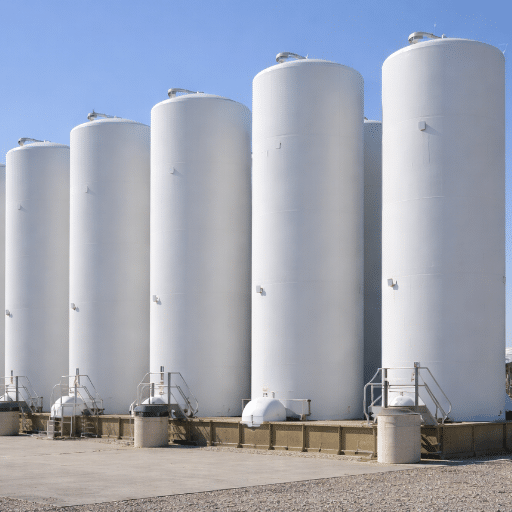
Carbon steel still dominates large aboveground bulk storage. It also leads in high-pressure service and in markets where local codes permit coated steel underground designs.
For more information, please read our article on carbon steel underground storage tanks.
A Real-World Example: Bulk Terminal in West Africa
When a logistics contractor needed four 50,000-liter diesel tanks for a mining support depot near the coast, fiberglass was rejected early. The site needed aboveground tanks with crane-lifted modules. It also needed high structural strength for seismic loading and compatibility with a future generator farm. Carbon steel double-wall tanks with epoxy internal lining and external polyurethane coating met every requirement. They also cost roughly 30% less than an equivalent FRP option. The decision was not about which material is “better.” It was about which material matched the application.
Key Specifications to Compare
Buying a carbon steel fuel tank is not simply a matter of choosing capacity. The specifications below determine whether the tank will pass inspection, resist corrosion, and integrate with the rest of your fueling system.
Capacity and Dimensions
Capacities for shop-fabricated carbon steel fuel tanks commonly range from 1,000 liters to 60,000 liters for gas station and industrial applications. Larger field-erected tanks can exceed hundreds of thousands of gallons. The right capacity depends on delivery frequency, peak demand, and regulatory reserve requirements. Oversizing adds cost and can increase fuel aging issues; undersizing leads to frequent deliveries and higher logistics costs.
Wall Thickness and Steel Grade
Wall thickness is specified according to design pressure, hydrostatic load, corrosion allowance, and applicable codes. Common carbon steel grades include ASTM A36, A283, A285, and A516, depending on pressure and temperature requirements. For pressure vessels or low-temperature service, engineers may specify normalized or impact-tested grades. A corrosion allowance, extra wall thickness, often 1–3 mm, extends service life in corrosive environments.
Internal and External Coatings
Coatings are the main defense against corrosion. Internal linings are typically epoxy, phenolic, glass-flake, or rubber compounds chosen for compatibility with the stored fuel. External coatings protect against atmospheric corrosion or soil exposure and often include epoxy primers, polyurethane topcoats, or FRP laminates. Coatings must be applied under controlled conditions and inspected for holidays (pinholes) before commissioning.
Accessories and Fittings
A complete tank specification should include:
- Manholes and inspection ports for cleaning and internal examination
- Inlet, outlet, and vent connections sized for your flow rates
- Overfill prevention valves and high-level alarms
- Pressure/vacuum relief vents to prevent rupture or collapse
- Liquid-level gauges or connections for automatic tank gauge (ATG) systems
- Interstitial leak detection sensors for double-wall tanks
- Sacrificial anodes or cathodic protection terminals for buried tanks
For a detailed comparison, please read our article on carbon steel tank vs stainless steel tank.
Standards and Certifications That Matter

Compliance is not optional, and codes vary by region. Requesting the right certifications early prevents costly redesigns during permitting.
UL 58 and UL 1746 for Underground Steel Tanks
UL 58 covers steel underground tanks for flammable and combustible liquids. It addresses single-wall and double-wall bare steel construction, steel thickness, and performance testing. UL 1746 covers external corrosion protection systems for steel underground tanks, including cathodic protection, coatings, and FRP jackets.
UL 142 for Aboveground Tanks
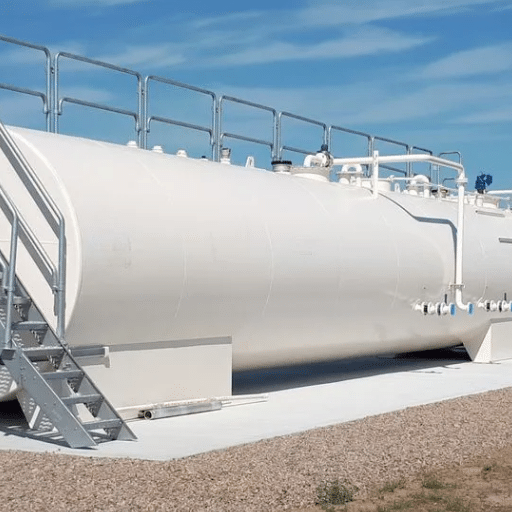
UL 142 applies to aboveground steel tanks for flammable and combustible liquids. It covers steel thickness, venting, leak testing, and markings. If you are installing an aboveground carbon steel tank, UL 142 certification is commonly required by insurers and regulators.
API 650 and API 653
API 650 governs the design, fabrication, and erection of welded steel aboveground storage tanks. API 653 covers in-service inspection, repair, alteration, and reconstruction of these tanks. For large bulk storage terminals, API standards are the global benchmark. For standard information, please read our article on carbon steel tank welding and fabrication.
NFPA 30 and EPA UST Regulations
NFPA 30 is the flammable and combustible liquids code used widely in the United States. In the U. S., underground storage tanks are also regulated under 40 CFR 280, which requires corrosion protection, spill and overfill prevention, and release detection. State programs often add stricter requirements.
EN 12285-1 and Regional Codes
In Europe, EN 12285-1 specifies welded steel tanks for hydrocarbons, both aboveground and underground. Buyers in the Middle East, Africa, Southeast Asia, and Latin America should confirm whether local regulations accept UL, EN, API, or a specific national certification.
If your project involves buried tanks, our guide to underground fuel tanks explains burial depth, backfill, and leak detection in more detail.
Carbon Steel vs. Fiberglass Fuel Storage Tanks
The carbon steel versus fiberglass debate is common, but the answer depends on fuel type, installation method, pressure, and lifecycle budget. The table below summarizes the practical differences.
| Factor | Carbon Steel | Fiberglass (FRP) |
|---|---|---|
| Upfront cost | Lower | Higher |
| Structural strength | High; suitable for pressure and large aboveground tanks | Lower; atmospheric/low pressure typical |
| Corrosion resistance | Requires coatings, linings, cathodic protection | Inherent; resists soil, water, many fuels |
| Weight | Heavy; may require heavier lifting equipment | Lightweight; easier transport and placement |
| Fuel compatibility | Good for standard fuels; monitor ethanol/biodiesel | Can be engineered for ethanol, biodiesel, ULSD |
| Maintenance | Coating inspection and renewal needed | Minimal surface inspection |
| Typical lifespan | 20–40+ years with proper maintenance | 30+ years, often with long warranties |
| Repair | Easier to weld and patch | Requires specialized FRP repair |
Choose carbon steel when upfront cost, structural strength, pressure service, or large aboveground capacity is the priority. Choose fiberglass when long-term corrosion resistance, low maintenance, and compatibility with aggressive fuels matter most. For buyers who want both, steel-FRP hybrid tanks offer a middle path.
Corrosion Protection: The Make-or-Break Factor

Corrosion is the leading cause of UST failure. Research summarized by the U. S. EPA found that 83% of inspected diesel underground storage tanks showed moderate or severe corrosion of internal metal components. Fewer than 25% of owners were aware of the issue before inspection. The annual direct corrosion cost for USTs has been estimated at roughly $2.5 billion. For carbon steel tanks, protection is not an afterthought. It is the core of the design. To achieve the best protection effect, please read our article on carbon steel tank corrosion protection.
Protective Coatings and Linings
Internal linings keep fuel chemistry away from the steel. External coatings keep soil, water, and oxygen away. The most common systems include:
- Epoxy and phenolic linings for gasoline and diesel
- Glass-flake coatings for aggressive service
- Rubber or polyurethane linings for special fuels
- External epoxy-polyurethane or FRP laminate systems for buried tanks
Coatings must be selected for fuel compatibility and applied under quality-controlled conditions. A poorly applied lining can fail faster than no lining at all.
Want a deeper look at how to choose a lining for your stored liquid? Our carbon steel tank coating and lining guide walks through service-specific selection in more detail.
Cathodic Protection
Cathodic protection uses sacrificial anodes (zinc or magnesium) or impressed-current systems to make the tank the cathode in an electrochemical cell. This prevents the steel from corroding. For underground carbon steel tanks, cathodic protection is often mandatory under environmental regulations.
Interstitial Monitoring
Double-wall and jacketed tanks include a monitored space between the inner and outer shells. Sensors detect fuel or vapour in the gap and trigger alarms before a release reaches the environment. This is one of the most effective ways to manage the risk of both internal and external leaks.
If corrosion protection is a major concern for your project, our fuel storage tank solutions page outlines bundled options for coatings, monitoring, and compliance support.
For long-term asset planning, our carbon steel tank maintenance and lifespan guide explains how inspection cycles protect your investment.
Sizing and Selecting the Right Tank
Choosing a tank size is about more than matching your current fuel volume. You need to balance demand patterns, delivery logistics, code requirements, and site constraints.
Estimate Fuel Demand and Reserve
Start with average daily consumption and peak-day demand. Then add the reserve capacity required between deliveries. Many gas station designs use a 5- to 10-day supply, depending on supplier reliability and seasonal demand. Industrial sites may need larger reserves for emergency generator fuel or remote operations.
Single-Compartment vs. Multi-Compartment
A single-compartment tank stores one fuel type. Multi-compartment tanks allow gasoline, diesel, and sometimes alternative fuels to share one buried footprint. This reduces excavation and backfill costs but adds complexity to piping, leak detection, and inventory management.
Installation and Site Constraints
Aboveground tanks need containment berms or dikes sized to hold 100% or 110% of the largest tank volume, depending on local rules. Underground tanks need proper excavation, bedding, backfill, and separation from buildings, utilities, and water sources. Seismic zones, high water tables, and corrosive soils all affect tank selection and protection requirements.
For full cost breakdown information, read our dedicated guide to carbon steel tank cost.
Mini-Story: The Wrong Sizing Decision
A fleet operator in Southeast Asia specified a single 30,000-liter diesel tank to save on civil costs. Within two years, fuel theft, evaporation losses, and inaccurate manual dipping revealed a deeper problem: the tank was too large for the weekly delivery cycle. Fuel sat long enough for water to separate and support microbial growth, accelerating internal corrosion. Splitting the volume into two smaller compartments with an automatic tank gauge system would have cost more upfront but would have paid for itself in reduced losses and longer tank life.
Maintenance, Inspection, and Safety Best Practices

A carbon steel fuel tank can last 20 to 40 years or more with proper maintenance. Neglect can cut that lifespan in half and turn a tank into an environmental liability.
Recommended Inspection Schedule
- Monthly: Visual inspection of external surfaces, coatings, supports, and containment areas
- Quarterly: Check cathodic protection readings, leak detection alarms, and ATG calibration
- Annually: Inspect manholes, fittings, seals, and overfill prevention devices
- Every 3–5 years: Internal inspection if required by code or if corrosion is suspected; ultrasonic thickness testing
- Per API 653: Formal inspection intervals for aboveground tanks based on tank condition and service
Common Failure Modes to Watch
- External corrosion at damaged coating areas or weld seams
- Internal pitting from water bottoms, ethanol cross-contamination, or microbial activity
- Settlement or foundation movement causing stress on nozzles and welds
- Overfill events damaging seals and vapor recovery systems
- Blocked vents causing pressure or vacuum damage
Why Source from an Experienced Manufacturer
Selecting a tank is only part of the project. Fabrication quality, coating application, documentation, and export logistics determine whether the tank arrives on site ready for commissioning. An experienced manufacturer can help you match the tank specification to your local code, recommend the right corrosion protection system, and supply the fittings needed for integration with fuel dispensers, ATG systems, and leak detection networks.
At Shandong Shengrui Intelligent Equipment Co., Ltd., we build carbon steel fuel storage tanks and complete fueling systems for projects worldwide. Our team supports buyers through capacity sizing, coating selection, certification planning, and installation guidance. Whether you need a single underground tank or a fully integrated skid-mounted gas station, we engineer solutions that meet the standards your project demands.
Conclusion
Carbon steel fuel storage tanks remain a proven, cost-effective choice for gas stations, industrial depots, and bulk fuel terminals. Their strength, weldability, and lower material cost make them ideal for large-capacity and high-pressure applications. But those advantages come with a clear responsibility: corrosion must be managed through coatings, cathodic protection, double-wall construction, or hybrid FRP jacketing.
Before you buy, confirm the tank capacity matches your demand and delivery cycle, the steel grade and wall thickness suit your design pressure and soil conditions, the coatings are compatible with your fuel, the certifications match your local regulations, and the supplier can support installation and long-term maintenance.
If you are planning a fuel storage project and need specifications for a carbon steel tank, contact our engineering team. We will review your site requirements, recommend the right configuration, and provide a quote tailored to your standards and timeline.
Key Takeaways
- Carbon steel fuel storage tanks offer high strength and lower upfront cost, but they require corrosion protection to reach their full service life.
- Common designs include single-wall, double-wall, and steel-FRP hybrid tanks, each suited to different risk profiles and budgets.
- UL 58, UL 1746, UL 142, API 650/653, NFPA 30, EN 12285-1, and local UST regulations are the key certifications to verify.
- Fiberglass may be better for low-maintenance underground corrosion resistance; carbon steel excels in structural, pressure, and large aboveground applications.
- Proper sizing, coating selection, cathodic protection, and inspection schedules protect both your investment and the environment.
- Partnering with a manufacturer experienced in global fuel projects reduces compliance risk and simplifies installation.