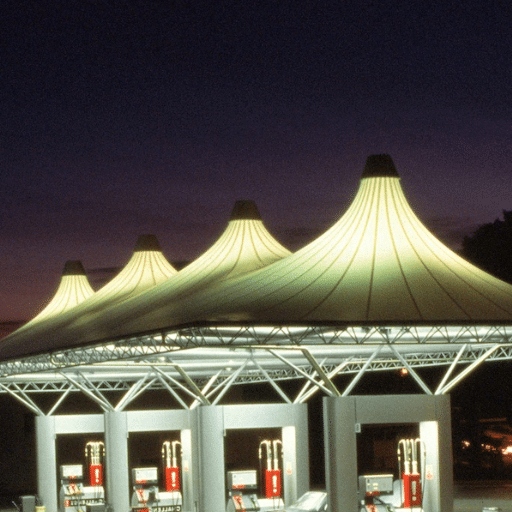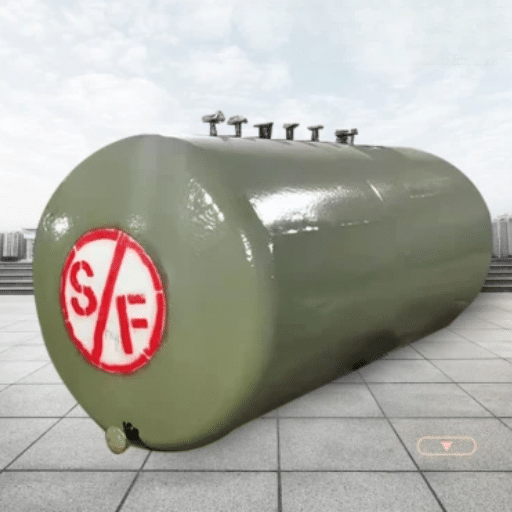
A facility manager in Southeast Asia once specified “tank coating” for a new carbon steel diesel storage tank. Six months after commissioning, the internal surface began blistering. The root cause was not the coating quality. The specification had treated external atmospheric protection and internal immersion lining as the same thing. The wrong system was applied to the wrong environment.
If you source, specify, or maintain carbon steel tanks, you have probably faced similar confusion. Product labels overlap. Supplier claims conflict. And a single specification mistake can cut tank life from decades to a few years. This carbon steel tank coating and lining guide explains how to match the right protective system to your service environment, then specify, apply, and inspect it for long-term performance.
In this article, you will learn:
- The clear difference between tank coating and tank lining
- Which lining chemistry fits fuel, water, chemical, and abrasive service
- A five-step process for selecting a carbon steel tank lining
- Surface preparation standards that determine success or failure
- Application, curing, inspection, and testing requirements
- Common failure modes and how to prevent them
Want a deeper look at carbon steel grades and applications? Read our complete carbon steel tank buyer’s guide before making your final decision.
Tank Coating vs. Tank Lining: What Is the Difference?
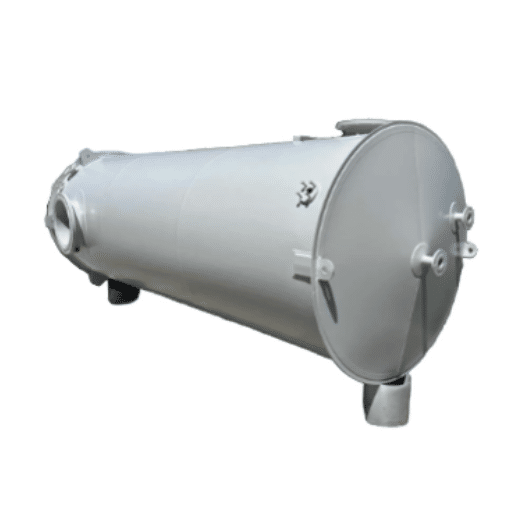
The terms are often used interchangeably, but they describe two different jobs. Confusing them in procurement is one of the fastest ways to create a premature failure.
Tank Coating: External Atmospheric Protection
A tank coating protects the outside of a carbon steel tank from rain, humidity, UV radiation, temperature cycling, and atmospheric pollutants. It acts as a barrier that slows electrochemical corrosion of the shell, roof, and structural steel.
A typical external coating system for carbon steel tanks includes:
- A zinc-rich primer for cathodic protection at cut edges and scratches
- An epoxy intermediate coat for barrier protection and build
- A polyurethane or fluoropolymer topcoat for UV resistance and color retention
These systems are usually specified under ISO 12944, AWWA D102, or project-specific paint schedules. They are not designed for continuous immersion in fuel, chemicals, or water.
Tank Lining: Internal Immersion Protection
A tank lining protects the inside surface from the stored product. It must resist continuous or intermittent immersion, chemical attack, temperature cycles, and mechanical abrasion. Carbon steel tank lining selection depends almost entirely on what the tank will hold.
Common lining chemistries include epoxy, phenolic epoxy, novolac epoxy, vinyl ester, rubber, and glass-flake reinforced systems. Each has a different resistance profile, application method, and dry film thickness requirement.
Why the Distinction Matters for Procurement
When a scope document simply says “tank coating,” contractors may bid external paint systems only. The internal lining may be omitted, underspecified, or mismatched to the fluid. The result is either a failed internal surface or an unnecessary upgrade that inflates cost.
Clear procurement documents should separate:
- External coating system and color scheme
- Internal lining system by tank or compartment
- Surface preparation standard for each zone
- Inspection and acceptance criteria
For a deeper understanding, please read our carbon steel fuel storage tanks guide.
Common Coating and Lining Systems for Carbon Steel Tanks
Understanding the main options helps you ask better questions and evaluate supplier proposals. The right carbon steel tank coating or lining is the one that matches the service envelope, not the one with the most familiar brand name.
Epoxy Tank Linings
Epoxy linings are the most widely used internal barrier for carbon steel tanks. They offer good adhesion, chemical resistance, and mechanical properties at moderate cost. Standard epoxy tank linings are suitable for:
- Potable and industrial water
- Wastewater and sewage
- General fuel storage, including gasoline and diesel
- Mild chemicals and neutral pH environments
Typical dry film thickness ranges from 300 to 500 µm. Amine-cured or polyamide-cured epoxy systems are common. For fuel service, confirm compatibility with ethanol or biodiesel blends, since these can stress conventional epoxies over time.
Phenolic and Novolac Epoxy Linings
Phenolic epoxy and novolac epoxy linings offer higher crosslink density and better resistance to hydrocarbons, aromatics, solvents, and elevated temperatures. They are often used for:
- Refined petroleum products
- Aromatic solvents
- Sour crude and aggressive hydrocarbons
- Hot crude oil or elevated-temperature service
Novolac systems generally outperform standard phenolic epoxies in severe chemical and thermal conditions. Typical DFT ranges from 400 to 600 µm, often applied in multiple coats.
Vinyl Ester Tank Linings
Vinyl ester linings provide strong resistance to acids, alkalis, and oxidizers such as sodium hypochlorite. They are common in:
- Chemical storage tanks
- Chlor-alkali plants
- Bleach and acid service
- Wastewater treatment facilities
Vinyl ester systems are typically more expensive than epoxies but are justified when chemical exposure is aggressive.
Rubber Tank Linings
Rubber linings are chosen for abrasion, impact, and slurry service rather than pure chemical resistance. Applications include:
- Mining slurry tanks
- Plating and metal finishing tanks
- Tanks handling coarse solids
Rubber linings are usually applied as sheet or spray systems and require specialized curing.
Glass-Flake Reinforced Coatings
Glass-flake coatings create a longer diffusion path for moisture and chemicals, improving barrier performance. They are used for:
- Severe chemical immersion
- Offshore and marine environments
- High-abrasion service
- Tanks requiring film builds of 500 to 1000 µm
The glass flakes add mechanical reinforcement and reduce permeability compared to conventional filled epoxies.
Polyurethane and Polyurea Coatings
Polyurethane coatings are often used for exterior UV and abrasion resistance. Polyurea spray linings cure rapidly and can form thick, seamless membranes. However, not all polyurethane or polyurea systems are rated for continuous immersion. Always confirm chemical compatibility and immersion certification with the manufacturer.
Fusion-Bonded Epoxy (FBE)
FBE is a powder coating applied to buried pipe, fittings, and tank components. It provides excellent adhesion, cathodic disbondment resistance, and long-term corrosion protection for soil-side and underground surfaces.
Lining Selection Matrix by Service
| Stored Product | Recommended Lining Type | Typical DFT |
|---|---|---|
| Potable water | Epoxy (NSF/ANSI 61 certified) | 300–500 µm |
| Industrial wastewater | Epoxy or vinyl ester | 300–500 µm |
| Gasoline / diesel | Epoxy or phenolic epoxy | 300–500 µm |
| Aromatic solvents / sour crude | Novolac epoxy | 400–600 µm |
| Strong acids / bleach | Vinyl ester | 400–600 µm |
| Slurry / abrasive solids | Rubber or glass flake | 500–1000 µm |
| External atmospheric service | Zinc-epoxy-polyurethane | 200–350 µm |
Project tip: If you are comparing quotes for a fuel station project, ask suppliers to state the lining resin chemistry, DFT range, and compliance with fuel storage tank internal lining standards. A low bid with an unspecified epoxy may not survive ethanol-blended fuels or high-temperature product cycling.
How to Choose a Carbon Steel Tank Lining in 5 Steps

Selecting a lining is not just about picking a product. It is about defining the risk and matching the system to it. Follow this five-step workflow.
Step 1: Define the Service Envelope
Document everything the lining will face:
- Chemical name, concentration, and pH range
- Maximum and minimum operating temperatures
- Continuous immersion versus intermittent splash or vapor exposure
- Presence of solids, abrasives, or biological activity
- Cleaning chemicals and procedures
- Regulatory requirements such as NSF/ANSI 61 for potable water
Without this information, even a high-quality lining can be the wrong lining.
Step 2: Assess the Carbon Steel Substrate
New carbon steel is easier to prepare than an existing tank with pitting, rust, or previous coating failures. For older tanks, evaluate:
- Remaining wall thickness
- Extent of pitting and corrosion
- Weld quality and edge condition
- Previous lining type and failure mode
- Presence of oil, grease, or soluble salts
In some cases, aggressive pitting may require structural repair before lining application.
Step 3: Select the Lining System by Risk, Not Only Cost
A standard epoxy may be the right choice for water or mild fuel. Aggressive chemicals, aromatics, or high temperatures justify novolac epoxy, vinyl ester, or glass-flake systems. Choosing a lower-cost system for a high-risk service usually increases lifecycle cost through premature failure and reline downtime.
Step 4: Specify Thickness, Surface Prep, and Inspection
Define acceptance criteria before work begins:
- Target dry film thickness and measurement standard
- Surface preparation grade, such as SSPC-SP10 / NACE No. 2 or ISO 8501-1 Sa 2½
- Anchor profile range
- Soluble salt limits
- Holiday testing method and voltage
- Adhesion test requirements
Clear specifications reduce disputes and ensure the lining performs as intended.
Step 5: Plan for Repair and Recoating
Every lining has a finite service life. Plan inspection intervals, repair procedures, and recoat windows. Keep records of the original system, application conditions, and test results. These records make future maintenance faster and more accurate.
To learn more information, please click to view our guide about carbon steel water storage tanks.
Surface Preparation: The Foundation of Lining Performance
Industry sources frequently cite that 60% to 80% of coating failures are attributable to inadequate surface preparation. For carbon steel tank lining, this step is not optional. It is the foundation of adhesion and long-term performance.
Cleaning and Degreasing
Remove oil, grease, drilling fluids, mill scale, rust, and other contaminants before blasting. Solvent cleaning, detergent washing, or steam cleaning may be required depending on the tank history.
Abrasive Blast Cleaning
Most internal tank linings require near-white metal blast cleaning. Common specifications include:
- SSPC-SP10 / NACE No. 2 (near-white blast)
- ISO 8501-1 Sa 2½
- SSPC-SP5 / Sa 3 (white metal blast) for severe service
Blast cleaning creates the anchor profile the lining needs to mechanically bond to the steel.
Anchor Profile Requirements
The required surface profile depends on the lining system. Typical ranges are:
- 40–75 µm for thin-film epoxies
- 50–100 µm for high-build epoxies and phenolics
- 75–150 µm for glass-flake and thick-film systems
Profile is measured using replica tape, depth micrometers, or stylus instruments per ASTM D4417.
Soluble Salt Testing
Soluble salts left on the steel surface can cause osmotic blistering after the lining is applied. Chloride limits commonly target 20 mg/m² or lower. Test methods include Bresle patch testing per ISO 8502-6 and ISO 8502-9.
Environmental Controls
Apply linings only when conditions support curing and adhesion. Typical requirements include:
- Surface temperature at least 3°C above dew point
- Relative humidity below 85%
- Adequate ventilation and air circulation
- Protected conditions during cure
To achieve the best protection effect, please read our article on carbon steel tank corrosion protection.
Application Methods and Curing

Even the right lining will fail if it is applied incorrectly. Method selection depends on tank geometry, access, and film build requirements.
Spray Application
Airless or conventional spray is efficient for large, open surfaces. It provides consistent film build and is commonly used for epoxy and phenolic systems. Spray operators must maintain the correct overlap, travel speed, and tip pressure to avoid runs or thin spots.
Brush and Roller Application
Brushes and rollers are used for stripe coats on welds, edges, nozzles, and corners. These areas are high-stress points where spray alone may leave thin films. A proper stripe coat is one of the best defenses against under-film corrosion.
Trowel Application
Trowels are used for thick-film systems such as glass-flake epoxies or high-build novolacs. This method is labor-intensive but gives precise control over thick builds in small areas.
Wet Film Thickness Control
Measure wet film thickness during application using a comb gauge. This verifies that the applied coating will achieve the specified DFT after solvent evaporation. WFT targets are calculated from the solids volume and desired DFT.
Curing Requirements
Cure time depends on temperature, humidity, and product chemistry. Some systems cure at ambient temperature over several days. Others require heat-assisted curing at 60°C to 90°C to reach full chemical resistance. Cure verification may include:
- MEK or solvent rub tests
- Shore D hardness tests
- Manufacturer-specified elapsed time before immersion
Never return a tank to service before the lining has reached full cure.
Inspection, Testing, and Acceptance
Inspection confirms that the specified system was applied correctly. A complete inspection package protects both the owner and the applicator.
Dry Film Thickness Measurement
DFT is measured with calibrated magnetic or eddy-current gauges. Common standards include ISO 19840 and SSPC-PA 2. Gauges must be calibrated using shims over the actual blast profile. Measurements are taken across floors, walls, roofs, welds, and nozzles.
Holiday Testing
Holiday testing detects pinholes, voids, and discontinuities that expose the substrate. Standards include NACE SP0188, ASTM D5162, and ISO 29601. Method selection depends on lining thickness:
- Low-voltage wet sponge testing for thin films up to approximately 500 µm
- High-voltage DC spark testing for thicker linings
High-voltage test voltages are typically calculated at 100–125 V per 25 µm of lining thickness, but always follow the manufacturer’s recommendation.
Adhesion Testing
Adhesion testing confirms that the lining bonds to the steel and between coats. Methods include:
- ISO 4624 / ASTM D4541 pull-off adhesion testing
- ISO 2409 / ASTM D3359 cross-cut testing for thinner films
Minimum adhesion values are usually defined in the project specification.
Cure Verification
Cure verification may include solvent rub tests, hardness measurements, or elapsed time confirmation. The goal is to ensure the lining has reached sufficient crosslink density before exposure to the stored product.
Visual Inspection and Documentation
A final visual inspection checks for runs, sags, pinholes, missed stripe coats, and contamination. The full documentation package should include:
- Surface preparation records
- Environmental conditions
- WFT and DFT measurements
- Holiday test results
- Adhesion test results
- Cure verification records
- Material batch numbers and certificates
Need help building an inspection-ready tank specification? Contact our engineering team for coating-compatible carbon steel tank options and project documentation support.
Common Tank Lining Failures and How to Prevent Them
Understanding failure modes helps you write better specifications and interpret early warning signs.
Blistering
Blisters form when liquid or gas accumulates between the lining and the steel. Common causes include:
- Soluble salts left on the substrate
- Moisture trapped under the film
- Solvent entrapment from thick application
- Permeation from the stored product
Prevention starts with thorough surface preparation, salt testing, controlled application thickness, and adequate cure.
Delamination
Delamination occurs when the lining loses adhesion and peels away. Causes include:
- Poor surface preparation
- Intercoat contamination
- Exceeding the recoat interval between coats
- Incompatible primer and topcoat systems
Prevention requires clean, properly profiled steel and strict adherence to recoat windows.
Corrosion Under Lining
Corrosion under lining happens when product reaches the steel through pinholes, thin spots, or weld defects. The lining may look intact while corrosion spreads underneath. Causes include:
- Missed stripe coats on welds and edges
- Inadequate DFT in critical areas
- Holidays not detected during testing
Prevention requires 100% holiday testing, proper stripe coats, and sufficient film build.
Softening and Swelling
Softening indicates chemical incompatibility or incomplete cure. The lining may become tacky, lose hardness, or increase in volume. Prevention requires confirming chemical resistance with the manufacturer and verifying cure before service.
Stress Cracking
Stress cracking can occur from excessive film build, thermal cycling, or poor flexibility. Prevention requires following the manufacturer’s maximum DFT per coat and total system build.
For detailed information, please refer to our carbon steel chemical storage tanks guide.
Cost Factors and Lifecycle Considerations

Tank lining cost is driven by more than material price. A lifecycle view usually favors the right system over the cheapest system.
Material Cost Drivers
- Resin chemistry: novolac, vinyl ester, and glass-flake systems cost more than standard epoxies
- Solids content: 100% solids systems reduce VOC emissions but may cost more per liter
- Film build: thicker systems require more material
- Certification: NSF/ANSI 61, FDA, or specific industry approvals add testing cost
Application Cost Drivers
- Surface preparation complexity, especially for older or contaminated tanks
- Confined-space entry and safety controls
- Environmental controls for temperature and humidity
- Access scaffolding, ventilation, and lighting
- Inspection and testing scope
Lifecycle Value
A higher-performance carbon steel tank lining often reduces total cost by extending service intervals and avoiding unplanned downtime. For critical fuel, chemical, or water storage assets, lifecycle value should outweigh first-cost savings.
Frequently Asked Questions
What is carbon steel tank coating?
Carbon steel tank coating is a protective barrier applied to the external or internal surfaces of a carbon steel tank to prevent corrosion, chemical attack, and mechanical damage. External coatings protect against atmospheric exposure, while internal linings protect against the stored product.
What is the difference between tank coating and tank lining?
Tank coating usually refers to external atmospheric protection. Tank lining refers to internal immersion protection. The two systems use different chemistries, thicknesses, and performance standards. Mixing the terms in procurement can lead to specification errors.
What is the best coating for carbon steel tanks?
The best coating depends on the service environment. Standard epoxy systems work well for water and mild fuel. Phenolic or novolac epoxies are better for aromatic hydrocarbons and elevated temperatures. Vinyl ester systems are preferred for strong acids and oxidizers.
How thick should a tank lining be?
Typical DFT ranges are 300–500 µm for standard epoxy linings, 400–600 µm for phenolic or novolac systems, and 500–1000 µm for glass-flake or rubber linings. The project specification should define the required thickness based on service conditions.
What surface preparation is required for tank lining?
Most internal linings require near-white metal blast cleaning to SSPC-SP10 / NACE No. 2 or ISO 8501-1 Sa 2½. Severe service may require SSPC-SP5 / Sa 3. Surface profile, soluble salts, and environmental conditions must also meet specification limits.
What is holiday testing in tank linings?
Holiday testing detects pinholes and discontinuities in a cured lining using low-voltage wet sponge or high-voltage spark methods. It is required for most immersion-service linings to confirm that the substrate is fully covered.
How long does a tank lining last?
Service life depends on the lining chemistry, operating conditions, and maintenance. Well-applied epoxy linings in moderate service may last 10 to 15 years. High-performance systems in well-maintained tanks can last 20 years or more.
What causes tank lining failure?
Most failures are caused by inadequate surface preparation, application errors, chemical incompatibility, or insufficient cure. Poor specification and lack of inspection are also major contributors.
Conclusion
Choosing the right carbon steel tank coating or lining is a specification discipline, not a product guess. The correct approach starts with the service environment, selects the lining chemistry and thickness to match it, then enforces surface preparation, application, and inspection standards that prevent failure.
For fuel storage, water storage, chemical service, or industrial processing, the principles are the same. Define the risk. Specify the system. Control the process. Inspect the result.
If you are planning a carbon steel tank project and need a coating-compatible design from the start, contact Shandong Shengrui for a project-specific specification and quote. We supply certified carbon steel and SF double-wall storage tanks engineered for global fuel, water, and industrial applications.