Gasoline vapors ignite at approximately 280°C. A single spark from uncertified electrical equipment can trigger a catastrophic explosion at the pump island, endangering lives, destroying infrastructure, and exposing station owners to severe liability. Despite this reality, many buyers still struggle to match equipment ratings to hazardous zone classifications while navigating conflicting standards across global markets.
If you are planning a new fueling facility, upgrading an existing site, or simply trying to make sense of certification labels, this guide is for you. We will cover everything you need to know about explosion-proof gas station equipment: how hazardous areas are classified, what protection methods actually mean, which global certifications matter, and how to select equipment that keeps your operation compliant and safe.
In the sections ahead, you will learn:
- The engineering principles behind explosion-proof containment
- How Zone 0, Zone 1, and Zone 2 classifications determine equipment selection
- The difference between Ex d, Ex e, Ex i, and other protection methods
- Certification requirements for ATEX, IECEx, UL, and Chinese markets
- Real-world cost ranges and ROI for compliant systems
- 2025-2026 trends reshaping the industry, including hydrogen readiness and IoT integration
What “Explosion-Proof” Actually Means?

The Containment Principle
The term “explosion-proof” does not mean a device survives a blast. Instead, it refers to an engineering approach that contains any internal ignition within the equipment enclosure, then cools the escaping gases through precisely machined flame paths before they reach the external atmosphere. If a spark ignites vapor inside a certified junction box, the explosion is trapped. Hot gases escape through narrow channels that dissipate heat, dropping the temperature below the ignition point of surrounding fuel vapors.
This distinction matters because many buyers assume explosion-proof equipment is simply rugged. Ruggedness helps, but the critical safety mechanism is the flame-path design. Without it, even a heavy steel box could propagate ignition to the surrounding environment.
Key Engineering Features
Certified explosion-proof enclosures share several design characteristics:
- Flame-path sealing: Machined joints and gaps that cool escaping gases
- Temperature ratings (T-ratings): Maximum surface temperatures that stay well below fuel auto-ignition points
- Vapor-tight gaskets: Seals that prevent flammable gases from entering the enclosure under normal conditions
- Rugged enclosures: Cast aluminum or stainless steel housings that withstand internal pressure and physical impact
Featured Snippet Target: Explosion-proof gas station equipment is engineered electrical and mechanical equipment designed to contain internal sparks or explosions without igniting flammable vapors in hazardous areas. It uses flame-path cooling, sealed enclosures, and temperature limits to prevent catastrophic ignition at fueling facilities.
The right safety systems work together. For example, explosion-proof enclosures should be paired with reliable spill containment systems to address both vapor and liquid fuel risks.
Hazardous Area Classification at Gas Stations
The Zone System (ATEX / IECEx / Global)
Hazardous area classification is the foundation of explosion-proof equipment selection. The globally recognized Zone system, defined by IEC 60079 and adopted under ATEX Directive 2014/34/EU, divides gas station environments into three zones based on the likelihood and duration of explosive atmosphere presence.
Zone 0 refers to areas where explosive gas atmospheres are present continuously or for long periods. Inside underground fuel storage tanks and in vapor spaces above liquid fuel, conditions meet Zone 0 criteria. Equipment installed in Zone 0 must carry Equipment Protection Level (EPL) Ga and Category 1 certification. Only intrinsic safety (Ex ia) or specially certified equipment is suitable here.
Zone 1 covers areas where explosive atmospheres are likely to occur periodically during normal operation. At a gas station, Zone 1 typically includes the immediate vicinity around fuel dispensers, vent pipes, and tank filling connections. Equipment for Zone 1 requires EPL Gb and Category 2 certification. Flameproof enclosures (Ex d) and increased safety designs (Ex e) are commonly used in these locations.
Zone 2 applies where explosive atmospheres are unlikely during normal operation, and if they do occur, they persist only for a short time. General forecourt areas, away from direct vapor sources, typically fall under Zone 2 classification. Equipment here needs EPL GC and Category 3 certification. Non-sparking (Ex n) and certain pressurized (Ex p) devices are acceptable in Zone 2.
If you are not sure which certification you need, you can check out our article on ATEX vs IECEx vs UL.
The Class and Division System (NEC / North America)
In North America, the National Electrical Code (NEC Articles 500-505) and NFPA 30A use a Class and Division framework that maps closely to the Zone system.
Class I, Division 1 corresponds approximately to Zone 0 and Zone 1 combined. It covers locations where flammable gases or vapors exist under normal operating conditions. Fuel dispenser islands and tank vents in the United States and Canada are typically treated as Class I, Division 1.
Class I, Division 2 aligns roughly with Zone 2. These are locations where flammable vapors exist only under abnormal conditions, such as equipment failure or accidental release. General canopy and forecourt areas often qualify as Division 2.
NFPA 30A, the Code for Motor Fuel Dispensing Facilities, provides specific guidance on electrical installations at gas stations in North America. It references these classifications to determine wiring methods, equipment ratings, and installation clearances.
Zone vs. Division Quick Reference
| Zone System (IEC/ATEX) | Division System (NEC) | Atmosphere Presence | Typical Gas Station Location |
|---|---|---|---|
| Zone 0 | Not directly equivalent | Continuous | Inside storage tanks, vapor space |
| Zone 1 | Class I, Division 1 | Likely during normal operation | Dispenser vicinity, tank vents, fill points |
| Zone 2 | Class I, Division 2 | Unlikely, short duration if present | General forecourt, canopy perimeter |
Understanding these classifications is critical because equipment rated for Zone 2 must never be installed in Zone 1. The consequences of mismatched ratings include failed inspections, voided insurance, and serious safety hazards. For a deeper look at environmental protection, review our guide to fuel storage tank leak prevention.
If you are not familiar with the hazardous area classification of gas stations, please check out our article on Hazardous Area Classification.
Types of Explosion-Proof Equipment for Gas Stations
Selecting the right types of explosion-proof gas station equipment depends on matching each component to its hazardous zone rating. The major categories include lighting, electrical infrastructure, monitoring systems, process equipment, and physical barriers.
Lighting Systems
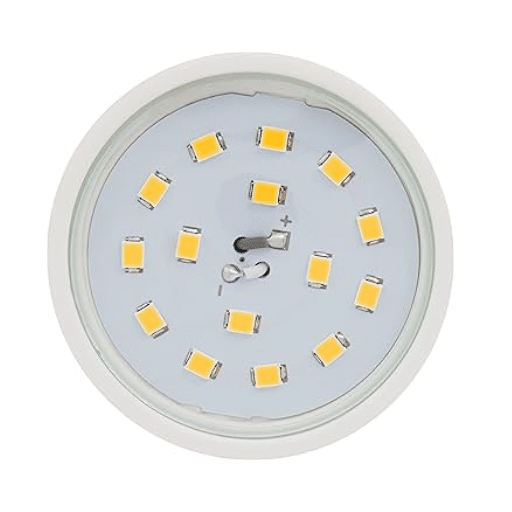
Explosion-proof lighting is often the most visible safety investment at a fueling facility. LED canopy lights, flood lights, and emergency fixtures must carry certifications matching the zone where they are installed. Modern LED explosion-proof fixtures offer significant advantages over legacy high-pressure sodium or fluorescent units: they consume up to 70% less energy, last 50,000+ hours, and generate less surface heat. Emergency lighting with battery backup ensures safe evacuation during power outages. For canopy installations, look for IP66 environmental sealing and IK10 impact resistance alongside explosion-proof ratings.
If you want to learn about the use of explosion-proof lighting in gas stations, please check out our article on Explosion-Proof Lighting.
Control and Electrical Infrastructure
Behind every safe forecourt is a network of certified electrical components. Junction boxes, control stations, distribution panels, and cable glands must all match the hazardous zone rating of their location. Explosion-proof junction boxes with Ex d or Ex e ratings provide protected termination points for power and signal cables. Cable glands seal the entries where wiring passes into enclosures, preventing vapor ingress. In Zone 1 locations, even a standard terminal block inside an uncertified housing creates a violation.
Safety and Monitoring Equipment
Modern gas stations integrate multiple layers of safety monitoring. Emergency stop stations with explosion-proof pushbuttons allow immediate shutdown of dispensers and pumps. CCTV cameras in certified housings provide surveillance without introducing ignition risks. Gas detection systems continuously monitor vapor concentrations and trigger alarms before explosive levels are reached. Fire alarm devices, including manual call points and sounders, must also carry hazardous location certification when installed in classified zones. If you want to understand Gas Detection Systems, please read our article about Gas Detection Systems.
Mechanical and Process Equipment
Fuel dispensers themselves are explosion-critical devices. The internal electronics, motors, and solenoid valves must be certified for the zone where the dispenser operates. Most retail dispensers are engineered with Ex d IIB T6 Gb ratings, meaning they use flameproof enclosures suitable for Zone 1 with gas group IIB and temperature class T6. Explosion-proof motors driving submersible pumps and solenoid valves controlling fuel flow paths are additional mechanical components requiring careful specification. When specifying process equipment, always verify that your certified fuel storage tanks and piping systems meet the same hazardous location standards as your dispensers.
Barrier and Structural Safety
Beyond electrical and mechanical equipment, physical barriers play a role in hazardous area safety. Explosion-proof barrier materials and safety mesh systems protect high-risk zones from external impacts that could damage certified equipment. At Shandong Shengrui Intelligent Equipment Co., Ltd., HAN Barrier explosion-proof technology and Class B1 fire-rated materials provide added safety margins for fuel facilities. These barriers integrate with canopy structures and skid-mounted station designs to create comprehensive protection. If you want to learn about the explosion-proof barriers, please check out our article on Explosion-Proof Barriers Materials.
When selecting process equipment, remember that overfill prevention devices are another critical safety layer that works alongside explosion-proof systems.
Need more information? You can check out our article on Explosion-Proof Fuel Dispensers.
Protection Methods Explained

Understanding protection methods helps buyers specify explosion-proof gas station equipment that matches both the hazard level and the operational demands of each zone. Each method uses a different engineering strategy to prevent ignition.
Ex d — Flameproof Enclosure
A flameproof enclosure is one of the most common protection methods for gas station equipment. An Ex d enclosure is designed to withstand the pressure of an internal explosion without damage. If ignition occurs inside, hot gases escape through engineered flame paths that cool them below the ignition temperature of the surrounding atmosphere. Heavy cast housings, precise machining, and strict gasket tolerances define this method. Ex d is suitable for Zone 1 and Zone 2 applications.
Ex e — Increased Safety
Increased safety equipment prevents arcs, sparks, and excessive temperatures under normal operating conditions. Rather than containing an explosion, Ex e aims to eliminate the possibility of ignition through enhanced construction quality, insulation, and terminal spacing. Terminal boxes, control stations, and lighting fixtures often use Ex e protection. This method is restricted to Zone 1 and Zone 2 where explosive atmospheres are not continuously present.
Ex i — Intrinsic Safety
Intrinsic safety limits electrical energy within a circuit to levels below those required to ignite a hazardous atmosphere. Ex i systems use barriers, isolators, and low-energy designs that make sparks thermally incapable of causing ignition. Because it addresses the energy source itself rather than the enclosure, Ex i is the only protection method generally accepted for Zone 0. Gas detectors, instrumentation, and low-power control circuits commonly employ intrinsic safety.
Ex p — Pressurized
Pressurized protection maintains a positive pressure of clean air or inert gas inside an enclosure, preventing flammable atmospheres from entering. Ex p is often used for analyzers, large control cabinets, and equipment that would be impractical to build as heavy flameproof enclosures. This method requires a reliable air supply and pressure monitoring, making it more complex but highly effective for specialized applications in Zone 1 and Zone 2.
Ex n — Non-Sparking
Non-sparking equipment is designed with no arcs, sparks, or hot surfaces capable of ignition during normal operation. Ex n is the simplest and most economical protection method, but it is restricted to Zone 2 only. Standard industrial switches, sensors, and motors can sometimes qualify for Ex n if they meet the construction requirements. It must never be used in Zone 1 or Zone 0.
Need to know the difference between Intrinsic Safety and Explosion-Proof? Please read our article about Intrinsic Safety vs Explosion-Proof.
Protection Method vs. Zone Suitability
| Protection Method | Principle | Suitable Zones | Common Applications |
|---|---|---|---|
| Ex d (Flameproof) | Contains and cools internal explosion | Zone 1, Zone 2 | Motors, junction boxes, dispensers |
| Ex e (Increased Safety) | Prevents sparks and excess heat | Zone 1, Zone 2 | Terminal boxes, lighting, control stations |
| Ex i (Intrinsic Safety) | Limits energy below ignition threshold | Zone 0, Zone 1, Zone 2 | Gas detectors, instrumentation, sensors |
| Ex p (Pressurized) | Maintains positive pressure | Zone 1, Zone 2 | Analyzers, large control cabinets |
| Ex n (Non-Sparking) | No ignition-capable parts in normal operation | Zone 2 only | Switches, standard motors in low-risk areas |
Global Certifications and Standards
Explosion-proof gas station equipment must carry certifications recognized by the regulatory authorities in your target market. The four major certification frameworks are ATEX for Europe, IECEx for international markets, UL and NEC for North America, and GB/T 3836 for China.
ATEX (European Union)
ATEX Directive 2014/34/EU governs equipment intended for use in potentially explosive atmospheres within the European Union. ATEX certification involves rigorous testing by notified bodies to verify compliance with EN 60079 standards. Equipment carries the Ex mark alongside category symbols (1, 2, or 3) and equipment group codes. For gas stations, Group II equipment applies, with subgroups IIA, IIB, and IIC indicating the severity of gases the device can safely handle.
IECEx (International)
The IECEx scheme provides international certification based on IEC 60079 standards, offering a harmonized approach accepted in over 30 countries. An IECEx certificate of conformity indicates that equipment has been tested to uniform global standards, simplifying export and multi-market compliance. For buyers operating across regions, IECEx-certified equipment reduces the need for duplicate testing and documentation.
North America (UL, NEC, OSHA)
In the United States and Canada, explosion-proof equipment is listed by organizations such as UL (Underwriters Laboratories) and certified under NEC Articles 500-505. OSHA 29 CFR 1910.307 mandates that electrical installations in hazardous locations meet these codes and be designed under the supervision of a registered professional engineer. UL 844 specifically covers lighting for hazardous locations, while UL 1203 addresses explosion-proof electrical equipment. North American classifications use Class, Division, and Group designations rather than the Zone-based markings common in Europe.
China (GB/T 3836, CNEx/NEPSI, GB 46031-2025, GB 12710-2024)
China maintains its own robust explosion-proof standards through the GB/T 3836 series, which aligns closely with IEC 60079 but includes domestic modifications. CNEx and NEPSI are the primary certification bodies for the Chinese market. Recent regulatory updates include GB 46031-2025, which introduces explosion-proof technical specifications for combustible dust process systems effective February 1, 2026, and GB 12710-2024, updating coking safety regulations effective July 1, 2025. For manufacturers exporting from China, understanding both GB/T 3836 and target market certifications is essential.
If you need to understand NFPA 30A Compliance, please read our article about NFPA 30A Compliance.
How to Read an Explosion-Proof Label
Decoding an explosion-proof marking is a critical skill for buyers and inspectors. Consider a typical label: Ex db IIC T6 Gb.
- Ex: Certified for explosive atmospheres
- db: Protection method — flameproof enclosure (d) with high protection level (b)
- IIC: Gas group — suitable for hydrogen and acetylene (most stringent)
- T6: Temperature class — maximum surface temperature below 85°C
- Gb: Equipment Protection Level — suitable for Zone 1
A label reading Ex e IIB T5 Gc would indicate increased safety (e), gas group IIB (suitable for ethylene and gasoline vapors), temperature class T5 (maximum 100°C), and EPL Gc for Zone 2. Always verify that every element of the label matches your hazardous area classification.
How to Select Explosion-Proof Equipment

Selecting the right explosion-proof gas station equipment requires a systematic approach. Follow these six steps to ensure compliance, safety, and long-term reliability.
Step 1: Identify the Hazard Zone
Map your station using Zone 0, Zone 1, and Zone 2 boundaries. Consult NFPA 30A or IEC 60079-10-1 for guidance on classification distances around tanks, dispensers, and vents. When in doubt, classify conservatively. Zone 2 equipment must never be installed in Zone 1.
Step 2: Match the Gas Group
Determine which gas group applies to your fuel types. Gasoline and diesel vapors typically fall under Group IIB. If your facility handles hydrogen, compressed natural gas, or plans for hydrogen refueling, you need Group IIC-rated equipment, which covers all gas groups.
Step 3: Select the Temperature Class
Choose the most restrictive temperature class practical. T6-rated equipment maintains surface temperatures below 85°C, providing a substantial safety margin against gasoline auto-ignition at approximately 280°C. T6 is the preferred standard for fuel dispensing environments.
Step 4: Verify Environmental Ratings
Beyond explosion protection, confirm IP and IK ratings. IP66 ensures dust-tight construction and protection against powerful water jets. IK10 indicates resistance to 20-joule impacts. These ratings protect equipment from weather, wash-downs, and physical damage.
Step 5: Confirm Certifications for Your Market
Ensure equipment carries certifications recognized by your local regulatory authorities. ATEX for Europe, IECEx for international markets, UL for North America, and CNEx/NEPSI for China. Multi-certified equipment simplifies exports and future expansion.
Step 6: Plan for Maintenance and Lifecycle
Budget for flame-path maintenance, gasket replacement, and periodic inspection. Explosion-proof equipment is not install-and-forget. Proper documentation of inspections and maintenance intervals supports compliance and insurance requirements.
If you need to know about fire prevention measures at gas stations, please read our article on Fire Suppression & Emergency Shut-Off.
Cost Overview and ROI
Budgeting for explosion-proof gas station equipment requires balancing upfront investment against compliance risk, energy savings, and lifecycle maintenance. The cost of non-compliance is far higher than the price of certified equipment. Understanding realistic price ranges helps buyers budget accurately and evaluate return on investment.
Individual component pricing varies by certification, zone rating, and manufacturer. LED explosion-proof canopy fixtures typically range from 200 to 800 per unit depending on wattage and certification level. Explosion-proof CCTV cameras with hazardous location housings cost between 400 and 1,500. Certified fuel dispensers with Ex d IIB T6 Gb ratings range from 3,000 to 8,000 per unit, depending on flow capacity, payment integration, and nozzle configuration.
For complete systems, mobile and skid-mounted stations with integrated explosion-proof components typically cost between 7,500 and 35,000. Turnkey fixed stations with full electrical, lighting, dispenser, and safety systems range from 140,000 to 830,000, depending on capacity, number of fueling points, and regional certification requirements.
ROI comes from multiple sources. LED explosion-proof lighting reduces energy costs by up to 70% compared to legacy HPS or fluorescent systems. Properly certified equipment passes inspections the first time, avoiding costly rework and operational shutdowns. Additionally, compliant stations benefit from lower insurance premiums and reduced liability exposure.
In 2023, a station operator in Southeast Asia upgraded four canopy islands from aging fluorescent fixtures to ATEX-certified LED explosion-proof lighting. The project cost $4,200 in fixtures and installation. Annual energy savings reached $2,800, delivering full payback in 18 months. More importantly, the station passed its first safety inspection in five years without a single violation.
2025-2026 Trends and Future Considerations
The explosion-proof equipment market is evolving rapidly. Valued at approximately $8.64 billion globally in 2025, the market is projected to reach $13.52 billion by 2033 at a 5.8% CAGR according to Grand View Research. The oil and gas segment accounts for roughly 29.2% of total revenue. In the United States alone, intelligent explosion-proof equipment is expected to grow from $2.5 billion in 2024 to $4.5 billion by 2033.
Several trends are reshaping buyer decisions in 2025 and 2026:
LED adoption is now the default. High-pressure sodium and fluorescent fixtures are rapidly disappearing from new gas station designs. LED explosion-proof lighting dominates due to energy efficiency, longevity, and reduced maintenance.
Hydrogen refueling is creating new equipment demands. As hydrogen infrastructure expands, stations must accommodate Group IIC-rated equipment capable of handling hydrogen’s broader explosive range. Standards such as NFPA 2 and ISO 19880 are establishing requirements for hydrogen dispensing areas. Stations planning dual-fuel capability should specify IIC-rated equipment from the start.
IoT-integrated safety monitoring is becoming standard. Emerson and Appleton launched explosion-proof control systems with enhanced IIoT integration in December 2025. Honeywell introduced next-generation intrinsically safe wireless gas detection with cloud-based analytics in October 2025. These systems enable predictive maintenance and real-time safety monitoring in previously inaccessible hazardous zones.
Chinese regulatory updates are raising the bar. GB 46031-2025, effective February 1, 2026, introduces stricter explosion-proof technical specifications for combustible dust systems. GB 12710-2024, already in effect since July 1, 2025, updates coking safety regulations. Buyers sourcing from Chinese manufacturers should verify compliance with these updated standards.
Siemens expanded its explosion-proof motor portfolio in January 2026 with IE4-rated motors compliant with ATEX and IECEx. Higher motor efficiency ratings reduce operating costs while maintaining hazardous location safety.
In early 2024, an energy developer in Europe faced a decision: add hydrogen refueling to an existing gasoline station or build a separate facility. The existing dispensers were rated IIB, insufficient for hydrogen. A full equipment replacement would cost $180,000. Instead, the developer chose a phased approach, installing IIC-rated dispensers and barrier systems during a scheduled canopy renovation. The integrated approach saved $45,000 compared to separate construction projects and positioned the station for future hydrogen demand.
If you need to understand hydrogen refueling, please read our article about Hydrogen Refueling Safety.
Maintenance and Inspection Lifecycle

Even the best explosion-proof gas station equipment requires disciplined maintenance to retain its safety integrity over time. Over time, gasket materials degrade, flame paths corrode, and enclosures accumulate damage that compromises protection. If you need to learn about explosion proof equipment maintenance, please read our article on Explosion Proof Equipment Maintenance & Inspection.
Flame-path maintenance is essential for Ex d enclosures. The machined surfaces that cool escaping gases must remain clean and free from paint, corrosion, or deformation. Inspect flame paths during every scheduled maintenance cycle and re-machine or replace components that no longer meet manufacturer tolerances.
Gasket replacement follows manufacturer schedules, typically every 2-5 years, depending on environmental exposure. UV radiation, temperature cycling, and chemical exposure accelerate gasket aging. Always use OEM-specified replacement gaskets; generic substitutes may not provide the required vapor seal.
Inspection intervals vary by jurisdiction but generally require annual visual inspections and detailed examinations every 3-4 years. Document all inspections, findings, and corrective actions. Regulatory bodies and insurers increasingly demand maintenance records as evidence of ongoing compliance.
Retrofit cycles should align with equipment end-of-life planning. LED lighting modules may last 10 years, while dispenser electronics often require refurbishment after 7-10 years. Plan capital budgets to replace aging explosion-proof equipment before failures create safety or compliance risks.
If you need to use explosion-proof electrical enclosures, please read our article about Explosion Proof Electrical Enclosures.
Frequently Asked Questions
What is explosion proof gas station equipment?
Explosion-proof gas station equipment is certified electrical and mechanical equipment designed to operate safely in hazardous areas where flammable fuel vapors may be present. It uses containment, energy limitation, or pressurization to prevent ignition of the surrounding atmosphere.
How is gas station electrical equipment certified safe?
Equipment undergoes testing by accredited bodies such as UL, ATEX-notified organizations, or IECEx certification labs. Tests verify enclosure strength, flame-path effectiveness, surface temperature limits, and resistance to environmental conditions.
What equipment does a gas station need for explosion protection?
Essential equipment includes explosion-proof lighting, junction boxes and control stations, certified fuel dispensers, gas detection systems, emergency stop stations, and appropriate cable glands and seals.
What is the difference between Zone 1 and Zone 2?
Zone 1 covers areas where explosive atmospheres are likely during normal operation, such as dispenser islands. Zone 2 covers areas where explosive atmospheres are unlikely and short-lived if they occur, such as general forecourt areas. Equipment rated for Zone 2 cannot be used in Zone 1.
Conclusion
Explosion-proof gas station equipment is not an optional upgrade. It is a fundamental requirement for any facility that stores, dispenses, or handles flammable fuels. From the containment engineering inside an Ex d enclosure to the precise zone boundaries around your dispenser islands, every decision in the selection process affects safety, compliance, and long-term operating costs.
Here are the five key takeaways to remember:
- Classify first: Map your Zone 0, Zone 1, and Zone 2 areas before selecting any equipment.
- Match ratings exactly: Gas group, temperature class, and protection method must align with your hazardous area classification.
- Verify certifications: ATEX, IECEx, UL, or CNEx/NEPSI certifications must be valid and recognized in your operating region.
- Plan for the full lifecycle: Budget for maintenance, gasket replacement, and eventual retrofit.
- Think ahead: Hydrogen readiness, IoT integration, and LED efficiency are shaping the next decade of fuel station safety.
Choosing the right explosion-proof gas station equipment protects your investment, your customers, and your community. If you are planning a new station or upgrading an existing facility, contact Shandong Shengrui Intelligent Equipment Co., Ltd. for a customized assessment. Our engineering team designs, certifies, and exports complete explosion-proof gas station systems tailored to your zone requirements and market standards.