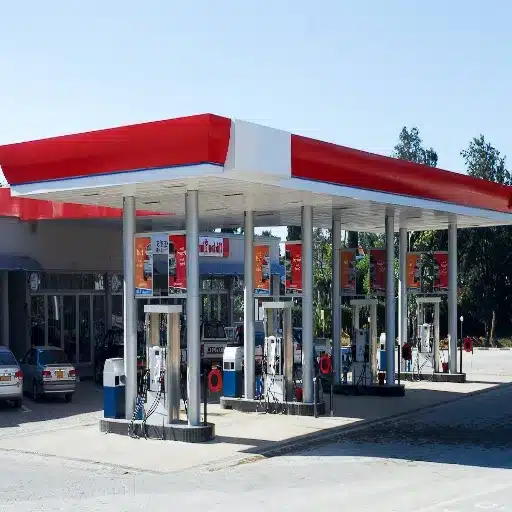
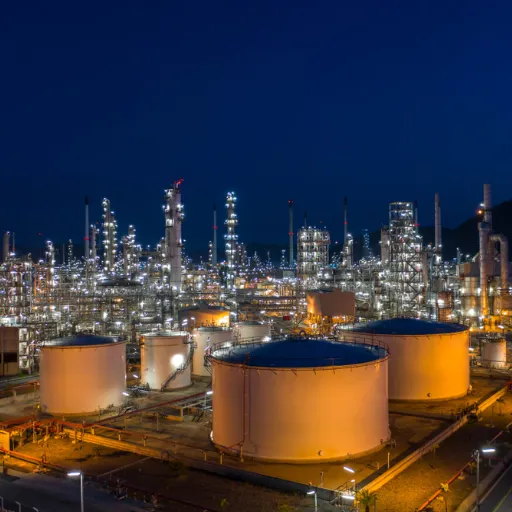
A mining engineer, a fleet manager, and a generator integrator walk into the same search: “explosion-proof diesel storage tank.” They get the same results, and they need different answers. That’s because diesel isn’t gasoline, and the honest first question isn’t “which tank do I buy?” It’s “does my site actually need an explosion-proof diesel tank at all?”
Here’s the short version: diesel is a combustible liquid, not a flammable one, so a plain, code-compliant aboveground tank is often perfectly legal and safe. Explosion-suppression storage earns its place where the risk profile changes: a mine site, a generator plant that can’t keep its distance, a heated or low-flash fuel, a containerized station, or a regulator who demands more margin. Sellers rarely explain that boundary. Instead, marketplaces blur it: you’ll see double-wall containment tanks marketed with the words “explosion-proof” bolted on. This guide clears up the confusion.
By the end, you’ll know what “explosion-proof” actually means for a diesel tank, which standards govern it in your region, how it’s engineered for diesel’s real quirks, and where it’s worth the investment.
For comprehensive information, please read our article on explosion-proof tanks.
Diesel’s Hazard Profile: Why “Explosion-Proof” Is Different for Diesel

To understand when diesel needs explosion protection, you first need to know why it usually doesn’t. The rule that unlocks everything: liquid fuel doesn’t explode; vapor does. A fuel is only a fire or explosion hazard once it produces enough vapor to form an ignitable mixture with air.
The temperature at which a liquid gives off ignitable vapor is its flash point. It’s the single most important spec on a diesel tank project.
Conventional #2 diesel has a flash point around 52 °C (125 °F) minimum by ASTM D975. Compare that with gasoline, which flashes far below freezing, and you see the gap. Codes classify liquids by flash point. Under NFPA 30, the benchmark North American code for flammable and combustible liquids, anything flashing at or above 37.8 °C (100 °F) is a combustible liquid, not a flammable one. Diesel usually lands in Class II combustible (flash at or above 100 °F and below 140 °F).
So at ordinary ambient temperature, a diesel tank’s vapor space sits below its flash point. There simply isn’t enough vapor in the air to ignite. This is why a standard, properly vented aboveground diesel tank is accepted by fire codes across most of the world without any “explosion-proof” rating.
The hazard window opens when that changes. Diesel behaves like a much hotter fuel when:
- The tank is heated: winterization, hot return lines, or a warmed day tank can push fuel toward its flash point, and a hot diesel tank can hold an ignitable vapor space on a warm day.
- The fuel is contaminated or low-flash: gasoline, ethanol-blended “e-diesel” (which can flash near 20 °C), or degraded fuel drops the flash point into flammable territory. One bad delivery changes the whole risk profile.
- The tank is exposed to fire: external fire impingement heats the vessel and can drive a boiling-liquid expanding-vapor explosion (BLEVE) or a violent rupture, regardless of the fuel’s normal flash point.
- Atomized or misted diesel meets an ignition source: a high-pressure leak can ignite even though pooled diesel won’t.
That’s the honest physics. For a full walkthrough of why tanks explode and how internal suppression stops it, see our guide on how explosion-proof (barrier) fuel tanks work.
Do Diesel Storage Tanks Need to Be Explosion-Proof?
Not always. If you’re storing conventional diesel in a properly spaced, code-compliant aboveground tank at ambient temperature, a standard vented tank, built to UL 142 or the equivalent regional standard, meets most fire codes as-is. An explosion-suppression tank would be over-engineering for that site.
Suppression storage becomes the right call when one or more of these is true:
- You can’t meet setback distances. The tank must sit closer to a building, property line, or ignition source than the code’s spacing table allows. Fire-rated and barrier-protected builds exist precisely to earn approval where standard spacing fails.
- The site is high-risk by nature. Mining and tunneling with flammable strata gases, defense and rapid-deploy sites, or locations near people and assets where a worst-case isn’t acceptable.
- The fuel can be heated or low-flash. Generator day tanks, heated service, or biodiesel/contamination risk pushes diesel toward its flash point and widens the hazard window.
- It’s part of a containerized or skid-mounted station. A certified modular station often needs one engineered footprint that carries its own explosion-protection story.
- Your insurer, fire marshal, or owner’s risk policy demands extra margin. In practice, this drives many purchases. As one installer community puts it: “The AHJ asked for it, so we bought the explosion-proof one.”
Equally important is when you don’t need it. A barrier fill does not manage leaks, so it never replaces a double-wall or self-bunded tank where environmental containment is the requirement. Those are two different safety jobs: leak containment versus internal explosion suppression, and buyers routinely conflate them because sellers do. Our side-by-side guide on explosion-proof tank vs. double-wall tank unpacks that decision in full.
Explosion-Proof Diesel Tank Standards by Region

“Explosion-proof diesel tank” isn’t one product certified once. It’s a storage vessel plus rated appurtenances, and the governing standard is set by your destination market. Here’s the map.
| Region / scope | Storage-tank standards | Fire, explosion & appurtenance standards | Notes for diesel |
|---|---|---|---|
| United States (aboveground) | UL 142 (steel AST); UL 2085 (fire-rated AST); API 650 for large field-erected tanks | NFPA 30 (storage & spacing), NFPA 30A (motor-fuel dispensing), NFPA 37 (stationary engines), NFPA 110 (generator/EPSS), API 2000 (venting), UL 525 (flame arresters) | Diesel = Class II combustible → spacing per NFPA 30 tables; UL 2085 fire-rated builds allow reduced setbacks |
| United States (underground) | UL 58 / UL 1746 | EPA 40 CFR Part 280 (secondary containment), NFPA 30/30A | Double-wall with interstitial leak detection is the compliance default |
| US underground coal mining | Tanks per 30 CFR Part 75, Subpart T (MSHA) | § 75.1900–75.1907: emergency vents ≤2.5 psi; 150% spill containment (permanent facilities); ≥100 ft from shafts/shops/explosives | Stationary permanent storage ≤1,000 gal; transport units ≤500 gal; diesel flash ≥100 °F; sulfur ≤0.05% |
| Europe | EN 12285 (workshop-built steel); national codes (e.g., DE AwSV, DIN 6623-2 for self-sealing/self-bunded tanks) | ATEX 2014/34/EU (Ex-rated appurtenances), EN ISO 16852 (flame arresters) | Self-bunded double-wall is common; correct zone classification of pumps/gauges |
| Australia / New Zealand | AS 1692 (steel tanks); AS 4897 (underground) | AS 1940 (storage & handling of flammable & combustible liquids) | Diesel typically Class C1 under AS 1940; separation distances apply |
| China (export projects) | GB 50156 (station siting & design); SH/T 3178 (SF tanks) | AQ/T 3001-2021; AQ/T 3002-2021 (barrier skid-mounted refueling units) | AQ 3001/3002 were re-issued in 2021 as recommended standards |
One nuance matters for anyone sourcing from China, because it affects expectations. The barrier-tank standards (AQ/T 3001-2021 for tanks, AQ/T 3002-2021 for skid-mounted units) replaced mandatory 2005 versions as recommended standards. An older regulatory pathway that let existing urban stations use barrier retrofits to satisfy reduced fire-safety distances was repealed when GB 50156 was revised. For new stations, GB 50156 setback distances apply directly. A barrier tank is a genuine safety enhancement, but it is not a guaranteed shortcut to smaller setbacks; any supplier who promises that is overstating.
There’s also a certification split worth knowing: the vessel (tank shell, welding, fire rating) is certified separately from the appurtenances (the pump, gauge, and control equipment that must be rated for the area they sit in). We explain the ATEX-versus-IECEx-versus-UL relationship in our certification guide.
For standard information, please read our explosion-proof fuel tank certifications and standards guide.
Designing an Explosion-Proof Diesel Storage Tank

When suppression storage is warranted, “explosion-proof” for a storage vessel means one of two engineering approaches, sometimes both:
- Internal-suppression (barrier) fill. A metal honeycomb or mesh (HAN Barrier and aluminum-alloy honeycomb are the common forms) packs the vapor space and breaks it into thousands of tiny cells. The material acts as a heat sink, quenches the flame front, and smothers the pressure wave before it can build: passive, always-on protection. Capacity loss is small but real; responsible suppliers disclose it rather than claiming it’s zero.
- Fire-rated construction (UL 2085). Where the driver is external fire exposure and reduced setbacks aboveground, a fire-rated AST uses an insulated interstitial space to earn a two-hour pool-fire rating. This is a different mechanism from internal suppression, and the two can be combined.
Then comes the part that separates a real design from a catalog listing: diesel has quirks that change the details.
Materials and biodiesel. Standard carbon steel with a proper coating, or stainless steel, both handle conventional diesel. But biodiesel (B5–B20 and higher) is more aggressive: it degrades some seals, gaskets, and coatings, and it’s hygroscopic, pulling in water. If you’ll run biodiesel, confirm every wetted material, including any barrier fill, is compatible. Our stainless steel diesel storage tanks guide covers material selection in depth.
Water and the “diesel bug.” Water in diesel grows microbial slime that plugs filters and corrodes tanks. A barrier fill occupies the ullage, so it can trap or hide water more easily than an open tank. A correctly engineered barrier tank includes a low-point water drain and sampling access so operators can still find and remove water. If a supplier’s barrier design has no practical way to drain water, walk away.
Heated and winterized service. Any heating that can bring fuel near its flash point widens the vapor-space hazard. That means correctly sized pressure/vacuum and flame-arrester venting matters more for a heated diesel tank, not less, and you should re-check the electrical area classification around it.
Static and transfer. Diesel moving fast through filters and pipes builds static charge just like any fuel. Bonding and grounding are mandatory regardless of flash point. Where diesel can be at or above its flash point, transfer and dispensing pumps should be Ex-rated (Ex d), and level gauging intrinsically safe (Ex ia).
Sizing. Size from real demand: daily consumption × days of autonomy, plus a buffer for delivery logistics, not from “the biggest tank available.” Aboveground barrier tanks commonly run 5–50 m³; smaller component and day tanks cover generator duty; elevated diesel tank lines for rigs and oil-field use run up to ~100 m³. For a detailed cost breakdown, see our explosion-proof fuel tank cost and sizing guide.
For a step-by-step maintenance procedure, please read our explosion-proof tank maintenance and inspection checklist.
For the mechanism, materials, and honest limits of barrier technology, see our HAN Barrier explosion-proof technology guide and the explosion-proof barrier tank product range.
Applications: Where Explosion-Proof Diesel Tanks Earn Their Place
Each application below follows the same logic: the site, the compliance driver, and the build that fits.
Mining and tunneling. Underground coal mines in the US cap stationary diesel storage at 1,000 gallons per permanent facility, with 500-gallon transport units and stringent venting and containment rules under 30 CFR Part 75. Operators moving fuel around active pits, tunnels, or methane-bearing strata value barrier protection and skid-mounted stations because a worst-case simply isn’t acceptable near people underground. A surface mine depot typically centralizes refueling with a self-bunded or barrier-protected tank. One operator’s example: swapping scattered single-wall drums for a barrier tank with a submersible transfer pump at a pit-side point cut spill risk and gave the safety team one documented, inspectable inventory point.
Fleet depots and transport hubs. Aboveground diesel storage near vehicles and workshops runs into setback limits constantly. A self-bunded double-wall tank with barrier fill or a fire-rated build lets a depot keep its fuel close to where the trucks are, instead of shoving it to the far corner of the yard.
Generator and critical backup. Data centers, telecom, hospitals, and industrial plants keep bulk diesel plus a day tank feeding an emergency generator, governed in North America by NFPA 110. Space is always tight next to the plant, so a barrier-filled or fire-rated tank that satisfies the fire marshal at a short distance is often the only workable answer.
Drilling rigs and oil-field operations. Rig sites store diesel for generator sets and oil-fired boilers, often in elevated tanks (gravity-feed designs commonly span ~5–100 m³). Remote exposure, mixed hazards, and site power equipment make robust, protective storage and correctly rated appurtenances standard practice.
Containerized and skid-mounted stations. The barrier tank often becomes the core of a certified ISO-container or skid-mounted fuel station, giving the whole module one explosion-protection story for transport and site approval. Our skid-mounted diesel fuel station guide shows how these are packaged, and multi-compartment and component tank options fit compact footprints.
Dense-urban and defense/disaster-relief. Sites that can’t meet standard fire-safety distances, plus rapid-deploy mobile fueling for defense and relief operations, are the classic home for barrier and fire-rated diesel storage.
The pattern repeats. Where diesel must sit near people, assets, or ignition sources, or where regulators set a higher bar, suppression storage earns its cost.
For a detailed comparison, please read our article on aboveground vs. underground explosion-proof fuel tanks.
Mandatory Safety Accessories for a Diesel Barrier-Tank Install

A barrier tank is a powerful layer, never a license to skip the rest of the system. A compliant diesel install pairs the tank with:
- Flame arresters and pressure/vacuum (P/V) vents, correctly sized for the fuel and its flash point, per API 2000 and EN ISO 16852.
- Emergency relief venting, sized for fire exposure so the tank can’t overpressure, and, underground in US coal mines, opening at no more than 2.5 psi.
- Overfill protection, level alarm at 90% and automatic shutoff at 98% for larger aboveground tanks under NFPA 30.
- Ex-rated appurtenances where the area demands them, Ex d pumps, intrinsically safe (Ex ia) level gauges and automatic tank gauging, and Ex-rated monitoring where fuel can reach its flash point.
- Static grounding and bonding on the tank, piping, and fill points.
- Spill containment and leak detection, a secondary-containment build (double-wall or self-bunded) plus interstitial leak monitoring, because suppression handles explosions, not leaks.
Some accessories are necessary during use, you can read our article on explosion-proof tank safety accessories. We cover spill containment systems and overfill prevention devices in dedicated guides. And for systemic considerations, please read our article on explosion-proof tanks for skid and container fuel stations.
Frequently Asked Questions
Do diesel storage tanks need to be explosion-proof?
Not automatically. Conventional diesel is a combustible (Class II) liquid, so a code-compliant, properly vented aboveground tank often meets fire codes without explosion-proofing. Explosion-suppression storage is warranted when you can’t meet setback distances, the site is high-risk (mining, defense), the fuel can be heated or low-flash, or an AHJ or insurer requires extra margin.
Is a diesel fuel tank explosion-proof by itself?
No. A standard tank is a pressure-rated container, not a suppression device. Without a barrier fill or a fire-rated build, nothing inside stops a vapor-space ignition from building pressure if the fuel ever reaches its flash point.
What is the flash point of diesel, and why does it matter?
Conventional #2 diesel flashes at about 52 °C minimum under ASTM D975. Below that temperature, the fuel gives off too little vapor to ignite, which is why diesel is classified as combustible, not flammable. The number matters because heating, contamination, or low-flash blends can open the hazard window.
What standards apply to aboveground diesel storage tanks?
UL 142 for steel aboveground tanks and NFPA 30 for storage and spacing in North America; NFPA 110 governs generator day tanks. Europe uses EN 12285 plus ATEX for appurtenances, Australia uses AS 1940/AS 1692, and China-export projects follow GB 50156 with AQ/T 3001-2021 for barrier tanks.
How much diesel can be stored underground in a US coal mine?
Stationary tanks in a permanent underground diesel storage facility are limited to 1,000 gallons total under 30 CFR Part 75, Subpart T. Fuel transport units are capped at 500 gallons, and safety cans at 5 gallons. Permanent facilities need 150% spill containment and emergency vents opening at no more than 2.5 psi.
Is biodiesel safe in an explosion-proof barrier tank?
Yes, with confirmation. Biodiesel is more aggressive than conventional diesel and pulls in water, so seals, gaskets, coatings, and the barrier fill must be verified for the specific blend you’ll run. Specify a low-point water drain so microbial growth (“diesel bug”) can still be managed.
Can a diesel tank explode?
Yes, under the right conditions, but diesel’s high flash point makes it much harder than gasoline. The risk rises when a diesel tank is heated above flash point, the fuel is contaminated with low-flash product, or the vessel is exposed to fire. Internal-suppression (barrier) fill mitigates the vapor-space explosion; fire-rated builds address external fire exposure.
What size explosion-proof diesel tank do I need?
Size from daily consumption times your required days of autonomy, plus a delivery buffer. Standard aboveground barrier tanks run 5–50 m³; smaller component and day tanks cover generator duty; elevated rig tanks range up to about 100 m³. Work backward from demand, not from the largest available tank.
Choose the Diesel Tank Your Site Actually Needs
Here’s what to carry forward:
- Know your fuel. Diesel is combustible, not flammable. Its high flash point is why a standard tank often suffices, and why heating, contamination, or fire exposure changes the answer.
- Let the site decide. Can’t meet setbacks, high-risk location, heated or low-flash service, containerized station, or an AHJ/insurer requirement → suppression storage earns its place. Otherwise, don’t over-spec.
- Match the standard to the region. UL 142/NFPA 30, MSHA 30 CFR Subpart T for mines, EN 12285/ATEX, AS 1940, or GB 50156 with AQ/T 3001-2021; verify with your local authority before ordering.
- Engineer for diesel’s quirks. Biodiesel compatibility, water drainage around barrier fill, heated-tank venting, and static control are design details, not afterthoughts.
- Build the full system. Barrier fill stops explosions; it doesn’t stop leaks. Pair it with flame arresters, vents, overfill protection, Ex-rated appurtenances, grounding, and containment.
The best diesel tank is the one matched to your site’s real risk profile. If you’re planning a mine, fleet, generator, or rig diesel installation and want help specifying it against the right standards, request a quote or spec consultation. Our engineers work through your compliance requirements and certify the build for your destination market. You can also browse the full fuel storage tank range and our complete guide to explosion-proof fuel storage tanks for more depth.